Ireland Follows Netherlands and Others as Powerful New Investment Hotspot Fueling Startup Growth Technology Innovation and Sustainable Business Expansion

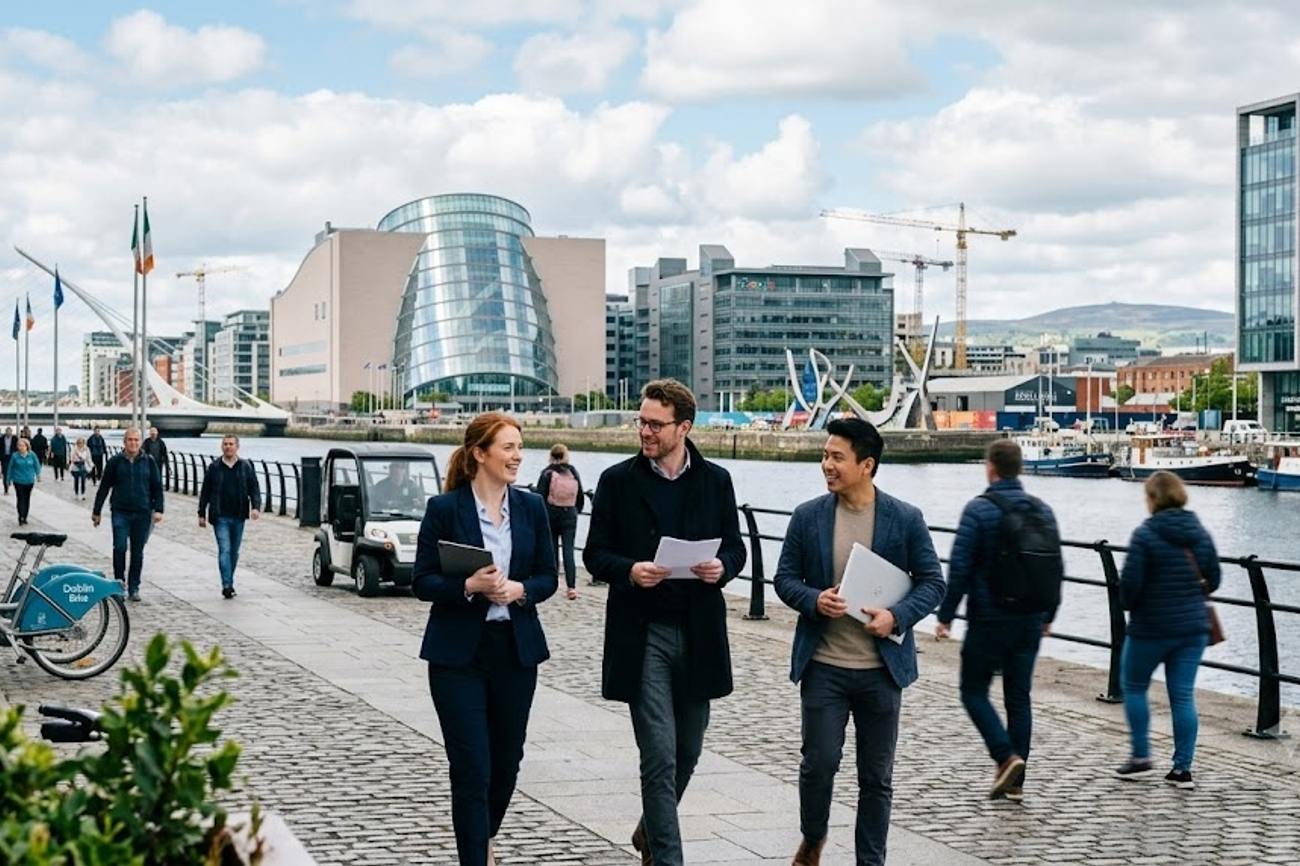
Image generated by AI
[Dublin, October 2023] — Ireland is launching a massive economic pivot through its 2026–2030 enterprise capital strategy, deploying billions of euros to transition from a hub for multinational corporations into a primary engine for AI-driven startups, sustainable enterprises, and boutique tourism.
The strategic shift aims to decentralize economic growth away from established tech giants in Dublin and toward regional innovation. By prioritizing digital transformation and "green" commercial advantages, the Irish government is actively courting independent founders and small-to-medium enterprises (SMEs) to fill critical gaps in the national infrastructure. The initiative focuses on the intersection of high technology and everyday commercial utility, specifically targeting the hospitality, construction, and manufacturing sectors.
The 2026–2030 Capital Strategy
The catalyst for this shift is the Ireland enterprise capital strategy for 2026–2030. This policy framework moves beyond the traditional "Foreign Direct Investment" model—which historically attracted pharmaceutical and financial titans—to focus on internal organic growth. The strategy allocates billions of euros toward expanding regional opportunities and upgrading tourism infrastructure to ensure that economic gains are distributed across the island rather than concentrated in urban centers.
Central to this plan is the concept of "commercial sustainability," where environmental upgrades are treated as financial assets. The government is incentivizing the creation of a support ecosystem where smaller firms provide the specialized tools—such as carbon reporting and energy monitoring—that larger companies need to meet tightening European Union regulations.
Sectors Undergoing Transformation
The strategy identifies three primary pillars where immediate investment and entrepreneurial entry are encouraged:
1. Artificial Intelligence Integration Rather than focusing on the development of foundational AI models, Ireland is targeting the "application layer." There is a systemic shortage of experts who can implement AI into traditional business workflows.
- High-Demand Services: Automated scheduling platforms, AI-driven customer service for SMEs, and data analytics for the retail sector.
- Industrial Focus: Specialized software for the construction and manufacturing industries.
- Workforce Development: Corporate AI training programs to bridge the skills gap in the existing labor force.
2. The Green Economy Sustainability is no longer viewed as a regulatory burden but as a competitive market advantage. The focus is on "practical environmentalism"—services that reduce overhead costs while lowering emissions.
- Consultancy: Energy efficiency auditing and smart monitoring systems.
- Infrastructure: Sustainable building retrofits and waste reduction logistics.
- Circular Economy: Repair, reuse businesses, and the development of biodegradable packaging.
- Compliance: Carbon measurement and reporting services to meet European Commission environmental standards.
3. Experience-Based Tourism The Irish tourism model is shifting from mass-market sightseeing to "high-value, low-impact" travel. The goal is to increase the length of visitor stays and push traffic toward regional destinations.
Ireland's emergence as a new investment hotspot is fueled by its highly skilled workforce, favorable business environment, and strategic location, making it an attractive destination for startups and entrepreneurs. For travelers planning to visit Ireland, Dublin Airport is a major hub, offering a wide range of flights and amenities. The airport's website provides valuable information on flight schedules, terminal information, and travel tips.
- Niche Offerings: Heritage-based food tours, rural cultural journeys, and local culinary programs.
- Active Travel: Specialized cycling and walking experiences.
- Logistics: New transport solutions designed to connect international arrivals with remote attractions.
- Premium Markets: High-end, personalized short-break packages targeting the luxury traveler.
Practical Traveler Advisory and Strategic Insights
For the average visitor or business traveler, this strategic shift will result in a tangible change in how Ireland is experienced on the ground. The push toward "authentic experiences" means a move away from the crowded "bus-tour" model toward fragmented, personalized itineraries.
Passenger and Visitor Impact:
- Regional Accessibility: Expect an increase in boutique transport options and "last-mile" connectivity between major airports and rural hubs.
- Digital Integration: Booking processes for local attractions and regional stays will become more streamlined as AI-powered scheduling tools are adopted by small operators.
- Sustainable Lodging: A surge in "green" certified accommodations and eco-friendly transport options as businesses chase sustainability grants.
- Diversified Itineraries: Travelers will find more structured opportunities for "slow travel," including extended stays in rural areas focused on culture and adventure rather than quick city hops.
Global Integration and Export Potential
Ireland is leveraging its position within the Eurozone to act as a springboard for digital exports. The government is encouraging the growth of "borderless" businesses—firms that are headquartered in Ireland but sell specialized software, online education, or creative consulting globally.
By aligning its tourism and tech strategies with those of other innovation hubs—specifically the Netherlands, Sweden, Singapore, and Spain—Ireland is attempting to create a synchronized network of experience-based tourism and digital agility. This allows a small Irish firm to scale rapidly by adapting its services to the cultural and payment preferences of international markets without the need for physical overseas offices.
To support this, the state is enhancing its network of government-backed programs and enterprise grants. Entrepreneurs are being urged to utilize these support structures to validate their business models, ensure legal compliance with Enterprise Ireland standards, and secure the funding necessary for regional expansion.
FAQ: Ireland Business & Tourism 2026
How will the 2026–2030 strategy affect tourist prices? While the focus is on "premium" and "personalized" experiences, the increase in regional competition and new boutique operators is expected to diversify price points, offering both high-end luxury and authentic, mid-range local options.
What are the best regions for new tourism investments? The strategy specifically targets "regional destinations" outside of Dublin. Areas focusing on heritage, outdoor adventure, and rural culture are seeing the highest priority for infrastructure upgrades and grants.
Can non-EU entrepreneurs benefit from these AI and Green initiatives? Ireland's focus on "global markets" and "cross-border partnerships" makes it an attractive hub for international founders, provided they align with the national goals of sustainability and digital transformation.
Will AI replace traditional hospitality jobs in Ireland? The strategy emphasizes AI as a "practical tool" for efficiency—such as automated booking and admin—rather than a replacement for the "authentic, human-centric" experiences that are the cornerstone of the new tourism model.
Ireland is betting that the future of growth lies not in the boardroom of a multinational, but in the agility of the local innovator.
Related Travel Guides
- Portugal Beats Finland and More as Lisbon Ranks No 1 Global Travel Destination for Happiness and Wellbeing
- Air India Unveils Vista Digital Platform To Transform Future Inflight Entertainment Experience
- Connecticut Launches 130-Spot Haunted History Trail Featuring Colonial Witch Trials and Ghost Stories
This article is for informational purposes. Flight routes, passenger regulations, visa rules, and transit advisories are subject to change by airlines and aviation authorities. Readers are advised to verify schedules and travel documentation with relevant carriers and border agencies before departure.
Related Stories
Ireland's Iarnród Éireann Announces €600 Million Rail Infrastructure Framework for 2026-2031

European Mass Protests Disrupt Travel Across France, Italy, Belgium, and Turkey in 2026