Iraq Open for Pilgrims: Najaf and Karbala Security Corridors Active in 2026

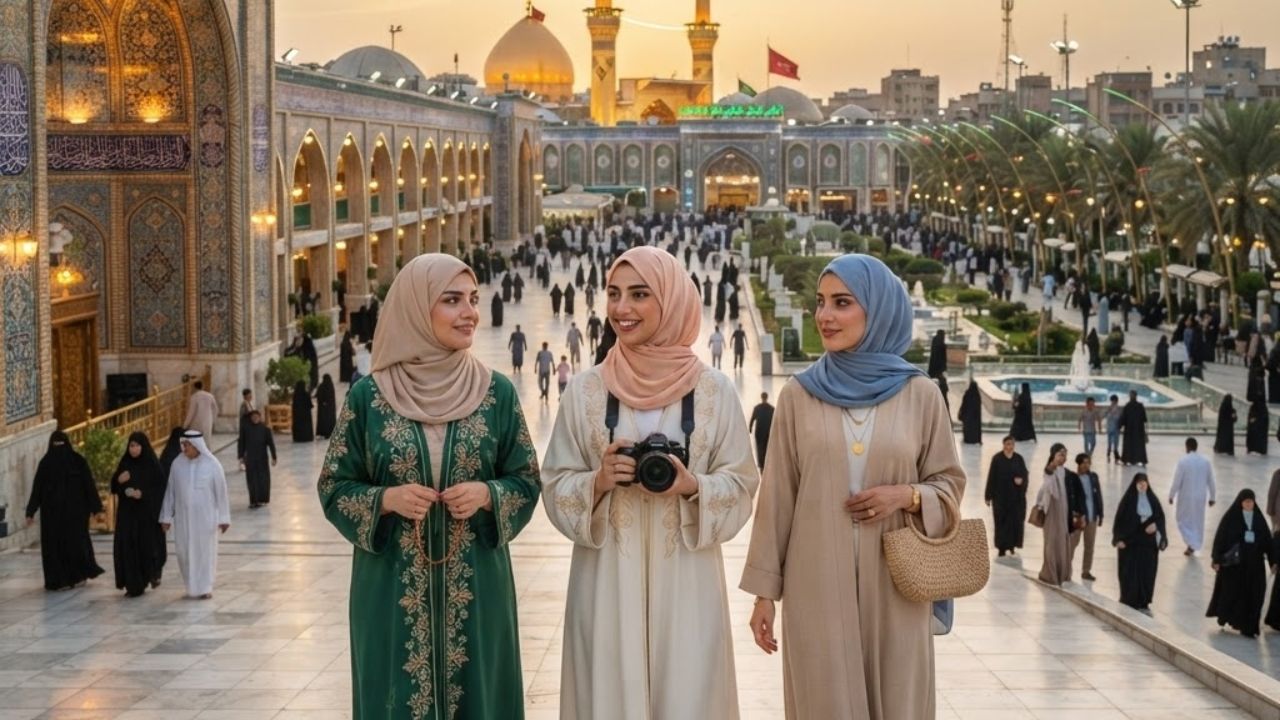
Image generated by AI
Iraq is keeping its sacred shrine cities of Najaf and Karbala open for organized pilgrimages under regulated security corridors designed to protect millions of visiting worshippers.
Despite regional security challenges, Iraq religious tourism remains open for organized tour groups visiting Najaf and Karbala. Authorities continue to maintain regulated security corridors to ensure safe passage for millions of annual pilgrims.
The program involves coordinated deployments of police, military, and municipal officers. These assets protect designated corridors connecting major transit ports with shrine sites. While general travel advisories remain active, organized tours proceed under managed security protocols.
Najaf and Karbala host several of the most important shrines in Shia Islam:
- Imam Ali Shrine (Najaf): A major global pilgrimage destination.
- Imam Hussein & Al-Abbas Shrines (Karbala): Welcoming millions of annual worshippers.
- Arbaeen Gathering: One of the world's largest annual pilgrimages, concentrated in Karbala.
- Ashura & Ramadan: Peak commemorative seasons requiring extensive transport and emergency planning.
Organized travel agencies are required to coordinate pilgrim manifests with national security departments. The local economy in Najaf and Karbala remains highly dependent on hotel stays and market trade supported by these visitor inflows.
Passenger Rights & Advisory (Information Gain)
For the affected passenger flying to Najaf or Baghdad for pilgrimage rituals:
- DOT Cancellation Rules: Under US DOT guidelines, if a carrier cancels a scheduled flight to Iraq, passengers can claim a full refund.
- EU261 Duty of Care: For pilgrims transiting European hubs (like Vienna or Istanbul), EU261 rules apply. Airlines must provide meals and lodging during delays.
- Government Closures: If airports close due to security warnings, carriers are exempt from cash compensation. However, rebooking must be provided at no extra cost.
- Policy Recommendation: Our analysis of the policy suggests that travelers should only book through licensed travel operators to guarantee access to the regulated security corridors.
Industry Analyst View
Our analysis of the route map suggests that pilgrim arrivals will strain regional airport infrastructure during Arbaeen. From a logistical perspective, this means travelers must prepare for long document queues at Najaf International Airport. Coordinated security corridors are vital to maintaining local tourism revenues and safeguarding travelers within a volatile region.
Iraq Religious Tourism Security & Pilgrimage Matrix (2026)
| Target Holy City | Principal Shrines & Landmarks | Managed Security Corridor Features | Peak Pilgrimage Events |
|---|---|---|---|
| Najaf | Imam Ali Shrine | Coordinated police patrols from airport to shrine gates | Ashura, Ramadan, anniversaries |
| Karbala | Imam Hussein Shrine, Al-Abbas Shrine | Regulated transit routes; military checkpoints | Arbaeen (world's largest annual gathering) |
| Transit Ports | Najaf Airport (NJF), Baghdad Airport (BGW) | Enhanced document audits; pilgrim group verification | All major Shia Islamic calendar milestones |
| EU261 Protection | Valid for European transit flights | Obligates carriers to provide food and hotel during delays | Applies during seasonal airport disruptions |
Related Travel Guides
This article is for informational purposes. Flight routes, passenger regulations, visa rules, and transit advisories are subject to change by airlines and aviation authorities. Readers are advised to verify schedules and travel documentation with relevant carriers and border agencies before departure.
Related Stories

South Korea Medical Beauty Tourism Faces Regulatory Reckoning Over Misleading Claims and Predatory Clinic Contracts

US Inbound Tourism Slumps in 2026 as European Arrivals Plunge 7.3%: UK, Germany, and France Deficit Exceeds 500,000 Visitors