
Influencer Marketing Reshapes US Nature Trails and the Future of Outdoor Tourism
Viral digital creators are transforming US trail discovery, prompting national parks and conservation agencies to adopt data-driven visitor use management.

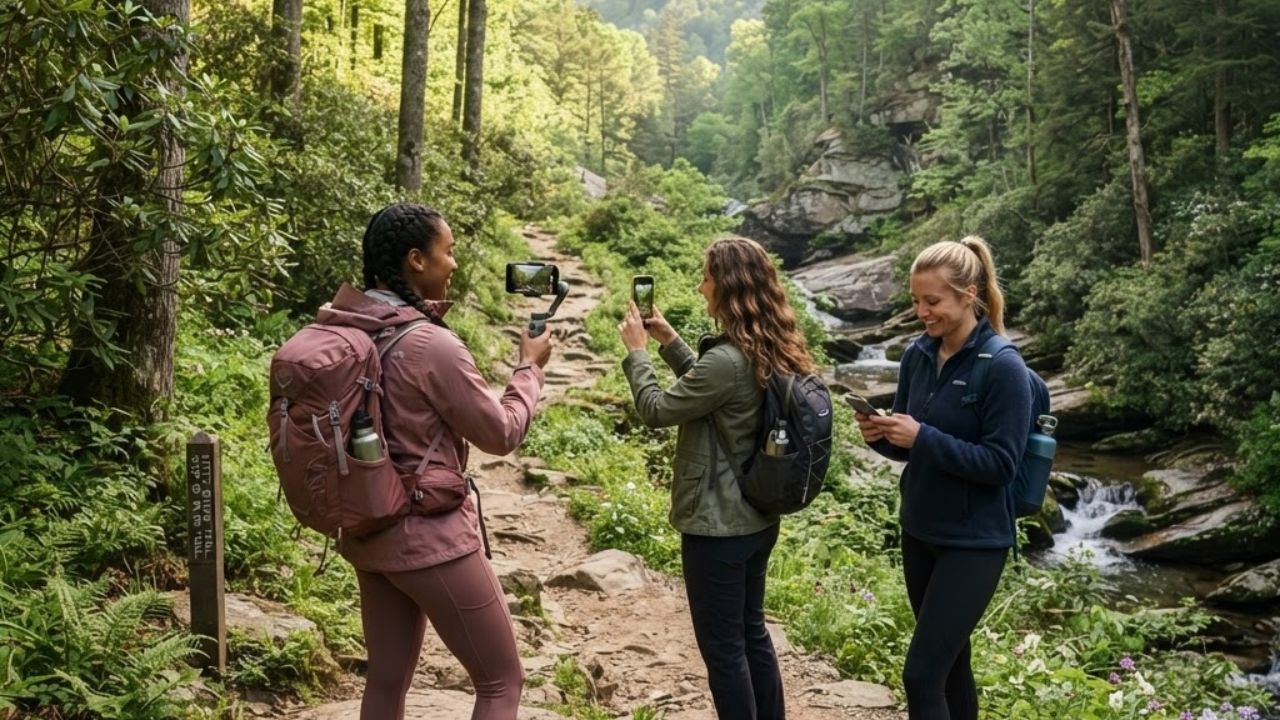
Image generated by AI
Digital creators and viral visual storytelling have become dominant catalysts for American outdoor recreation, reshaping how travelers discover national forests while prompting conservation agencies to implement data-driven visitor use management.
WASHINGTON, D.C. — Outdoor tourism across the United States has entered an unprecedented digital epoch where a single viral smartphone video or creator recommendation can transform an obscure wilderness path into an international bucket-list attraction. As millions of hikers, campers, and nature enthusiasts bypass traditional printed travel brochures in favor of dynamic social media feeds, influencer marketing is fundamentally redefining the economics and geography of public lands.
While digital exposure provides economic windfalls for gateway mountain communities and introduces diverse new demographics to outdoor recreation, it simultaneously places immense physical strain on fragile natural environments. In response, public land custodians—including the National Park Service (NPS), the US Forest Service, and state conservation departments—are shifting from passive monitoring to proactive digital visitor management, utilizing social media telemetry to safeguard natural corridors against the perils of viral overtourism.
The Local Trend Revealed: From Print Guides to Algorithmic Trail Discovery
The mechanism of destination discovery has undergone a radical transformation. Historically, hikers planned outdoor excursions through topographic guidebooks, word-of-mouth recommendations, and national park visitor centers. Today, high-definition short-form reels, panoramic drone photography, and curated gear reviews dictate foot traffic across American trails.
Academic research underlines the scale of this phenomenon. A comprehensive meta-analysis evaluating social media usage across parks and protected areas synthesized 53 peer-reviewed studies across 23 countries, demonstrating that digital location data, user hashtags, and engagement metrics now provide the fastest real-world indicator of recreational shifts.
For rural gateways and municipal tourism boards, creator partnerships offer powerful promotional equity. Remote public lands that historically operated in the shadow of iconic "crown jewel" national parks can now attract self-sufficient adventurers through authentic visual storytelling. However, because algorithmic feeds disproportionately reward dramatic, hyper-specific viewpoints—such as secluded waterfall pools, sheer cliff ledges, or narrow slot canyons—visitor foot traffic concentrates intensely into small, unhardened wilderness zones ill-equipped for sudden surges.
Digital Influence vs. Wilderness Capacity: The Outdoor Tourism Balance
| Dimension | Traditional Trail Promotion | Influencer-Driven Promotion | Operational & Ecological Impact |
|---|---|---|---|
| Discovery Medium | Topographic paper maps, park brochures, visitor centers | Short-form video reels, geotagged photos, creator vlogs | Real-time spikes in foot traffic; younger, more diverse user base |
| Foot Traffic Distribution | Dispersed across broad trail networks and regional loops | Hyper-concentrated on viral "photo spot" coordinates | Severe bottlenecking at trailheads, parking lots, and single viewpoints |
| Data & Telemetry | Annual gate receipts, vehicle counters, periodic surveys | Real-time location check-ins, aggregated geo-data from 53 global studies | Allows park rangers to predict weekend surges and redeploy trail crews |
| Conservation Messaging | Passive trailhead bulletin boards and interpretive signs | Direct creator stewardship, in-caption Leave No Trace tips | Creator-led education directly influences on-trail hiker behavior |
Cultural & Environmental Value: Mitigating Ecological Strain Through Creator Stewardship
The environmental consequences of unmanaged viral recreation are acute. When fragile wilderness paths—such as the Little River Trail in the Great Smoky Mountains or delicate alpine switchbacks in the Colorado Rockies—experience sudden tenfold visitor spikes, ecological damage accumulates rapidly:
- Soil Compaction & Trail Braiding: Hikers stepping off main trails to capture selfie angles trample vegetation and create unauthorized "social trails," accelerating topsoil erosion and damaging delicate root networks.
- Wildlife Disruption: Increased human presence and off-leash pets displace native fauna from critical foraging and watering grounds.
- Waste Accumulation: Novice hikers influenced by social media often arrive without basic waste-disposal knowledge, leaving behind plastic water bottles, food packaging, and unburied human waste in pristine watersheds.
To counteract these impacts, a progressive coalition of land managers and ethical creators is redefining the outdoor influencer ethos. Rather than publishing pinpoint GPS coordinates, creators are embracing generalized regional geotags (such as "Coconino National Forest" instead of a specific fragile vortex grotto), preventing sudden crowds from overwhelming sensitive micro-ecosystems.
Furthermore, tourism authorities are investing in direct creator collaborations modeled on successful international precedents. Similar to initiatives developed by Tourism Tasmania, public agencies are commissioning influencers specifically to model ethical backcountry practices—demonstrating how to pack out trash, yield trail right-of-way, adhere to bear-safety food storage, and respect tribal cultural heritage sites.
Local Visitor Insider Tips: Practicing Ethical Digital Exploration
Travelers and content creators looking to explore America’s great outdoors responsibly should adopt these essential field protocols:
- Practice Thoughtful Geotagging: Avoid tagging precise latitude-and-longitude coordinates or exact pin drops on social media when posting fragile backcountry gems, delicate wildflower meadows, or sensitive desert cryptobiotic soil crusts. Tag the broader national forest, county, or state region instead. This simple practice preserves the spirit of exploration while shielding unmaintained trails from sudden viral degradation.
- Off-Peak Trail Windows: The most rewarding wilderness experiences occur far from peak midday crowds. Begin hikes at first light (between 05:30 and 07:00) or plan late afternoon excursions. In addition to securing parking at popular trailheads, dawn and dusk provide superior natural lighting for photography without heat exhaustion.
- Pack the Ten Essentials for Every Excursion: Do not let a creator's casual 30-second video deceive you into under-preparing. Mountain weather changes rapidly. Always carry the Ten Essentials: offline navigation (downloaded topographic maps on apps like Gaia GPS or CalTopo), headlamp with spare batteries, hydration, high-protein nutrition, layered weather gear, fire starter, emergency shelter, first-aid supplies, multi-tool, and sun protection.
- Stay Firmly on the Hardened Trail: When stopping to capture photographs or video clips, never step off the maintained trail onto fragile alpine tundra, moss beds, or desert biological crusts. Biological soil crusts in desert parks like Arches and Canyonlands take decades to recover from a single misplaced footstep.
- Support Local Gateway Communities: When visiting viral nature destinations, make a conscious effort to patronize family-owned diners, independent outdoor outfitters, and regional bakeries in nearby gateway towns. Channeling tourism spending directly into local hands helps rural communities maintain search-and-rescue services and municipal recycling facilities.
Tourism Outlook: Transforming Online Attention into Regenerative Stewardship
Influencer marketing has permanently altered the relationship between modern society and the natural world. It has democratized outdoor recreation, inspiring millions of city dwellers to trade indoor screens for mountain summits, tranquil pine forests, and roaring rivers.
Moving forward, the resilience of America's outdoor tourism sector will depend on treating digital platforms not merely as advertising billboards, but as dynamic tools for conservation education and visitor dispersion. When content creators, land managers, and conscious travelers unite around sustainable outdoor ethics, digital storytelling becomes a powerful shield—inspiring global reverence for wilderness while ensuring that America’s grandest trails endure for generations to come.
Related Travel Guides
Disclaimer
This article is for informational and educational purposes only. It does not constitute legal, financial, or professional advice. While we strive to provide accurate and up-to-date information, travel policies, regulations, and conditions change rapidly. Always verify information with official sources before making travel decisions. Nomad Lawyer makes no representations about the accuracy, reliability, completeness, or suitability of the information provided. Readers should consult qualified professionals for advice specific to their circumstances. The views expressed in this article are those of the author and do not necessarily reflect the views of Nomad Lawyer.
Raushan Kumar
Founder & Lead Developer
Full-stack developer with 11+ years of experience and a passionate traveller. Raushan built Nomad Lawyer from the ground up with a vision to create the best travel and law experience on the web.
Learn more about our team →