
Indonesia Transforms Culinary Tourism Through Regional Spice Heritages
Indonesia is expanding culinary tourism in 2026, highlighting Sumatra's spices, Bali's warungs, Java's gudeg, and Sulawesi's seafood.
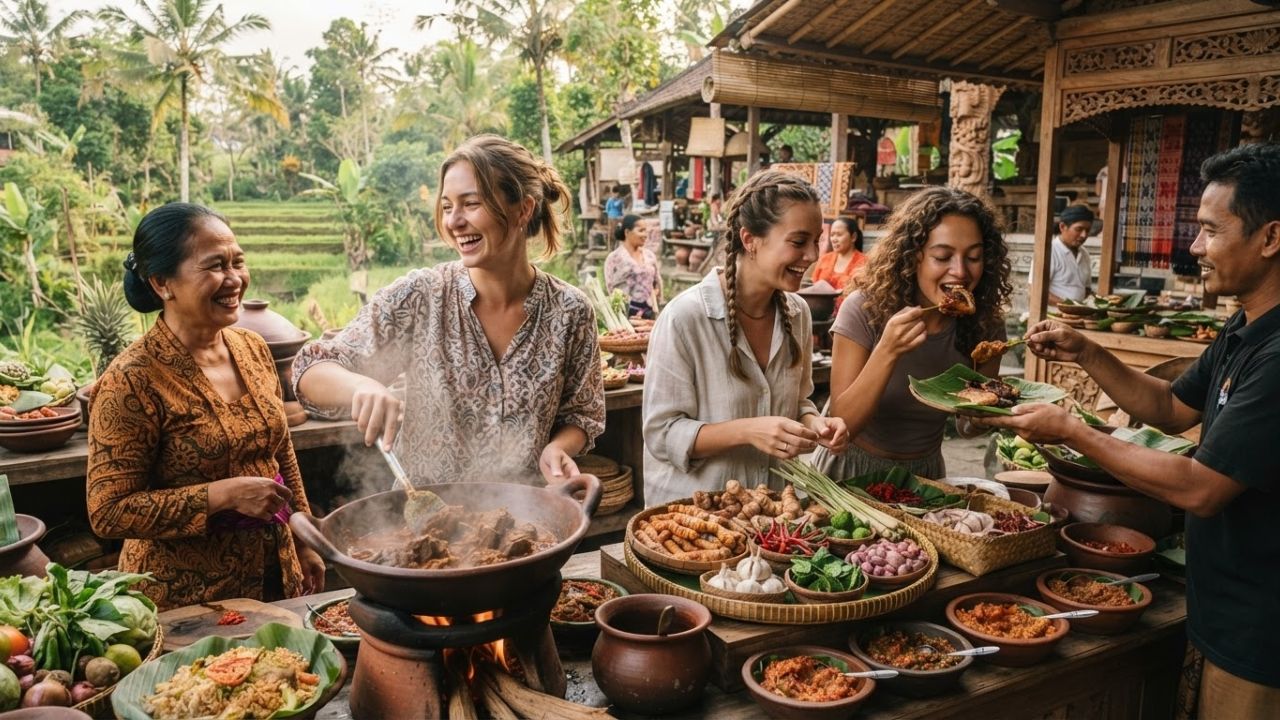
Image generated by AI
Leveraging a historic spice heritage that spans thousands of islands and promoting regional experiences from Sumatra's slow-cooked rendang to Bali's organic warungs, Indonesia has expanded its culinary tourism.
The Core Transit Update
Regional travel routes and community-based hospitality corridors across the Indonesian archipelago are adapting to growing food tourism demand. The Ministry of Tourism is prioritizing culinary travel as a primary destination development strategy.
Rather than focusing visitor spending solely on coastal resort zones, transit and tourism programs are routing travelers deeper into local markets, family-run kitchens, and traditional cooking workshops across Java (Yogyakarta and Jakarta), West Sumatra, Sulawesi, Lombok, and Flores. This geographic dispersal allows visitors to explore the diverse food cultures of the country's ethnic communities.
Culinary Classics & Destination Experiences
Planning a food-focused vacation requires identifying iconic regional dishes and locating traditional dining zones. The following tables outline the country's signature dishes and analyze the primary culinary tourism destinations.
| Iconic Indonesian Dish | Region / Province of Origin | Primary Culinary Identity & Travel Appeal |
|---|---|---|
| Rendang | West Sumatra | Slow-cooked spice-rich beef; Minangkabau tradition |
| Nasi Goreng | Nationwide distribution | Stir-fried rice comfort food baseline |
| Satay (Sate) | Multiple regional provinces | Grilled skewered meat skewers with peanut sauce |
| Soto | Regional variations | Spiced broth soup traditions (e.g., Soto Betawi) |
| Gado-Gado | Java | Steamed vegetables with peanut dressing |
| Gudeg | Yogyakarta (Central Java) | Sweet young jackfruit stewed in coconut milk |
Iconic Indonesian dishes and regional associations.
| Target Travel Destination | Primary Food Experience Asset | Strategic Travel & Community Appeal |
|---|---|---|
| Bali (Ubud / Coastal) | Traditional warungs & classes | Wellness connection, organic farm ingredients |
| Jakarta Capital | Betawi street food & fusion | High-density urban gastronomy corridors |
| West Sumatra | Minangkabau spice heritage | Historical trading routes & rich herbal cooking |
| Sulawesi | Maritime seafood grill | Coastal communities & fresh catches |
| Lombok | Sasak spicy specialties | Less-explored chili-based island recipes |
Indonesian culinary tourism destinations and traveler highlights.
Traveler Logistics Guide
From a ground-level perspective, the best way to navigate this is to enroll in certified cooking programs or heritage food walks in cities like Yogyakarta or Ubud early in your trip, as local guides can teach you how to source ingredients safely from wet markets and identify fresh spices like galangal and lemongrass. Checking food hygiene standards is recommended.
To plan your culinary trip:
- Allow Safe Transit Windows: When traveling between islands (e.g., flying from Bali to Sumatra to taste authentic rendang), allow at least four hours of airport buffer time.
- Observe Dietary Preferences: While Indonesian cuisine relies heavily on rice and vegetables (like gado-gado), ask local warung cooks about the presence of shrimp paste (terasi) if you have shellfish allergies.
- Verify Market Operating Hours: Traditional wet markets in Java and Sumatra open before dawn. Arrive by 6:00 AM for the best selection of herbs and spices.
- Carry Cash for Street Stalls: Food vendors in Jakarta's night markets and roadside warungs do not accept international credit cards. Carry small denominations of Rupiah.
Infrastructure Impact Assessment
The growth of food tourism and the establishment of regional gastronomy trails protect local agricultural systems from economic decline.
By directing traveler spending to family-run restaurants, coastal fishermen in Sulawesi, and organic jackfruit growers in Central Java, the program increases agricultural revenues, funds traditional cooking schools, and balances visitor density across less-frequented islands.
Related Travel Guides
Disclaimer
This article is for informational and educational purposes only. It does not constitute legal, financial, or professional advice. While we strive to provide accurate and up-to-date information, travel policies, regulations, and conditions change rapidly. Always verify information with official sources before making travel decisions. Nomad Lawyer makes no representations about the accuracy, reliability, completeness, or suitability of the information provided. Readers should consult qualified professionals for advice specific to their circumstances. The views expressed in this article are those of the author and do not necessarily reflect the views of Nomad Lawyer.