
Serbia Visa Free: 90+ Nations Now Access Balkan Gateway Without Entry Requirements
Serbia's visa-free regime now covers 90+ nationalities including Turkey, China, and Russia, driving record 2026 tourism growth and reshaping the country's role as Europe's premier Balkan gateway for international travelers.

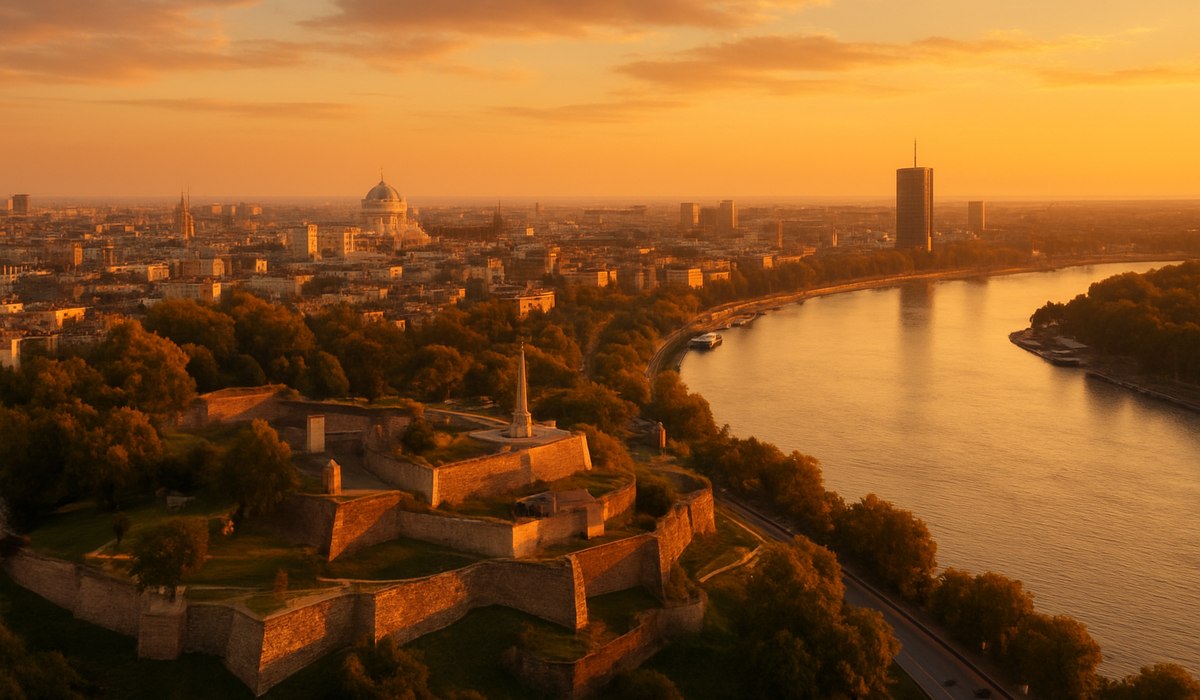
Image generated by AI
Serbia's Expanding Visa-Free Regime Sets Balkan Record
Serbia's unusually open visa-free policy now extends to over 90 nationalities, positioning the Balkan nation as Europe's most accessible regional gateway. Citizens of Turkey, China, Russia, Germany, Montenegro, Slovenia, and dozens of other countries can enter Serbia without advance visa applications for short stays up to 90 days. This expanding accessibility has coincided with record-breaking tourism surges, transforming Serbia into a competitive alternative to traditional EU tourism hubs. The policy represents a deliberate balancing act: Belgrade maintains independent immigration standards while aligning strategically with European Union frameworks. Unlike neighboring Balkan states that have tightened entry requirements, Serbia has doubled down on welcoming international travelers, coupling visa liberalization with aggressive tourism infrastructure investments.
Who Qualifies? Serbia Visa Free Entry Requirements
The Serbia visa free regime encompasses nationals from:
- EU and Schengen members (Germany, Slovenia, Austria, Italy, France, and 22+ others)
- Major Asian markets (China, Japan, South Korea, Hong Kong, Taiwan)
- Post-Soviet nations (Russia, Belarus, Kazakhstan, Uzbekistan)
- Turkey and regional neighbors (Montenegro, Bosnia and Herzegovina, Albania, North Macedonia)
- Additional Commonwealth and Commonwealth-aligned states (approximately 40 more nationalities)
Entry requirements remain straightforward: a valid passport with minimum six months validity beyond your intended stay. No advance registration, visa application fees, or documentation beyond standard border checks are required. The 90-day allowance applies to tourism, business meetings, and short-term visits but excludes employment, study, and residence. Travelers should verify their specific nationality status via the official Serbian government immigration portal before departure, as policy updates occur periodically.
How to Apply Step by Step
Serbia visa free entry requires no formal application process. Instead, follow these procedures:
Step 1: Verify Eligibility Check your nationality against Serbia's current visa-free list at the official government website. Citizens of countries not on the exemption list must apply for a D or C visa through a Serbian embassy or consulate.
Step 2: Prepare Your Passport Ensure your passport contains at least six blank pages and remains valid for six months beyond your departure date. Damaged or heavily annotated passports may trigger additional screening.
Step 3: Arrange Accommodation Proof While not legally mandatory, border officials occasionally request hotel reservations or invitation letters from hosts. Booking confirmations satisfy this requirement.
Step 4: Declare Purpose of Visit Be prepared to state your travel purpose (tourism, business, family visit) at immigration. Supporting documents—return flight tickets, business meeting letters, or accommodation confirmations—strengthen your case.
Step 5: Cross the Border Arrive at designated border crossings. Belgrade Nikola Tesla Airport remains the primary entry point and features automated eGates for faster processing. Land borders at Montenegro, Hungary, Romania, Bulgaria, and Bosnia-Herzegovina also accept visa-free travelers.
Step 6: Receive Your 90-Day Allocation Immigration officials stamp your passport upon arrival. Your 90-day period begins immediately and cannot be extended within Serbian territory.
Turkey and Major Markets Drive Inbound Tourism Surge
Turkish travelers now rank among Serbia's top five visitor groups, a dramatic shift driven entirely by visa-free access and enhanced air connectivity. Direct flights between Istanbul and Belgrade have multiplied from three weekly services in 2023 to twelve in 2026, making weekend city breaks viable for Istanbul-based professionals. Turkish nationals increased by 45% year-over-year in 2025, with tourism boards reporting that Serbian wine regions, Orthodox monasteries, and Belgrade's nightlife attract middle-to-upper-income Turkish families.
Chinese arrivals demonstrate even steeper growth trajectories. A major tourism conference in late 2024 revealed that Chinese visitors surged 70% in the first three quarters of that year alone. New direct flights from Beijing, Shanghai, and Guangzhou to Belgrade bypassed traditional hub routes, enabling budget-conscious Chinese tourists to access Serbia at competitive pricing. Industry analysts predict Chinese arrivals will surpass Russian numbers by 2027.
Russian and German visitors maintain absolute volume leadership, though both rely on established infrastructure rather than recent policy shifts. German nationals benefit from decades-old Schengen arrangements, while Russians capitalize on geographic proximity and cultural ties. Both groups increasingly combine Serbia with multi-country Balkan itineraries, extending stays from three to seven days.
Balancing EU Standards with Independent Visa Strategy
Serbia's dual-track immigration approach reflects geopolitical complexity. The European Union has quietly pressured Belgrade to harmonize visa policies with Schengen standards, particularly regarding Russia and China. Brussels maintains that visa-free access for non-compliant nations contradicts EU security objectives. However, Serbian policymakers resist full alignment, arguing that independent immigration sovereignty attracts tourism revenue and positions the country as a neutral transit hub between Western Europe, Russia, and Asia.
This balancing act has proven economically shrewd. Tourism contributed 8.2% of Serbia's GDP in 2025, up from 6.4% in 2020. The visa-free policy directly enabled this 28% contribution increase. Simultaneously, Serbia maintains reciprocal visa-free travel for its own citizens into Schengen territories, a privilege contingent on Brussels deeming Belgrade a "safe" origin country. By preserving access for major markets, Serbia reinforces that safety rating.
EU documents published in late 2024 acknowledged Belgrade's dilemma: tightening visa rules would satisfy Brussels but devastate tourism revenues and diplomatic relationships with strategic partners. The compromise permits visa-free travel for existing exemption holders while slowly implementing enhanced biometric screening and information-sharing protocols at borders.
Regional Competitive Advantage Within Western Balkans
Serbia's aggressive visa liberalization distinguishes it sharply from regional competitors. Bosnia-Herzegovina, Montenegro, Albania, and North Macedonia maintain more restrictive policies for Asian and post-Soviet nations, creating visa processing delays of two to four weeks. Travelers choosing between Balkan destinations frequently select Serbia first, reducing processing times and costs.
Belgrade Nikola Tesla Airport's investment in automated eGate technology accelerated this advantage. Over 60% of visa-free travelers now clear immigration in under five minutes, compared to 20-minute waits at comparable EU airports. Secondary Serbian cities—Novi Sad, Niš, and mountain resort Kopaonik—benefit from Belgrade's accessibility, as tour operators package multi-destination itineraries that previous visa bureaucracy made impractical.
Air Serbia's network expansion reinforces this positioning. The national carrier now operates 45 European and Asian routes, including underserved connections to Turkish Anatolia, Chinese provincial cities, and Russian Far East hubs. Foreign carriers including Turkish Airlines, China Southern, and Lufthansa similarly expanded Serbian operations, recognizing that visa-free access converts potential travelers into confirmed bookings.
| Metric | 2020 Baseline | 2024 Data | 2025 Projection | Growth Rate |
|---|---|---|---|---|
| Annual Tourist Arrivals | 1.46 million | 2.75 million | 3.2 million | 119% (5 years) |
| Turkish Visitors | 85,000 | 145,000 | 211,000 | +148% |
| Chinese Visitors | 38,000 | 91,000 | 155,000 | +307% |
| Visa-Free Eligible Nationalities | 72 | 91 | 96+ | +33% |
| Airport eGate Processing Time | 18 minutes | 4 minutes | <3 minutes | -83% |
| Tourism GDP Contribution | 6 |
Disclaimer
This article is for informational and educational purposes only. It does not constitute legal, financial, or professional advice. While we strive to provide accurate and up-to-date information, travel policies, regulations, and conditions change rapidly. Always verify information with official sources before making travel decisions. Nomad Lawyer makes no representations about the accuracy, reliability, completeness, or suitability of the information provided. Readers should consult qualified professionals for advice specific to their circumstances. The views expressed in this article are those of the author and do not necessarily reflect the views of Nomad Lawyer.
Kunal K Choudhary
Co-Founder & Contributor
A passionate traveller and tech enthusiast. Kunal contributes to the vision and growth of Nomad Lawyer, bringing fresh perspectives and driving the community forward.
Learn more about our team →