
Beyond the Growth Paradigm: WEF and Saudi Arabia Spotlight Six Global Impact Stars Transforming Sustainable Travel
The World Economic Forum and Saudi Arabia unveil the six Beyond Tourism Impact Stars, spotlighting water conservation, Cairo heritage, and Himalayan community models.

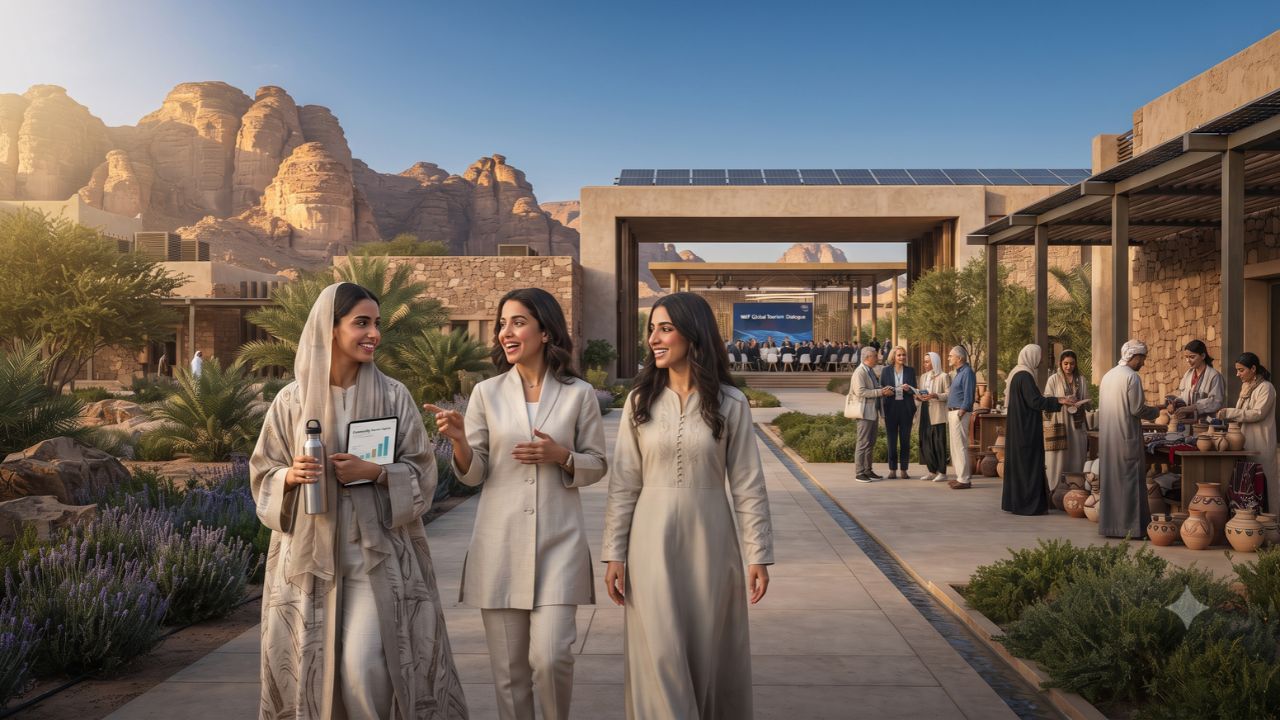
Image generated by AI
With the global tourism economy projected to contribute $16 trillion to world GDP by 2034—representing over 11 percent of the entire global economy—the industry faces an urgent challenge to ensure visitor revenue directly rehabilitates ecosystems rather than depleting them. Convening in Geneva, Switzerland, for the inaugural Beyond Tourism Day under the theme "Resilient Growth. Renewed Impact," the World Economic Forum, in partnership with Saudi Arabia's Ministry of Tourism and global consultancy Kearney, recognized six groundbreaking private-sector initiatives redefining sustainable destination stewardship.
The Shift From Volume Growth to Value-Driven Regeneration
Historically, national tourism success was measured almost exclusively by raw passenger arrivals and hotel room capacity. The Beyond Tourism Impact Stars program establishes a new benchmark, rewarding enterprise models that integrate resource conservation, indigenous heritage preservation, and direct community equity into day-to-day hospitality operations.
Coinciding with international observances for World Tourism Day on September 27, the initiative brings together global policymakers, conservationists, and travel corporations to demonstrate that commercial profitability and measurable ecological regeneration can reinforce one another.
The Six Global Initiatives Reshaping Travel in 2026
The recognized programs address distinct structural challenges across global travel corridors:
1. Accor: Global Water Action
Operating across thousands of properties worldwide, Accor's Global Water Action initiative integrates strict flow-monitoring technologies, specialized staff conservation training, and localized watershed protection programs to reduce water footprints across arid and drought-prone resort destinations.
2. Al Ismaelia: Reviving Downtown Cairo
In Egypt, Al Ismaelia for Real Estate Investment is rehabilitating 19th-century Belle Époque architecture across historic downtown Cairo. Rather than displacing local merchants, the project transforms neglected historic structures into community cultural spaces, independent artisan workshops, and boutique accommodation, preserving architectural identity while driving urban heritage tourism.
3. Discova: Path to Self-Sufficient Tourism
Supporting rural villages across Southeast Asia, Discova's community enterprise incubator helps indigenous residents establish, manage, and independently own village-based tour operations, ensuring the majority of traveler expenditure remains with local families.
4. GHE Impact Ventures: Himalayan Living Commons
In remote high-altitude valleys of northern India, Global Himalayan Expedition (GHE) installs solar microgrids, develops indigenous homestay networks, and builds local training centers, enabling isolated mountain communities to capture sustainable income from trekking tourism while preserving fragile alpine environments.
5. Iberostar: Wave of Change
Utilizing marine scientific research and data-driven coastal engineering, Iberostar's Wave of Change initiative eliminates single-use plastics, sources 100 percent responsible seafood, and actively restores coral reefs and mangrove forests fronting its beachfront resort properties.
6. Sommet Education: Empowering Saudi Hospitality Talent
Supporting Saudi Arabia's long-term economic transformation outlined by the Saudi Tourism Authority, Sommet Education delivers specialized vocational hospitality curricula, developing domestic professional leadership and career pathways for Saudi youth across emerging tourism destinations like AlUla, Diriyah, and the Red Sea project.
Visitor Insider Tips for Responsible Exploration
- Select Community-Owned Accommodations: When trekking in high-altitude regions like Ladakh or the Himalayas, book through verified community-owned homestay cooperatives to ensure 80 percent or more of your nightly lodging fee stays directly in the host village.
- Audit Hotel Water and Waste Policies: In coastal resort areas and island destinations, choose hotel properties certified for comprehensive greywater recycling, onsite desalination, and coral nursery stewardship.
- Support Historic Urban Conservation: In heritage cities like Cairo or Istanbul, patronize independent restaurants, bookstores, and boutique hotels operating inside restored heritage buildings rather than newly constructed tourist strip malls.
- Embrace Low-Impact Transit: Incorporate regional electrified rail and shared transport when traveling between cultural hubs, consulting sustainable mobility frameworks maintained by UN Tourism.
Policy and Global Economic Impact
The alignment between global institutions and national tourism ministries marks a decisive transition in international travel governance. By shifting public and private investment toward regenerative models, destinations can insulate local economies against climate disruptions and protect fragile heritage assets.
As travelers increasingly prioritize authentic cultural engagement and environmental accountability, the models championed by the Beyond Tourism Impact Stars demonstrate that the future of travel lies in leaving host communities stronger, more resilient, and culturally intact.
FAQ: Sustainable Tourism and WEF Impact Stars 2026
What is the World Economic Forum's Beyond Tourism initiative?
It is a global platform connecting governments, private enterprises, and civil society to advance sustainable, resilient, and community-centered travel models.
How much is the global tourism sector expected to contribute to GDP by 2034?
The global travel and tourism sector is projected to contribute approximately $16 trillion to global GDP by 2034, accounting for more than 11 percent of the global economy.
How does community-based tourism differ from conventional resort travel?
Community-based tourism empowers local residents to own and manage tourism services, ensuring financial profits directly fund village infrastructure, education, and local conservation.
Which six initiatives received the Impact Stars recognition?
The six recognized programs are Accor (water action), Al Ismaelia (Cairo heritage), Discova (Southeast Asia community travel), GHE Impact Ventures (Himalayan commons), Iberostar (marine conservation), and Sommet Education (Saudi talent).
Transforming travel from extractive consumption into community-led stewardship ensures the world's most treasured destinations remain resilient for generations to come.
Disclaimer
This article is for informational and educational purposes only. It does not constitute legal, financial, or professional advice. While we strive to provide accurate and up-to-date information, travel policies, regulations, and conditions change rapidly. Always verify information with official sources before making travel decisions. Nomad Lawyer makes no representations about the accuracy, reliability, completeness, or suitability of the information provided. Readers should consult qualified professionals for advice specific to their circumstances. The views expressed in this article are those of the author and do not necessarily reflect the views of Nomad Lawyer.
Preeti Gunjan
Contributor & Community Manager
A passionate traveller and community builder. Preeti helps grow the Nomad Lawyer community, fostering engagement and bringing the reader experience to life.
Learn more about our team →