
Indigenous Tourism Booms on Vancouver Island Through Wildlife and First Nations Heritage
Indigenous-led tourism generates C$1.1 billion across British Columbia as Vancouver Island First Nations expand authentic wildlife and cultural wilderness lodges.

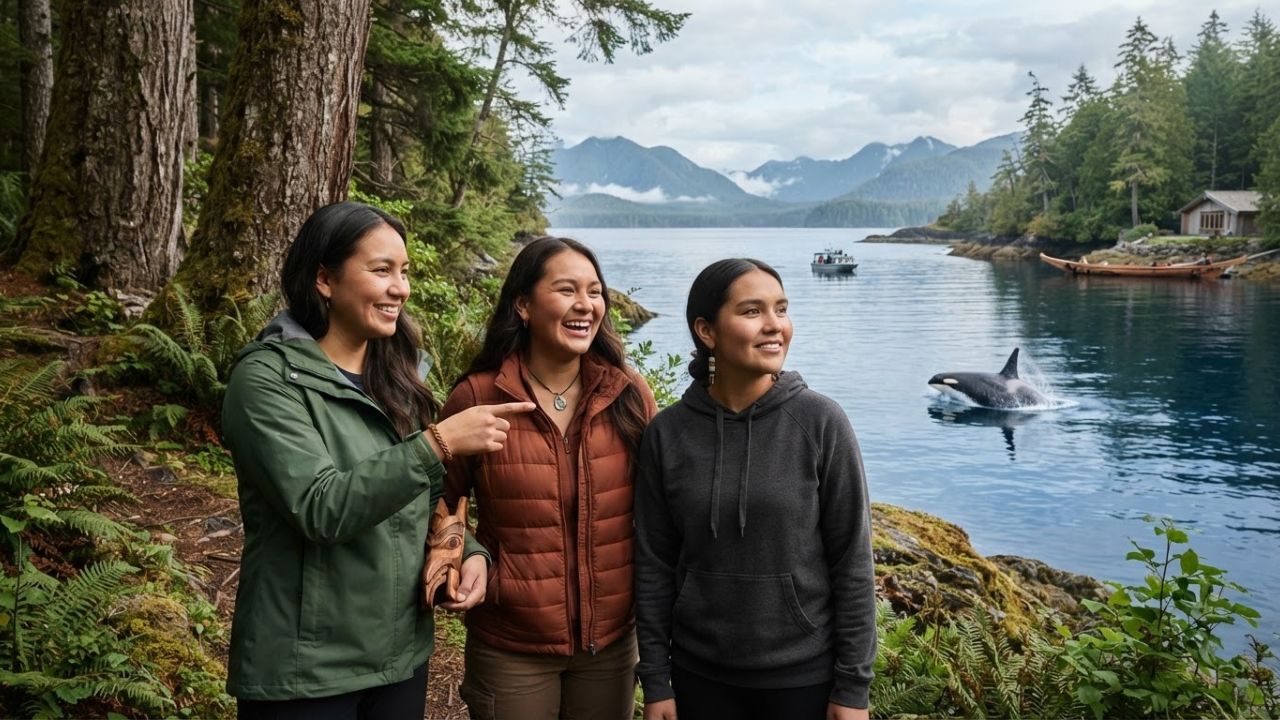
Image generated by AI
Generating over C$1.1 billion annually and supporting 10,000 jobs across British Columbia, Indigenous-led tourism is transforming Vancouver Island into a global benchmark for authentic First Nations cultural immersion and community-governed wildlife conservation.
The Local Trend: First Nations Reclaim Stewardship Over Coastal Tourism
Travel across Vancouver Island is undergoing a profound cultural and ethical transformation. Rather than experiencing the Pacific Northwest solely through conventional sightseeing, one in four visitors to British Columbia now actively seeks an authentic Indigenous experience.
Vancouver Island is the ancestral territory of three distinct Indigenous nations: the Coast Salish, the Nuu-chah-nulth, and the Kwakwaka’wakw. Indigenous Tourism BC (ITBC) reports that the provincial Indigenous tourism footprint has expanded from pandemic recovery—backed by an C$8 million recovery fund supporting 300 enterprises—into a thriving sector comprising over 400 Indigenous-owned businesses. Vancouver Island holds 16% of all British Columbia tourism enterprises, creating the province's largest regional hospitality concentration outside the Vancouver mainland.
British Columbia Indigenous Tourism Growth Benchmarks
| Economic & Industry Metric | Earlier Recovery Benchmark | Latest Verified Benchmark | Growth & Practical Significance |
|---|---|---|---|
| Indigenous Tourism Businesses | >300 Businesses supported | 400+ Indigenous Enterprises | Expanding sovereign community ownership |
| Annual Economic Contribution | Recovery-phase allocation | C$1.1 Billion to B.C. Economy | Major contributor to regional prosperity |
| Indigenous Tourism Employment | ~1,200 jobs preserved/created | About 10,000 Active Jobs | Generational career pathways in hospitality |
| Provincial Tourism Revenue | C$18 Billion (2022) | C$23 Billion (2024, +4.2% YoY) | Robust visitor economy recovery |
| Tourism Contribution to GDP | C$7.2 Billion (2022) | Nearly C$8 Billion (2024) | High-yield leisure and eco-travel expansion |
| Training Initiative Participation | Foundational workshops | 1,000+ Certified Graduates | Professionalized cultural interpretive guides |
| Vancouver Island Business Share | 16% of Provincial Total | 16% of Provincial Total | Largest regional cluster outside Metro Vancouver |
Wildlife Encounters and First Nations Wilderness Lodges
Indigenous-owned tourism enterprises across Vancouver Island have moved far beyond standard souvenir retail into immersive marine expeditions, cultural centres, and four-star accommodations:
- Sea Wolf Adventures (Port McNeill): Kwakwaka’wakw guides lead intimate grizzly-bear viewing and wildlife tours through the Broughton Archipelago and Great Bear Rainforest, interpreting wildlife behavior through traditional ecological knowledge and oral histories.
- Ahous Adventures (Tofino): Wholly owned and operated by the Ahousaht First Nation, this operation offers guided boat tours to Hot Springs Cove, whale watching, and black bear tracking, educating travelers on Ahousaht maritime sovereignty and language.
- Best Western Plus Tin Wis Resort (Tofino): Situated on ancestral coastal lands overlooking Mackenzie Beach, this premier oceanfront resort is owned and operated by the Tla-o-qui-aht First Nation, reinvesting profits directly into tribal healthcare, schooling, and land guardianship.
- Kwa’lilas Hotel (Port Hardy): A four-star Indigenous-owned boutique property in the northern reaches of the island, featuring museum-grade West Coast Indigenous carvings, cedar architecture, and local seafood gastronomy.
- Wahous Wilderness Lodge (Tofino Coast): Welcoming guests for its 2026 season, this off-grid lodge combines marine transfers, cultural programming, temperate rainforest hikes, and indigenous culinary menus.
The "Authentic Indigenous" Standard
To safeguard sacred customs from unauthorized commercialization, Indigenous Tourism BC launched its rigorous "Authentic Indigenous" certification. In 2025 alone, six new island enterprises earned this quality seal. The certification portal became ITBC’s most visited consumer resource for five consecutive months, supported by 173 dedicated social media campaigns educating travelers on verifying genuine community-owned operators.
Countering Seasonality: The Winter Cultural Opportunity
While summer brings heavy traveler volumes to the coast, official 2024 resident sentiment surveys reveal a striking regional dynamic:
- Summer Overcrowding: 40% of Vancouver Island residents report that summer visitor volumes are "too high," with only 8% believing numbers are too low.
- Winter Deficit: In stark contrast, 42% of residents state that winter tourism levels are "too low," while 53% view current winter levels as ideal.
- Shoulder Season Alignment: Spring (74% ideal) and autumn (68% ideal) provide prime windows for storm-watching, cedar-weaving workshops, traditional salmon smoking, and low-impact coastal hiking that distribute economic benefits across the entire calendar year without straining local infrastructure.
Global Benchmarks in Indigenous Tourism
| Global Indigenous Destination | Recent Visitor Volume Benchmark | Indigenous Travel Indicator | Key Comparative Insight |
|---|---|---|---|
| British Columbia (Canada) | 400+ Indigenous Enterprises | C$1.1B Annual Economic Impact | 1 in 4 visitors seeks Indigenous experiences |
| Australia | 3.0 Million First Nations Trips | 1.1M International Travelers | 813,000 trips include Aboriginal arts/crafts |
| New South Wales (Australia) | 796,600 Overnight Indigenous Guests | A$2.6B Inbound Spend (+14%) | High international spending on authentic culture |
| New Zealand | 3.31 Million Total Visitors | 24.2% Visited Māori Heritage Sites | 89.7% traveler satisfaction rate |
| Sámi Lapland (Finland) | 82,000+ Siida Museum Visitors | +20% Record Annual Growth | Cultural centres drive year-round regional visits |
| Hawaiʻi | 9,701,499 Total Arrivals | US$20.72B Total Visitor Spend | Integrating native culture into mature markets |
Destination Specialist Local Insider Tips
Travelers seeking respectful, transformative journeys on Vancouver Island can elevate their visit with these expert recommendations:
- Verify the "Authentic Indigenous" Seal Before Booking: Ensure your tour operators, art galleries, and wilderness lodges hold official ITBC Authentic Indigenous certification to guarantee direct financial benefit to local First Nations.
- Book Shoulder Season Storm-Watching in Tofino: Visit between November and February to stay at the Tla-o-qui-aht-owned Tin Wis Resort; witness dramatic Pacific swells while participating in indoor cedar-bark weaving and storytelling sessions.
- Observe Sacred Cultural Etiquette: When visiting First Nations reserves or hereditary sites like Hot Springs Cove, ask permission before photographing tribal totem poles, burial islets, or ceremonial gatherings.
- Savor Traditional Nuu-chah-nulth Cedar-Plank Salmon: Dine at Indigenous-run eateries in Tofino and Ucluelet to taste wild Pacific sockeye salmon slow-cooked over open alderwood fires, seasoned with wild-harvested sea kelp.
- Explore U’mista Cultural Centre in Alert Bay: Take the scenic ferry from Port McNeill to Cormorant Island to visit U’mista, home to a world-renowned collection of repatriated Kwakwaka’wakw potlatch masks and ceremonial regalia.
Future Outlook
Indigenous tourism on Vancouver Island demonstrates how sustainable travel can revitalize ancient traditions while generating robust regional prosperity. By prioritizing community governance, seasonal dispersion, and verified authenticity, First Nations leaders are shaping a sustainable model that preserves coastal ecosystems and shares living cultural heritage with travelers from around the world.
Related Travel Guides
Disclaimer
This article is for informational and educational purposes only. It does not constitute legal, financial, or professional advice. While we strive to provide accurate and up-to-date information, travel policies, regulations, and conditions change rapidly. Always verify information with official sources before making travel decisions. Nomad Lawyer makes no representations about the accuracy, reliability, completeness, or suitability of the information provided. Readers should consult qualified professionals for advice specific to their circumstances. The views expressed in this article are those of the author and do not necessarily reflect the views of Nomad Lawyer.
Preeti Gunjan
Contributor & Community Manager
A passionate traveller and community builder. Preeti helps grow the Nomad Lawyer community, fostering engagement and bringing the reader experience to life.
Learn more about our team →