
Indian Railways Expands Longest Vande Bharat Express routes Connecting Cultural Capitals, Economic Hubs, and Major Tourism Destinations: What Every Traveler Must Know
Indian Railways expands its longest Vande Bharat Express routes, linking key cultural and business hubs over 600 km. Read travel and booking tips.

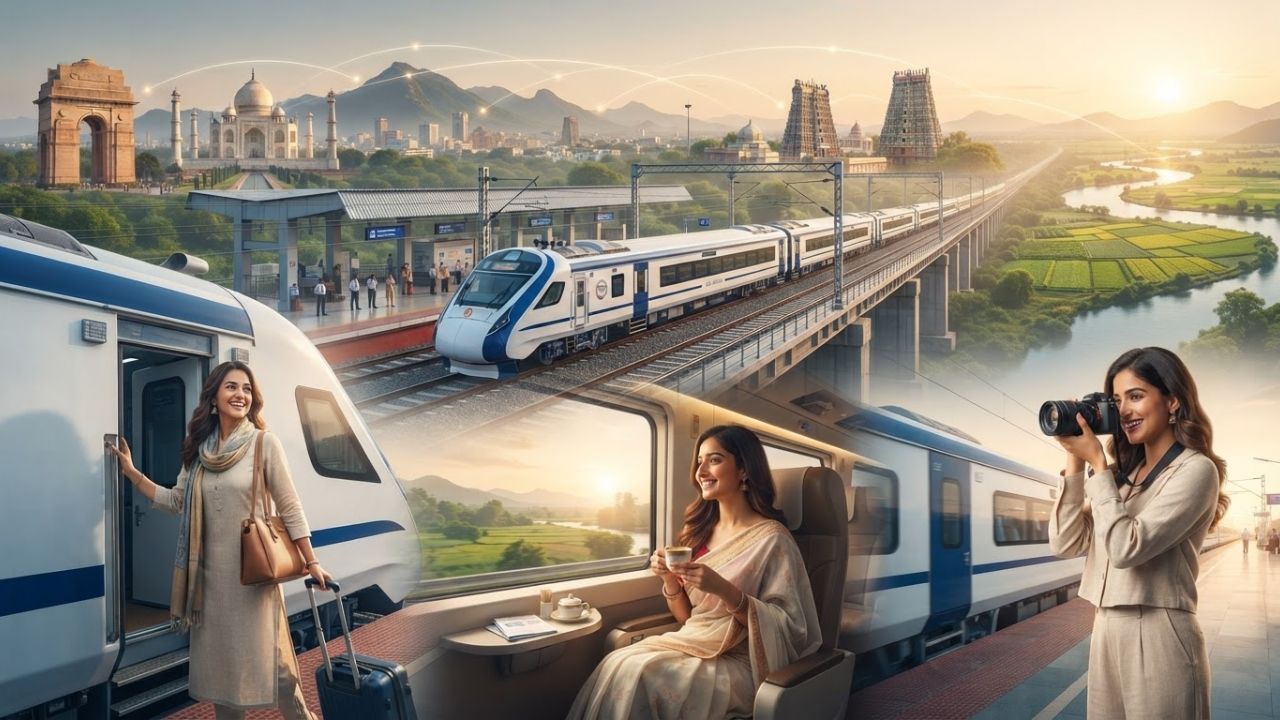
Image generated by AI
Published on July 23, 2026
Indian Railways has announced a major expansion of its semi-high-speed network, highlighting the longest Vande Bharat Express routes that connect cultural capitals, economic hubs, and popular tourist destinations. Operating at speeds of up to 160 kmph, these premium services offer faster intercity travel, upgraded safety features, and enhanced onboard comfort across multiple states. Travelers planning to explore regional cities and pilgrimage centers are advised to book tickets early and check schedules before departure to ensure a smooth journey.
Quick Summary
- Railway Network Expansion: Indian Railways is accelerating its connectivity by introducing several long-distance Vande Bharat Express routes covering over 600 kilometers.
- Ajni-Pune Record Route: The Ajni–Pune corridor stands as one of the longest in the network, covering approximately 881 kilometers across Maharashtra.
- Varanasi Heritage Connection: The 759-kilometer New Delhi–Varanasi route links the national capital with India's oldest spiritual and cultural capital.
- Southern Tamil Nadu Route: The Chennai–Nagercoil route covers 726 kilometers, connecting the capital region to Madurai and Kanyakumari.
- Economic and Tourism Hubs: Additional key long-distance routes include Visakhapatnam–Secunderabad (703 km), Rani Kamlapati–Hazrat Nizamuddin (699 km), and Ajmer–Chandigarh (675 km).
Context and Background: India's Rapid Expansion of Vande Bharat Express routes
The expansion of the Vande Bharat Express network represents a major transition in India's domestic transit sector. Designed to connect metropolitan areas, these semi-high-speed trains serve as a modern alternative to traditional express services. Initially, the network operated over shorter routes, but high demand has led to corridors spanning more than 600 kilometers.
Connecting business districts, heritage cities, and pilgrimage destinations, these services allow passengers to travel across states with higher comfort. This expansion is part of national connectivity campaigns monitored by the Government of India official portal, which funds track upgrades, signaling, and terminal modernizations to support regional economic integration.
Event and Incident Details: Profiles of the Six Longest Rail Corridors
According to route sheets from the Indian Railways official portal, several long-distance services now operate across major regional corridors. These routes enable travelers to cover vast distances within a single day while avoiding multiple train changes. To help passengers plan their journeys, the table below profiles the six longest Vande Bharat routes:
| Route Corridor | Total Distance (km) | Key Regional Stops | Primary Target Audience |
|---|---|---|---|
| Ajni to Pune | 881 km | Wardha, Akola, Jalgaon, Manmad, Daund | Business professionals, students, and tourists |
| New Delhi to Varanasi | 759 km | Kanpur, Prayagraj, Varanasi | Pilgrims, cultural tourists, and business travelers |
| Chennai to Nagercoil | 726 km | Tambaram, Villupuram, Tiruchirappalli, Madurai | Leisure travelers and heritage tourists |
| Visakhapatnam to Secunderabad | 703 km | Rajahmundry, Vijayawada, Khammam, Warangal | IT professionals, families, and coastal tourists |
| Rani Kamlapati to Hazrat Nizamuddin | 699 km | Jhansi, Gwalior, Agra Cantt | Heritage tourists and commercial travelers |
| Ajmer to Chandigarh | 675 km | Jaipur, Alwar, Gurugram, Delhi Cantt | Pilgrims, corporate commuters, and hill tourists |
These routes link crucial hubs: Ajni–Pune connects Maharashtra's tech zones, New Delhi–Varanasi links the capital to spiritual centers, and Chennai–Nagercoil serves Madurai and Kanyakumari. Additionally, Visakhapatnam–Secunderabad links coastal ports with Hyderabad, Rani Kamlapati connects central India to Delhi, and Ajmer–Chandigarh links Rajasthan with Haryana and Punjab.
Risk and Impact: Managing Passenger Comfort, Traffic, and Safety Parameters
Operating long-distance, semi-high-speed services requires strict management of route schedules, passenger logistics, and safety protocols:
- Holiday and Festival Congestion: Demand increases significantly during festivals and pilgrimage seasons, making early bookings essential.
- Onward Transit Coordination: Many final destinations, such as Kanyakumari or Pushkar, require additional road travel after rail arrival.
- Secunderabad-Hyderabad Transit Times: Passengers must account for traffic delays when traveling from Secunderabad station to Hyderabad's business districts.
- Strict Station Security Controls: Arriving early is required to complete security screenings and boarding procedures before departure.
- Schedule and Route Modifications: Technical maintenance or track upgrades can lead to schedule changes, requiring regular itinerary verification.
What Authorities Are Saying: Official Travel Guidelines and Booking Advisories
National railway managers emphasize that the Vande Bharat network is designed to establish a new benchmark for passenger comfort and travel speed. Officials advise travelers to plan bookings early, particularly during peak pilgrimage periods. Travelers are advised to secure reservations through the IRCTC official booking portal early to ensure seat availability.
Regional directors note that these trains offer premium amenities, including Wi-Fi, LED lighting, charging ports, automatic doors, and soundproof coaches. By reducing travel times and improving the onboard environment, the services encourage more people to choose rail transit over road travel. The railway administration will continue to run track assessments and monitor safety systems to support high-speed operations.
Practical Traveler Advice: How to Plan a Journey Along the Vande Bharat Express routes
For passengers planning a trip along India's longest Vande Bharat Express routes, travel experts recommend following these guidelines:
- Verify Operating Days: Check the specific operating schedule of your chosen route, as some services do not run daily.
- Book Tickets Early: Secure bookings weeks in advance through IRCTC, especially if traveling during major regional festivals.
- Plan Onward Transfers: Arrange local taxi or bus connections from arrival stations, such as Nagercoil or Ajmer, to your final destination.
- Allow Time for Security: Arrive at major terminals at least 45 minutes before departure to complete baggage checks and boarding procedures.
- Confirm Boarding Terminals: Double-check your boarding station, as cities like Delhi and Bhopal use multiple terminal options.
- Check Food and Amenity Details: Confirm catering inclusions and charging port configurations for your specific coach class before departure.
Broader Context: Shifting Demographics Toward High-Speed Rail Tourism
The popularity of these long-distance routes reflects a growing demand for clean, comfortable, and reliable transit options. Modern travelers, including families, professionals, and students, are increasingly selecting semi-high-speed rail over domestic flights or road travel. By offering comfortable cabins and faster travel times, the network has successfully bridged the gap between major cultural and economic centers.
Additionally, the expansion of the network helps distribute tourism revenue to smaller cities along the routes. Key stops like Jhansi, Akola, and Tiruchirappalli benefit from increased visitor traffic, supporting local businesses, hotels, and restaurants. This regional dispersal supports national tourism goals by encouraging travelers to explore beyond major metropolitan areas.
Looking Ahead: Expanding Long-Distance Services and Future Fleet Upgrades
As Indian Railways continues to expand the Vande Bharat network, plans are underway to introduce additional sleeper variants and long-distance corridors. These upgrades will allow the company to introduce semi-high-speed services on overnight routes connecting distant destinations.
Ongoing investments in track modernizations and signaling systems will support these expansions, allowing more trains to operate at their maximum speed of 160 kmph. By integrating digital technology, safety upgrades, and premium amenities, the railway revolution will continue to transform the domestic travel landscape for decades to come.
Conclusion: Emphasizing Preparedness and Vigilance
In conclusion, the expansion of the Vande Bharat Express network provides a highly efficient and comfortable way to explore India's cultural and commercial destinations. However, taking full advantage of these premium rail services requires careful preparation, especially regarding ticket bookings and onward transit connections. By staying informed through official portals, planning travel in advance, and maintaining flexibility, passengers can ensure a safe, organized, and memorable rail journey.
FAQ: Navigating the Vande Bharat Network
What is the longest Vande Bharat route currently operating?
The Ajni–Pune Vande Bharat Express is one of the longest routes in the network, covering approximately 881 kilometers across Maharashtra.
What is the maximum speed of the Vande Bharat Express?
Vande Bharat trains can operate at speeds of up to 160 kmph, depending on track infrastructure, signaling systems, and local traffic conditions.
Do Vande Bharat trains connect major heritage destinations?
Yes. Routes like Rani Kamlapati–Hazrat Nizamuddin stop at heritage hubs such as Agra (Taj Mahal), Gwalior, and Jhansi, making them ideal for cultural tourism.
Is catering included in Vande Bharat ticket options?
Catering services are available on these trains; passengers can select their meal preferences during the ticket booking process on IRCTC.
Related Travel Guides
- Hawaii, New Zealand, and French Polynesia Form Waa Kia Alliance to Protect Indigenous Heritage and Drive Sustainable Tourism in the Pacific: New Travel Alert
- Karnataka, Arunachal Pradesh, Assam, Madhya Pradesh, and Gujarat Drive Sustainable Tourism in India through Gokarna, Tawang, Majuli, Mandu, and Dholavira: New Travel Alert
- Indian Ministry of Railways Drives Rapid Progress in India Railway Electrification to Reach 99.6% Network Coverage, Transforming Transit Times and Freight Operations: Latest Update
Disclaimer
This article is for informational and educational purposes only. It does not constitute legal, financial, or professional advice. While we strive to provide accurate and up-to-date information, travel policies, regulations, and conditions change rapidly. Always verify information with official sources before making travel decisions. Nomad Lawyer makes no representations about the accuracy, reliability, completeness, or suitability of the information provided. Readers should consult qualified professionals for advice specific to their circumstances. The views expressed in this article are those of the author and do not necessarily reflect the views of Nomad Lawyer.
Kunal K Choudhary
Co-Founder & Contributor
A passionate traveller and tech enthusiast. Kunal contributes to the vision and growth of Nomad Lawyer, bringing fresh perspectives and driving the community forward.
Learn more about our team →