
Hawaii, New Zealand, and French Polynesia Form Waa Kia Alliance to Protect Indigenous Heritage and Drive Sustainable Tourism in the Pacific: New Travel Alert
Hawaii, New Zealand, and French Polynesia launch Waa Kia Cultural Alliance to support regenerative and sustainable tourism in the Pacific. Read travel advice.

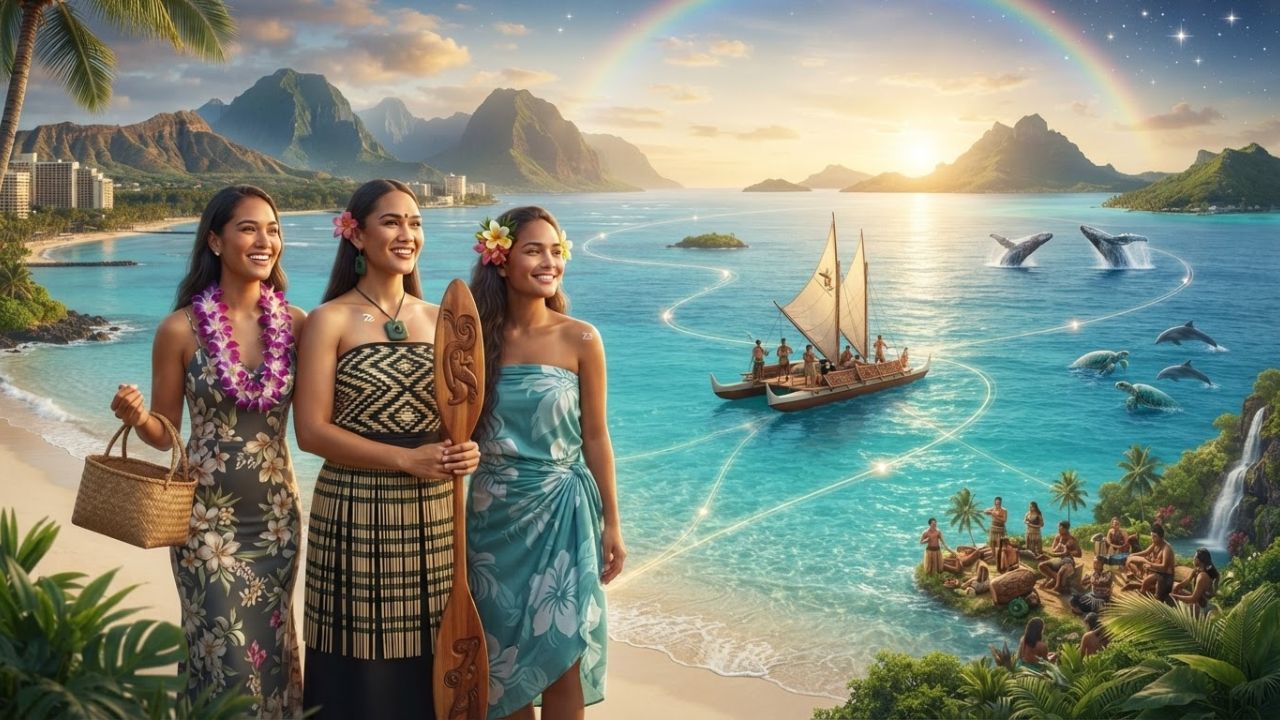
Image generated by AI
Published on July 23, 2026
Hawaii, Aotearoa New Zealand, and French Polynesia have established the Waa Kia Cultural Alliance, aiming to build a more resilient future through sustainable tourism in the Pacific. This regional partnership focuses on protecting Indigenous Polynesian traditions, ancestral navigation knowledge, and natural resources while encouraging travelers to engage in authentic, heritage-focused experiences. Visitors traveling across the Polynesian Triangle are advised to seek out eco-conscious tour operators, respect sacred cultural sites, and support community-based hospitality initiatives.
Quick Summary
- Pacific Cultural Alliance: The Waa Kia initiative connects Hawaii, New Zealand, and French Polynesia to protect Indigenous Polynesian heritage.
- Regenerative Focus: Rather than tracking visitor volume alone, the destinations prioritize community quality of life, ancestral knowledge, and eco-friendly travel.
- Deep Historical Links: The alliance builds upon centuries-old connections in language, customs, traditional navigation, and ocean voyaging.
- National Commitments: The project aligns Hawaii's regenerative tourism guidelines, New Zealand's Māori heritage conservation, and Tahiti's sustainable destination policies.
- Conscious Travel Demand: The partnership addresses a global traveler shift toward active cultural engagement and longer, experience-rich itineraries.
This regional agreement emerges as destinations across the Pacific seek to manage high visitor density while preserving their cultural authenticity. By coordinating destination management strategies, local authorities aim to demonstrate how economic growth can successfully coexist with environmental protection and cultural conservation. The alliance positions Pacific cultural identity as a primary driver of tourism development, encouraging travelers to respect local communities and contribute positively to regional wellbeing.
Event and Incident Details: Core Values of the Waa Kia Cultural Alliance
The Waa Kia Cultural Alliance brings together three key Pacific tourism bodies to coordinate destination management strategies based on shared Polynesian values. The partnership focuses on integrating traditional knowledge—such as celestial navigation, local arts, language revitalization, and environmental conservation—directly into visitor experiences.
The table below outlines the core objectives and regional strategies of the Waa Kia alliance partners:
| Destination Hub | Strategic Tourism Focus | Core Environmental & Cultural Programs |
|---|---|---|
| Hawaii | Regenerative tourism and community benefits | Educating visitors on local customs, protecting sacred sites, and funding community programs |
| New Zealand | Māori heritage and natural landscape conservation | Prioritizing historical resources before expanding tourism, and protecting regional wellbeing |
| French Polynesia | Polynesian identity and regional business support | Investing in local hospitality skills, culinary heritage, and destination management |
By aligning their policies, the three destinations aim to reduce pressure on sensitive environmental sites while creating new economic opportunities for local operators. The collaboration encourages travelers to seek out authentic cultural exchanges rather than conventional sightseeing tours.
Risk and Impact: Overtourism, Environmental Degradation, and Cultural Commercialization
Expanding tourism in fragile island environments involves specific challenges and environmental threats that travelers and local planners must manage:
- Erosion of Sensitive Sites: High visitor volume can lead to physical wear on fragile archaeological sites, ancestral structures, and coastal ecosystems.
- Loss of Cultural Authenticity: The commercialization of traditional arts, language, and customs can dilute historical narratives if not managed by Indigenous communities.
- Strains on Island Infrastructure: Remote destinations like the islands of French Polynesia face water, waste, and energy strains during peak holiday seasons.
- Displacement of Local Businesses: Mass tourism expansion can favor international hotel chains over local, family-owned lodging and transport services.
- Loss of Natural Resources: Unregulated coastal development threatens marine ecosystems, coral reefs, and native wildlife habitats.
What Authorities Are Saying: Regenerative Tourism and National Strategies
Regional tourism ministries emphasize that protecting natural and cultural assets must remain the first priority of destination development. Planners note that tourism should actively improve the quality of life for local residents. According to guidelines from the Hawaiʻi Tourism Authority official website, sustainable destination management requires educating visitors about respect for host cultures and natural resources.
Similarly, other Pacific governments are enforcing strict conservation guidelines to manage visitor impacts. Representatives from the New Zealand Department of Conservation heritage guidelines suggest that preserving historical resources must take precedence over expanding commercial facilities. In French Polynesia, officials at Tahiti Tourisme official directory report that policy focuses on building local hospitality capacity and culinary heritage, ensuring that local communities retain the financial benefits of tourism growth.
Practical Traveler Advice: Practicing Sustainable Tourism in the Pacific
For travelers planning a journey to Hawaii, New Zealand, or French Polynesia, travel experts recommend following these practical guidelines to support host communities:
- Educate Yourself before Arrival: Read about local history, Māori or Hawaiian customs, and specific rules for visiting sacred spaces before your trip.
- Choose Community-Based Operators: Support tour companies, guides, and hotels that are owned by or partner directly with Indigenous communities.
- Respect Cultural Protocols: Follow directions from local guides when visiting cultural sites, and avoid entering restricted ancestral lands.
- Minimize Environmental Footprint: Pack reusable water bottles, select reef-safe sunscreen, and stick to marked trails when exploring national parks.
- Support Local Food Systems: Dine at local restaurants and purchase hand-crafted souvenirs to ensure your spending directly supports regional families.
- Plan Longer, Slower Journeys: Extend your stay in one destination rather than hopping quickly between islands, reducing transport emissions and deepening your cultural connection.
Broader Context: Deepening Sustainable Tourism in the Pacific through Shared Polynesian History
The Waa Kia alliance is built upon a foundation of centuries-old connections between Polynesian peoples. For generations, voyagers from Hawaii, Aotearoa New Zealand, and French Polynesia navigated the Pacific Ocean using stars, ocean currents, and wind patterns. This shared heritage is visible in the close linguistic relationship between Te Reo Māori and other East Polynesian languages, as well as similar customs, crafts, and spiritual practices.
According to historical records preserved in New Zealand, Māori ancestors are widely believed to have voyaged from Raiatea in French Polynesia to Aotearoa many centuries ago. This ancestral connection continues to shape modern cooperation in marine conservation, education, and cultural exchanges. By utilizing these deep historical links, the Waa Kia partnership builds a highly authentic foundation for regional destination marketing.
Looking Ahead: Developing Local Skills, Infrastructure, and Ocean Voyaging Exchanges
Looking past the initial launch of the alliance, the three partners will focus on expanding cultural exchanges and sustainable destination planning. Future phases will include joint training programs for local guides, collaborative investments in sustainable lodging, and educational exchanges centered on traditional ocean voyaging. Agreements between Hawaiian and French Polynesian organizations will continue to coordinate heritage preservation across the Polynesian Triangle.
As the global travel market continues to prioritize wellness and authentic experiences, the Waa Kia alliance will serve as a key reference model for other regional tourism partnerships. By collaborating around shared values rather than competing solely on visitor numbers, the three destinations aim to build a highly resilient, respectful, and sustainable future. This cooperative model ensures that the unique heritage of the Pacific is protected for future generations of travelers and residents alike.
Conclusion: Emphasizing Preparedness and Vigilance
In conclusion, the Waa Kia Cultural Alliance offers an inspiring blueprint for the future of tourism, highlighting the importance of protecting Indigenous heritage and ecosystems. However, traveling responsibly through culturally sensitive destinations requires careful preparation and respect for local guidelines. By staying informed, selecting sustainable operators, and maintaining vigilance on the islands, travelers can ensure a safe, memorable, and mutually beneficial journey.
Frequently Asked Questions: Sustainable Tourism in the Pacific
What is the Waa Kia Cultural Alliance?
The Waa Kia alliance is a cultural partnership between Hawaii, New Zealand, and French Polynesia aimed at promoting sustainable heritage tourism and protecting Indigenous traditions.
How does regenerative tourism differ from traditional tourism?
Regenerative tourism focuses on improving local communities, protecting natural resources, and preserving culture, rather than simply expanding visitor volume and economic growth.
What ancestral connections do the three Pacific destinations share?
The people of Hawaii, Aotearoa New Zealand, and French Polynesia share a deep heritage rooted in traditional ocean navigation, similar languages (such as Te Reo Māori), and shared customs.
Where did Māori ancestors voyage from to reach New Zealand?
Historical traditions and academic research indicate that Māori ancestors voyaged to Aotearoa New Zealand from Raiatea in French Polynesia many centuries ago.
Related Travel Guides
- JetBlue Wins Spirit Airlines' LaGuardia Airport Slots for $58.5 Million, Strengthening Commercial Aviation in the United States: New Travel Alert
- Dominican Republic Launches Expanded Digital Travel Services in the Dominican Republic, Simplifying Airport Transfers, Lounge Access, and Local Excursions: New Travel Alert
- SkyWest Operated by United Airlines Flight SKW5697 to Aspen Diverts Back to Denver, Highlighting Safety Standards and Aircraft Diversion Protocols: New Travel Alert
Disclaimer
This article is for informational and educational purposes only. It does not constitute legal, financial, or professional advice. While we strive to provide accurate and up-to-date information, travel policies, regulations, and conditions change rapidly. Always verify information with official sources before making travel decisions. Nomad Lawyer makes no representations about the accuracy, reliability, completeness, or suitability of the information provided. Readers should consult qualified professionals for advice specific to their circumstances. The views expressed in this article are those of the author and do not necessarily reflect the views of Nomad Lawyer.
Kunal K Choudhary
Co-Founder & Contributor
A passionate traveller and tech enthusiast. Kunal contributes to the vision and growth of Nomad Lawyer, bringing fresh perspectives and driving the community forward.
Learn more about our team →