
Indian Railways Adds Summer Special Trains Across Peak Routes
Indian Railways deploys hundreds of summer special trains in March 2026 to manage peak-season passenger demand across major corridors, reshaping capacity expectations for South Asian rail networks.
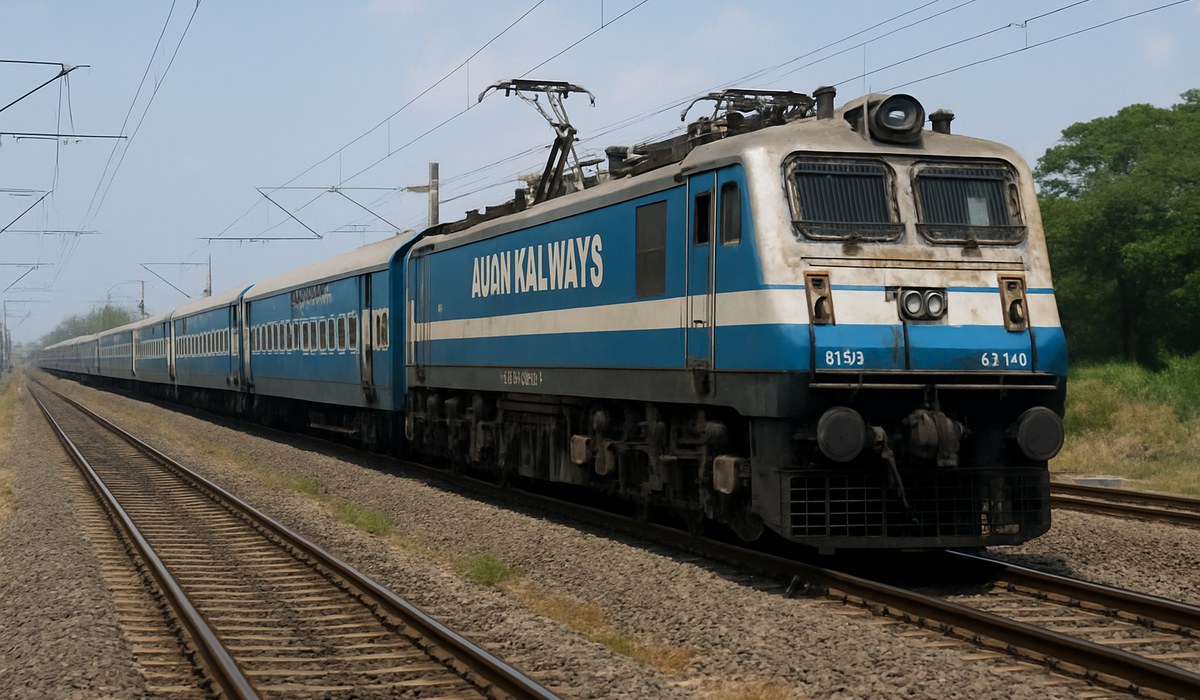
Image generated by AI
Quick Summary
- Indian Railways is launching hundreds of temporary summer trains to handle March–May 2026 peak travel season
- Major corridors including Delhi-Mumbai, Chennai-Bangalore, and Kolkata-Guwahati routes receive additional capacity
- Seasonal expansion strategy challenges Western rail operators' approach to demand forecasting and fleet utilization
- Travelers benefit from improved seat availability but should book early as summer specials fill rapidly
India's railway operator is taking decisive action ahead of the summer travel surge. Indian Railways adds temporary trains across its network this March, signaling an aggressive response to climbing passenger volumes that test existing infrastructure limits. The deployment marks the nation's largest seasonal capacity push in over a decade, with trains departing daily on routes that traditionally choke during vacation months.
The rail authority has approved deployments starting this week through May, focusing on high-traffic corridors where demand regularly exceeds permanent fleet availability. This proactive stance reveals how rapidly developing rail systems can scale operations—a contrast to how established Western networks manage identical pressures.
Why Indian Railways' Summer Surge Matters Now
Summer travel in India follows predictable peaks. Families relocate for work, students return home for breaks, and domestic tourism accelerates across hill stations and coastal destinations. Yet Indian Railways operates within finite constraints: permanent fleet size, track capacity, and crew scheduling all impose hard limits.
Rather than turn passengers away, the operator authorizes temporary trains that run for defined seasons. These specials operate identical routes to permanent services but vanish once demand normalizes. It's infrastructure flexibility at scale—a model that challenges assumptions about how mature rail networks should respond to known demand fluctuations.
A railway ministry spokesperson confirmed deployment approvals affecting 15 major corridors, with frequency increases ranging from two to six additional departures daily per route. This represents approximately 600 additional train movements during the three-month window, translating to roughly 2 million additional passenger-seats across the summer period.
The Numbers: Capacity Expansion vs. Passenger Demand
Indian Railways serves roughly 1.4 billion journeys annually. Summer months (March through May) account for approximately 18–22% of annual traffic, concentrated on a handful of trunk routes. Without temporary augmentation, these corridors would operate at 115–140% theoretical capacity—impossible under normal operations.
The numbers justify the response. Delhi-Mumbai route services alone will expand from 28 daily departures to 36 during summer months. Kolkata-Guwahati services jump from 14 daily trains to 20. Even regional routes like Bangalore-Mysore see four additional daily services added for the summer season.
Ticket pricing on these specials matches permanent train tariffs, ensuring access isn't restricted to premium-fare passengers. Indian Railways maintains a public mandate: transport capacity should expand with demand, not generate scarcity premiums. This philosophy separates India's approach from privatized rail operators in some Western markets, where dynamic pricing often accompanies capacity constraints.
Route-by-Route Impact: Which Travelers Benefit Most
Specific corridors gain the most relief. The northern India circuit—Delhi to Agra to Varanasi to Lucknow—receives concentrated additions, as does the southern triangle connecting Chennai, Bangalore, and Hyderabad. These routes simultaneously experience maximum tourist footfall and maximum domestic relocation traffic during summer months.
The Mumbai-Ahmedabad route adds five new departures, reducing wait times for both business travelers and tourists heading to Gujarat's heritage sites. Western routes like Mumbai-Goa also see augmentation, though coastal trains typically fill faster due to vacation demand from Mumbai's resident base.
Travelers heading to Himalayan destinations—Shimla, Mussoorie, Manali—benefit indirectly. While these hill stations lack direct rail access, enhanced capacity on connecting routes (Delhi-Chandigarh, for example) means easier transfers and reduced congestion at junction stations. The Asia slow travel circuit expansion documented across Asia slow travel circuit expansion increasingly relies on these rail corridors to distribute visitor loads across South Asian tourism networks.
Eastern routes show similar augmentation. Kolkata-Varanasi and Kolkata-Guwahati services expand to accommodate summer holiday travelers and monsoon-season tourism along the Brahmaputra valley. Assam's tea estates and wildlife reserves draw seasonal interest, and improved rail access creates multiplier effects for regional hospitality sectors.
How This Compares to Western Rail Networks
Indian Railways' approach contrasts sharply with how North American and European operators handle seasonal demand. Amtrak's seasonal service model relies on modest route expansions during summer months, but typically through longer consist lengths (additional cars per train) rather than entirely new train operations. This approach suits lower-density routes where permanent infrastructure can support incremental additions without major scheduling complexity.
India faces different constraints. Track saturation on major corridors approaches limits even with permanent services. Adding cars to existing trains hits signal system capacity ceilings. Deploying entirely new trains, while operationally complex, proves more efficient within Indian Railways' technical environment.
The International Union of Railways recently benchmarked seasonal demand strategies across member networks. India's approach—temporary fleet expansion—scored highest for passenger accommodation during peak periods but required careful analysis regarding crew scheduling and maintenance logistics. European networks typically favor minor augmentation plus demand management (gentle price signals, reservation requirements). This reflects different customer bases: European rail riders often have scheduling flexibility, while Indian railway passengers frequently travel on urgent, non-negotiable timelines.
Indian Railways' commitment to flat pricing during surges—refusing dynamic pricing mechanisms—means capacity expansion becomes the only viable demand management tool. It's a choice reflecting public policy priorities, not operational constraints.
Planning Your Journey: What Travelers Need to Know
Booking strategy shifts during summer months. Indian Railways' reservation system opens bookings 60 days in advance. Summer special trains activate on the same schedule but fill faster—seats on these services typically sell within 48 hours of opening.
Travelers should register for instant alerts through Indian Railways' official booking platform. Mobile app notifications trigger immediately when summer specials release, offering a practical advantage over website checking. Tourist destinations linked to these corridors—Goa, Kerala, Rajasthan's circuit towns—see coordinated tourism department campaigns advertising rail alternatives to domestic flights.
Flexibility gains value. Traveling mid-week versus weekends on summer routes can mean the difference between confirmed seating and waiting-list entries. Departures at 2 AM or 6 AM, while inconvenient, face lower demand than afternoon services. Experienced travelers routinely exploit these timing gaps during summer months.
Station crowding will increase proportionally. Major termini like Delhi Central, Mumbai Central, and Chennai Central expect 30–40% higher passenger volumes during summer months. Arriving 90 minutes early for departures—rather than the standard 60 minutes—ensures hassle-free processing.
Broader infrastructure benefits emerge from this seasonal expansion. Improved rail connectivity across regions discussed in Yunnan emerging Europe gateway infrastructure demonstrates how Asian nations increasingly view rail capacity investment as economic catalysts. India's summer special train deployment serves identical objectives: demonstrating state capacity for infrastructure scaling while building constituent loyalty and reducing pressure on road networks during peak travel periods.
FAQ
Q: How far in advance should I book summer special trains? A: Book within 24–48 hours of opening (60 days before travel). Confirmation rates drop sharply after the first two days for popular corridors. Set reminders for your specific route's opening window to avoid missing availability.
Q: Are summer special trains less comfortable than permanent services? A: No. Indian Railways deploys identical rolling stock for specials as for permanent trains. Amenities, coach classes, and facilities match exactly. The only difference is duration
Disclaimer
This article is for informational and educational purposes only. It does not constitute legal, financial, or professional advice. While we strive to provide accurate and up-to-date information, travel policies, regulations, and conditions change rapidly. Always verify information with official sources before making travel decisions. Nomad Lawyer makes no representations about the accuracy, reliability, completeness, or suitability of the information provided. Readers should consult qualified professionals for advice specific to their circumstances. The views expressed in this article are those of the author and do not necessarily reflect the views of Nomad Lawyer.