
Aviation Updates: Desperate Travelers Abandon Chaotic Airports for Historic Indian Mountain Railways as Flight Cancellations Paralyze Regional Hubs
As severe airport disruptions and sudden flight cancellations suffocate regional aviation, domestic travelers are seeking refuge aboard India's iconic toy trains to completely escape the rolling travel chaos.

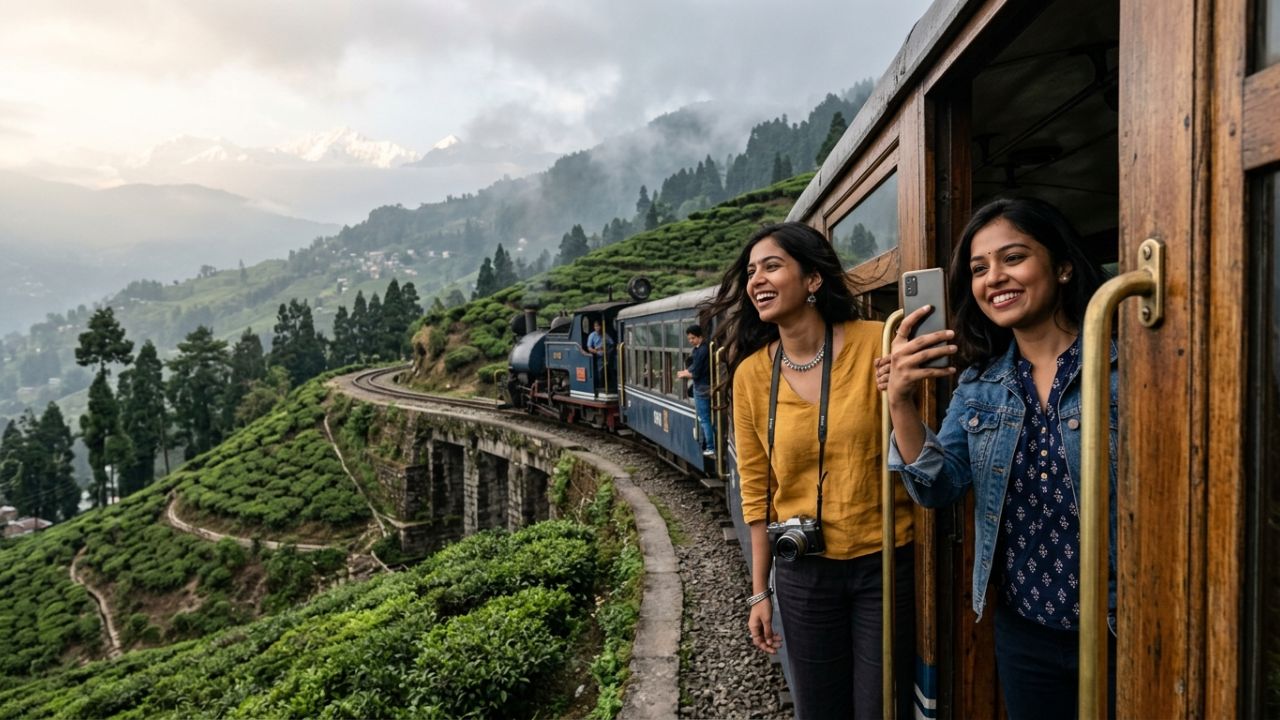
Image generated by AI
Aviation Updates: Desperate Travelers Abandon Chaotic Airports for Historic Indian Mountain Railways as Flight Cancellations Paralyze Regional Hubs
As incredibly severe terminal gridlock and massive regional airline network failures completely suffocate the primary aviation gateways across the subcontinent, tens of thousands of desperate domestic passengers are escaping terrifying travel chaos by pivoting rapidly to India's iconic narrow-gauge mountain railways, utilizing these colonial-era engineering marvels across West Bengal, Maharashtra, Tamil Nadu, and Himachal Pradesh to completely bypass collapsing regional airspace.
While incredibly exhausted domestic passengers desperately navigate an incredibly brutal peak travel season defined by rolling flight cancellations and severe, localized airport disruptions, a massive, highly strategic shift in national mobility is actively stabilizing the absolute highest levels of Indian commercial tourism. According to the absolute latest breaking airline news and verified transport intelligence, domestic travelers are increasingly abandoning volatile regional air routes in favor of highly reliable, deliberately slow surface transport. In direct response to the massive surge in airborne volatility, tourists and locals alike are flocking to India's historic toy train journeys. Desperate to ensure that severe, localized regional air gridlock does not completely destroy their highland retreats, passengers are trading the agonizing uncertainty of modern aviation for carefully engineered rail routes that climb from lowland plains into high-altitude settlements. At the time of reporting, authorities confirmed that these preserved heritage corridors continue to operate with stunning reliability, allowing passengers to completely bypass the agonizing delays of modern commercial flying.
This highly critical operational shift explicitly exposes the fragile nature of regional airspace not just as a vital transit feed, but as a heavily congested, deeply fragile capacity zone prone to sudden, catastrophic failure. By violently overwhelming ground handling crews and regional aircraft rotation schedules, systemic aviation breakdowns are directly driving massive travel chaos. Because traditional legacy transit nodes frequently suffer from severe tarmac congestion leading to massive, unannounced communication breakdowns, these historic mountain railways serve as an absolute lifeline. They completely bypass the terrifying logistical nightmares of the sky, representing a highly structural safety net that forces travelers to embrace a slow, steady pace through shifting landscapes, perfectly substituting the intense anxiety of delayed flights with an enduring scenic travel experience.
Aviation Updates: The Shift from Sky to Mountain Rail
This massive, highly structural shift in regional network stability perfectly illustrates the intense, incredibly fragile nature of modern domestic mobility.
According to highly detailed, official aviation updates, this strategic railway resurgence was explicitly triggered by sustained passenger demand as travelers desperately seek alternatives to airborne volatility. The sheer density of this demand applies across the most heavily congested tourist sectors, effectively shifting the outbound flow toward historic rail arteries. Because regional airports are increasingly crippled by rolling travel chaos stemming from systemic aircraft shortages and severe weather constraints in the hills, funneling massive passenger volumes through mountain airports is currently a massive logistical gamble. Travelers have brilliantly neutralized this massive breakdown by booking passage on these historic narrow-gauge networks. This massive consistency prevents a unified tourism collapse, instead generating a severe, highly reliable alternative that ripples successfully across the entire national traffic system, directly securing vital paths connecting the agricultural plains to the mist-laden highlands.
Section-Wise Breakdown: Navigating the Preserved Corridors
The sudden, massive evolution of these critical transit demands actively impacts several incredibly distinct, highly sensitive operational dynamics spanning multiple historic routes.
The Darjeeling Himalayan Railway Rescue
At the absolute core of this massive operational pivot is the intense demand originating in West Bengal. The Darjeeling Himalayan Railway remains one of India’s most recognizable mountain rail systems, operating since the late 19th century. As regional airports face severe airport disruptions, this tightly wound network of curves and steep gradients reliably connects the lowland plains with Darjeeling. The route’s engineering design is spectacularly visible at the Batasia Loop. The section between Darjeeling and Ghum is particularly notable for its condensed mountain scenery, allowing travelers to completely escape the anxiety of modern flight cancellations aboard heritage-era locomotives.
The Kalka–Shimla and Kangra Valley Alternatives
The ultimate execution of this massive transit shift heavily targets the northern foothills of Himachal Pradesh. The Kalka–Shimla Railway climbs from the Shivalik foothills to Shimla. Covering just under 100 kilometers, it is distinguished by a dense sequence of tunnels, viaducts, and stone bridges that allow the line to negotiate sharp elevation changes, completely avoiding the airspace congestion above. Similarly, the Kangra Valley Railway stretches from Pathankot to Joginder Nagar. Unlike steeper railways, it maintains a relatively gentle gradient, offering stunning views of the Dhauladhar range and providing a perfectly reliable transit model independent of volatile regional aviation networks.
The Southern and Western Lifelines
The final strategic maneuvers in this highly destructive failure of regional aviation heavily involve the southern and western ranges. In Tamil Nadu, the Nilgiri Mountain Railway connects Mettupalayam with Ooty using a brilliant rack-and-pinion mechanism to ascend extreme gradients. Its distinctive blue-and-cream coaches traverse humid plains up to cooler high-altitude terrain. In Maharashtra, the Matheran Hill Railway connects Neral with Matheran, a hill station notable for its strict restriction on motor vehicles. The railway climbs into the Western Ghats, offering an isolated, unhurried journey that perfectly contrasts the brutal reality of commercial aviation delays.
Train Details and Verified Connectivity Impact Matrix
To fully understand the exact structural parameters of this massive performance shift and how passengers are desperately attempting to navigate complex regional travel demands, the following matrix explicitly details the operational heritage railways directly serving as disruption bypasses.
Confirmed Heritage Mountain Railway Matrix
| Heritage Railway Network | Regional Origin & Destination | Engineering / Ecological Profile |
|---|---|---|
| Darjeeling Himalayan Railway | Plains to Darjeeling (West Bengal) | Batasia Loop / Steep Gradients |
| Kalka–Shimla Railway | Shivalik Foothills to Shimla (Himachal) | ~100km / Tunnels & Viaducts |
| Nilgiri Mountain Railway | Mettupalayam to Ooty (Tamil Nadu) | Rack-and-Pinion Mechanism |
| Matheran Hill Railway | Neral to Matheran (Maharashtra) | Western Ghats / No Motor Vehicles |
| Kangra Valley Railway | Pathankot to Joginder Nagar (Himachal) | Gentle Gradient / Dhauladhar Range |
Data explicitly reflects the massive, highly structural operational corridors currently stabilizing the domestic tourism gateways, directly preventing a massive mobility collapse.
Passenger Impact: The Relief from Aviation Stress
For the highly demanding passengers actively engaged in this massive domestic mobility crisis, traditional, highly anticipated peak air travel is currently viewed as completely terrifying and incredibly unpredictable.
The immediate consequence of these massive railway adoptions is measured in the tens of thousands of passengers successfully displacing themselves from heavily congested airport terminals. Passengers fleeing massive flight cancellations are forced to seek alternative arrangements, suffering intense anxiety regarding regional flights into mountainous terrain. By utilizing these toy trains, travelers are effectively preserving an established travel framework that has endured for over a century. Travelers are completely shielded from the sudden out-of-pocket expenses for airport dining and ruined itineraries. The slow, deliberate pace through pine forests and tea-covered slopes translates into continued reliability, ensuring that tourists and locals experience absolutely no disruption in access to high-altitude settlements.
Industry Analysis: The Economics of Systemic Preservation
Transport structural analysts strictly point out that this massive, multi-national operational pivot perfectly illustrates the extreme, highly vital importance of preserving historic, heavily optimized capacity management across all transit platforms.
Mobility data explicitly indicates that massive domestic populations are absolutely desperate to secure reliable movement to actively combat the terrifying reality of airspace saturation. These narrow-gauge railways were constructed to solve geographical challenges during the colonial era, and their continued operation proves their absolute resilience. They preserve older engineering approaches while offering uninterrupted access to landscapes that have changed far less than the world around them. Until expanded airport infrastructure stabilizes the regional aviation market, relying on deeply fragile air traffic systems completely destroys the reliance on scheduled vacations, forcing passengers to adopt historic surface rail as the absolute primary mode of survival.
Conclusion: A Highly Reliable Domestic Future
The massively evolving infrastructure dynamics directly defining the integration of massive passenger volume into the historic toy train network violently reflect a much broader, highly critical structural transformation currently dominating how Indian commercial transit is physically managed in 2026.
Rather than violently forcing massive domestic traffic through deeply congested, highly restricted, delay-prone legacy air networks, global travelers must actively reconsider routing via heritage rail to completely eliminate the need for massive buffer times. As these iconic railways aggressively secure connectivity across the nation, travelers actively navigating the incredibly busy sector must absolutely remain highly vigilant. To actively survive potential travel chaos this season, passengers must aggressively monitor all breaking aviation updates, actively secure their railway bookings well in advance, and perfectly understand that escaping modern airport disruptions fundamentally requires accepting that slow, reliable surface transport is currently the absolute best defense against a rolling aviation failure.
Key Takeaways
- Massive Transport Pivot: Passengers desperately fleeing massive flight cancellations are increasingly utilizing India's historic narrow-gauge mountain railways to access high-altitude settlements.
- Vital Corridors Protected: Critical heritage routes including the Darjeeling, Kalka-Shimla, Nilgiri, Matheran, and Kangra Valley railways remain fully operational and highly reliable.
- Engineering Marvels: The railways utilize rack-and-pinion mechanisms, dense tunnels, and strategic loops to negotiate extreme elevation changes completely independent of volatile airspace.
- Bypassing Aviation Gridlock: The sustained passenger demand is heavily driven by travelers seeking scenic, stress-free alternatives to regional airspace congestion and sudden terminal gridlock.
- Passenger Survival Strategy: Travelers are aggressively urged to secure their heritage rail bookings immediately to actively guarantee transit and completely bypass the ongoing aviation travel chaos.
Related Travel Guides
Massive UAE Visa Bombshell: Strict New 30-Day Escape Window Announced
Travel Chaos Cripples Spain as Iberia and Ryanair Suffer 1,079 Delays
Disclaimer
This article is for informational and educational purposes only. It does not constitute legal, financial, or professional advice. While we strive to provide accurate and up-to-date information, travel policies, regulations, and conditions change rapidly. Always verify information with official sources before making travel decisions. Nomad Lawyer makes no representations about the accuracy, reliability, completeness, or suitability of the information provided. Readers should consult qualified professionals for advice specific to their circumstances. The views expressed in this article are those of the author and do not necessarily reflect the views of Nomad Lawyer.
Preeti Gunjan
Contributor & Community Manager
A passionate traveller and community builder. Preeti helps grow the Nomad Lawyer community, fostering engagement and bringing the reader experience to life.
Learn more about our team →