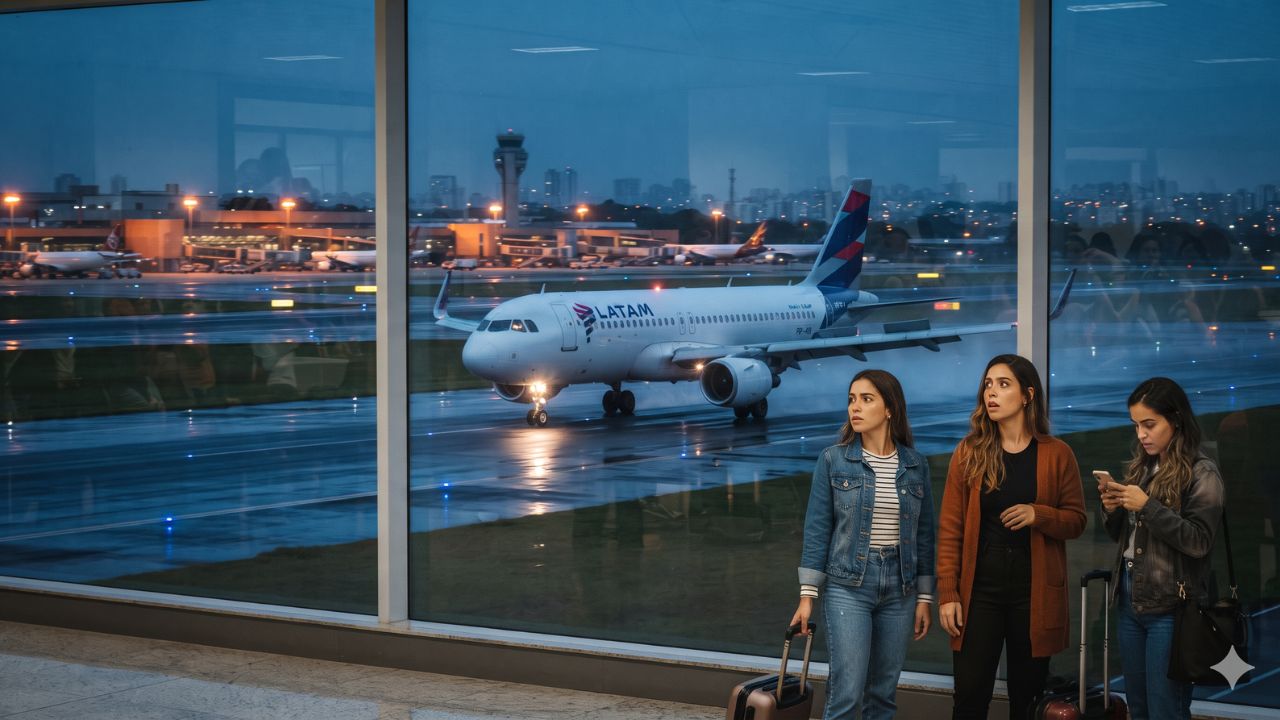
India Winter Travel and Flight Outages: SpiceJet Booking Glitch and DGCA Refund Rules Guide 2026-2027


India recorded an unprecedented 4.287 billion domestic tourist visits in 2025—a massive 45.5% annual jump from 2.95 billion in 2024—illustrating the sheer scale of the subcontinent's holiday migration. As millions prepare for peak Christmas and New Year departures across western beaches, Himalayan foothills, and heritage capitals, a reported digital outage on the booking platform of budget carrier SpiceJet on November 27, 2026, focused attention on the reliability of aviation infrastructure during peak winter demand.
While direct official confirmation regarding the outage duration, affected passenger counts, and restoration times remains unverified, the incident highlights risks travelers face when digital channels falter. With pre-paid hotels, cab transfers, and tour itineraries tied to flight times, digital booking glitches demand clear safeguards and an understanding of consumer protections.
Assessing India's Winter Travel Economy and Digital Reliability
India's winter holiday season coincides with major cultural festivals, religious gatherings, and family reunions. During this high-stakes corridor, airline reservation platforms serve as the foundation of entire trip itineraries. When access to seat assignments, web check-in, and reservation lookups drops, travelers risk missing pre-booked connections.
However, verified industry evidence demonstrates that the November 27 glitch did not cause nationwide tourism losses or widespread flight cancellations. Flight operations continued at major airports including Delhi, Mumbai, and Bengaluru, showing that reservation interface issues do not necessarily halt physical departures.
Official tourism performance data released by the Ministry of Tourism reveals significant contrasts between domestic expansion and international travel inflows:
| Tourism Performance Metric | 2025 Performance Level | Year-over-Year Change | Strategic Travel Implication |
|---|---|---|---|
| Domestic Tourist Visits | 4.287 billion | +45.5% | Massive demand driven by events like Kumbh Mela |
| Foreign Tourist Visits | 25.27 million | +21.4% | Continued interest in regional heritage circuits |
| Foreign Tourist Arrivals | 9.15 million | −8.07% | Inbound leisure contraction from overseas markets |
| International Tourist Arrivals | 20.22 million | −1.71% | Slight reduction in overall cross-border arrivals |
| Tourism Foreign Exchange Earnings | US$31.69 billion | −9.5% | Lower international expenditures despite domestic growth |
The 45.5% surge in domestic tourist visits underlines how heavily local hospitality providers depend on steady flights. Because domestic visits include multi-trip travel rather than individual travelers, flight disruptions trigger ripple effects across regional tour operators and hotels.
Understanding Modified UDAN and Aviation Expansion Plans
To improve connectivity across underserved regions, the Indian government continues funding regional air transport infrastructure through the Modified UDAN initiative. On March 25, 2026, the Union Cabinet sanctioned a historic budget allocation to build secondary aviation hubs across remote terrains.
The approved package spans a ten-year operational timeline, covering financial years 2026–27 through 2035–36. The table below outlines key components of this regional aviation push:
| Aviation Initiative Component | Cabinet Approved Allocation | Ten-Year Target | Regional Focus |
|---|---|---|---|
| Total Program Funding | ₹28,840 crore | FY 2026–27 to 2035–36 | Nationwide regional accessibility |
| Airports for Development | 100 regional airports | Modernized facilities | Remote tier-2 and tier-3 cities |
| Modern Helipad Network | 200 operational helipads | Mountain & island links | Uttarakhand, Himachal, Northeast |
| Viability Gap Funding | ₹10,043 crore | Subsidized airline routes | Incentivizing regional carrier routes |
This multi-year capital deployment aims to link travelers directly to cultural and biodiversity havens recognized by the UNESCO World Heritage Centre, including Kaziranga National Park in Assam and the Western Ghats. However, physical runway construction must be supported by resilient digital servers and payment gateways to ensure smooth ticketing.
DGCA Passenger Rights and Mandatory Refund Rules
When booking portals fail, travelers frequently attempt duplicate bookings or face unexpected cancellations. To protect consumers, the Directorate General of Civil Aviation (DGCA) revised passenger refund rules on February 24, 2026, with regulations taking effect on March 26, 2026.
Key passenger protections under the revised DGCA charter include:
- Seven-Day Credit Card Refunds: Airlines must process eligible ticket refunds back to credit cards within seven calendar days of claim submission.
- Fourteen-Day Portal & Agent Processing: When tickets are purchased through third-party travel agencies or online travel portals, airlines must ensure refunds are finalized within 14 working days.
- 48-Hour Zero-Fee Booking Amendment: Passengers booking directly on airline portals benefit from a 48-hour correction window immediately following purchase. Within this period, travelers can amend travel details or cancel qualifying tickets without cancellation penalties, provided the flight departure date meets carrier timing criteria and any fare differential is covered.
- Compensation Limits During Website Downtime: A temporary website outage does not automatically entitle passengers to statutory flight delay compensation unless physical flights are cancelled or delayed beyond established DGCA delay brackets.
Visitor Insider Tips: Navigating Indian Holiday Travel
- Store Offline PNR and Payment Receipts: Never rely on live smartphone browser tabs at airport gates. Download PDF copies of your flight tickets, booking reference codes (PNR), hotel vouchers, and payment receipts before setting out.
- Never Re-Book Blindly After Payment Dropouts: If an airline payment gateway times out without displaying a confirmation screen, check your banking app first. If funds have been deducted, avoid initiating a duplicate booking immediately; contact airline customer support with transaction reference numbers to verify ticket generation.
- Allow Generous Airport Buffers for Winter Fog: North Indian winter flights—particularly into Delhi, Jaipur, Amritsar, and Lucknow—face severe seasonal fog disruptions during December and January. Arrive at terminal gates at least three hours prior to domestic departures.
- Verify Direct Hotel Cancellation Windows: When booking boutique heritage properties in Rajasthan or jungle lodges in Madhya Pradesh, select rate plans offering free cancellation up to 48 hours prior to arrival, protecting your funds if flight schedules shift.
Cultural and Environmental Context: Managing India's Tourism Influx
With domestic visits surpassing 4.28 billion, India's popular destinations face severe environmental pressures. Fragile Himalayan valleys and coastal zones experience heavy resource strain during winter peaks.
Sustainable exploration requires conscious dispersal. Visiting secondary cultural centers—such as Bishnupur's terracotta temples, Bhimbetka's rock art, or Puducherry—helps distribute tourism income beyond crowded hotspots. Choosing locally owned homestays and supporting regional artisans protects cultural heritage while respecting community resources.
FAQ: Visiting India During Winter 2026-2027
Does an airline website outage mean flights are grounded?
No. An online booking system outage does not indicate grounded aircraft. Airport operations, gate assignments, and scheduled flights proceed independently of external web servers.
How quickly must airlines issue refunds under DGCA rules?
Under revised DGCA regulations, eligible credit card refunds must be completed within seven days. Bookings through agents or portals must be refunded within 14 working days.
Can I change my domestic flight ticket for free in India?
Yes, eligible direct bookings can be corrected or cancelled without fee penalties within 48 hours of purchase, subject to departure timeline rules and fare differentials.
Do foreign tourists need a visa to visit India?
Yes. International travelers require a valid Indian visa or Electronic Travel Authorization (e-Visa), secured online through official government portals prior to departure.
Prudent booking habits and verified regulatory safeguards allow travelers to explore India’s historic wonders with confidence throughout the peak winter season.
Related Travel Guides
This article is for informational purposes. Flight routes, passenger regulations, visa rules, and transit advisories are subject to change by airlines and aviation authorities. Readers are advised to verify schedules and travel documentation with relevant carriers and border agencies before departure.
Related Stories

Japan Airlines Flight JL287 Turnback: Tokyo Haneda to Izumo Wind Disruption Guide 2026

Utair Flight UT731 Diversion: St Petersburg to Baku Passenger Rights Guide 2026