
India Travel Weather: Severe Hailstorms and Thunderstorms to Disrupt Journeys March 2026
India travel weather faces major disruptions as IMD issues severe thunderstorm and hailstorm warnings for March 2026, affecting road, rail, and air travel nationwide with immediate safety advisories.

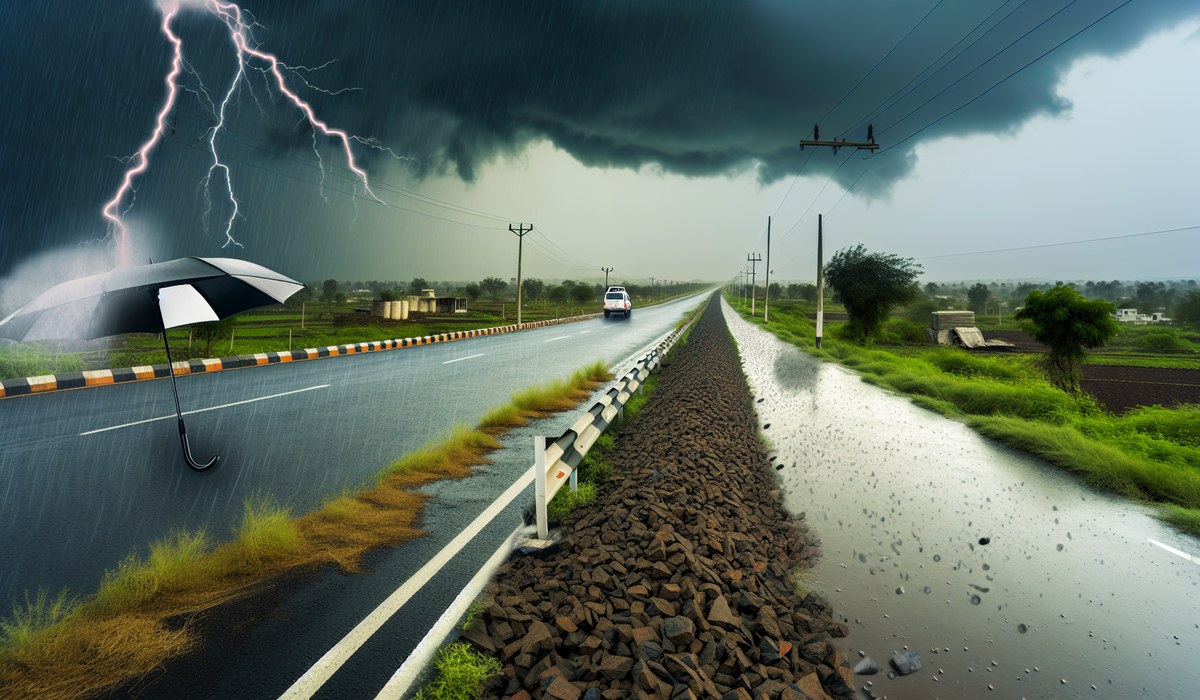
Image generated by AI
Quick Summary
- India Meteorological Department (IMD): Issued severe thunderstorm and hailstorm warnings effective March 19, 2026 across multiple Indian states
- Impact: Nationwide travel disruptions expected for road, rail, and air passengers with potential flight delays and highway closures
- Traveler Action: Check IMD regional forecasts before departure and monitor airline notifications for schedule changes
- What's Next: Weather systems expected to intensify through March 21, 2026 with continued monitoring across northern and central regions
India Meteorological Department (IMD) has activated severe weather protocols as thunderstorms, hailstorms, and gusty winds threaten to disrupt india travel weather conditions nationwide starting March 19, 2026. The alert affects major transportation corridors across northern, central, and eastern states, prompting immediate advisories for domestic and international travelers planning journeys through affected regions during this critical weather window.
IMD Issues Multi-State Severe Weather Warning for March 2026
The India Meteorological Department confirmed on March 19, 2026 that atmospheric conditions have created a volatile weather pattern producing severe thunderstorms with hail, gusty surface winds exceeding 50 kilometers per hour, and intense lightning activity. IMD's warning specifically targets Uttar Pradesh, Madhya Pradesh, Rajasthan, Punjab, Haryana, and Delhi NCR through March 21, 2026. The agency has classified this as a "severe weather event" requiring heightened caution for all surface and air transportation. Aviation authorities have coordinated with IMD to implement contingency protocols at major airports including Indira Gandhi International Airport (DEL), Chaudhary Charan Singh International Airport (LKO), and Jaipur International Airport (JAI). Travel industry stakeholders received advanced notification to adjust schedules and reroute services where necessary to minimize passenger inconvenience during this india travel weather disruption.
How Hailstorms Will Impact Road and Rail Travel Networks
Road travel faces the most significant disruption as hailstorms create hazardous driving conditions across India's extensive highway system. The National Highways Authority of India (NHAI) has stationed emergency response teams along critical routes including NH-44, NH-48, and the Yamuna Expressway. Hailstones measuring 2-3 centimeters in diameter can shatter windshields, damage vehicle exteriors, and reduce visibility to less than 50 meters within minutes. Indian Railways has issued advisories for 47 express and passenger trains operating through affected zones, with anticipated delays ranging from 30 minutes to 3 hours depending on storm intensity. The Northern Railway zone confirmed it has activated weather monitoring stations every 50 kilometers along vulnerable sections between New Delhi and Lucknow. Travelers using state transport buses should expect schedule modifications as operators prioritize passenger safety over punctuality during peak storm hours between 2:00 PM and 8:00 PM IST when convective activity typically intensifies.
Aviation Sector Prepares for Thunderstorm-Related Flight Disruptions
Major Indian airlines including IndiGo, Air India, and SpiceJet have activated severe weather protocols affecting domestic and international flight operations. Delhi's Indira Gandhi International Airport, India's busiest aviation hub handling over 1,300 daily movements, expects operational restrictions during thunderstorm passages that could cascade delays across the entire network. Airlines have proactively issued travel waivers allowing passengers with flights scheduled between March 19-21, 2026 to reschedule without change fees. Meteorological conditions producing hailstorms also generate severe turbulence, forcing pilots to request alternate flight paths that increase fuel consumption and journey times. Air traffic controllers at Mumbai (BOM), Bengaluru (BLR), and Hyderabad (HYD) airports are coordinating diversion strategies should northern airports temporarily suspend operations. The Directorate General of Civil Aviation (DGCA) has mandated that all carriers maintain minimum fuel reserves 20% above standard requirements to accommodate potential holding patterns or diversions during this volatile india travel weather period.
Regional Breakdown: Which States Face Highest Travel Risk
Uttar Pradesh emerges as the highest-risk state with 18 districts under severe alert including Lucknow, Kanpur, Agra, and Varanasi—all significant tourist and business destinations. Madhya Pradesh's capital Bhopal and commercial center Indore face similar threats affecting road connections to neighboring states. Rajasthan's eastern districts including Jaipur, Ajmer, and Bharatpur lie directly in the forecast path, potentially disrupting visitors to heritage sites during peak tourist season. Punjab and Haryana agricultural belts expect crop damage alongside travel complications, with Chandigarh serving as a critical junction experiencing service interruptions. Delhi NCR's 20 million residents face compound challenges as urban flooding often accompanies severe hailstorms, paralyzing metro services and creating traffic gridlock within hours. The IMD's warning extends to parts of Bihar, Jharkhand, and West Bengal where thunderstorms without hail will still produce dangerous lightning and wind gusts. Travelers with bookings in these regions should consult state tourism department advisories for real-time updates on attraction closures and accommodation accessibility during the weather event.
Safety Protocols and Emergency Response Measures Activated
State disaster management authorities have deployed rapid response teams across predicted impact zones with particular focus on highway rescue operations. The National Disaster Response Force (NDRF) positioned 12 specialized units equipped for swift water rescue and medical evacuation in Uttar Pradesh and Madhya Pradesh. Emergency services advise travelers caught in active hailstorms to immediately seek solid shelter, avoid standing under trees or near windows, and wait at least 30 minutes after the last thunder before resuming travel. Hotels and guesthouses in affected areas have received instructions to maintain emergency power supplies and stockpile essentials for potentially stranded guests. Insurance providers remind travelers that severe weather coverage typically requires documentation including official weather warnings and carrier cancellation notices. The Ministry of Home Affairs has activated its integrated emergency communication system allowing travelers to report distress through the national helpline 112 with GPS-enabled location tracking. Medical facilities along major transportation corridors have increased staffing to handle potential trauma cases from weather-related accidents during this critical india travel weather emergency.
Key Data: India Weather Warning Impact March 2026
| Weather Parameter | Specification | Travel Impact |
|---|---|---|
| Affected States | 8 primary states (UP, MP, RJ, PB, HR, DL, BR, JH) | 350+ million residents in disruption zones |
| Hailstone Diameter | 2-3 centimeters | Vehicle damage, visibility under 50 meters |
| Wind Gusts | 50-65 km/h sustained | Flight delays, highway closures, billboard hazards |
| Warning Duration | March 19-21, 2026 | 72-hour elevated risk period |
| Flights Potentially Affected | 1,800+ daily movements | Delays averaging 45-90 minutes at peak |
| Railway Services Impacted | 47 express/passenger trains | Delays 30 minutes to 3 hours |
| Airports on Alert | 9 major hubs (DEL, LKO, JAI, AMD, BLR, BOM) | Alternate routing, holding patterns, diversions |
| Emergency Response Teams | 12 NDRF units deployed | Highway rescue, medical evacuation capacity |
What This Means for Travelers
Travelers with plans across northern and central India between March 19-21, 2026 should take immediate preparatory action:
-
Verify flight status directly through airline apps rather than relying on scheduled times, as weather-related changes may occur with minimal advance notice during active storm cells.
-
Build 3-4 hour buffer time into ground transportation schedules, particularly for airport transfers and intercity travel, as highway conditions can deteriorate rapidly during hailstorm passages.
-
Download offline maps and emergency contact information since cellular networks may experience overload or weather-related outages in rural areas along travel routes.
-
Secure comprehensive travel insurance that explicitly covers weather-related trip interruptions, and carry digital copies of policy documents accessible without internet connectivity.
-
Monitor IMD regional warnings hourly during travel days rather than relying on morning forecasts, as thunderstorm systems can develop or intensify within 30-45 minutes across affected zones.
-
Pack essential medications, phone chargers, and snacks in carry-on luggage anticipating potential extended delays in airports or highway service areas during weather disruptions.
Frequently Asked Questions
How long will severe hailstorms affect india travel weather conditions in March 2026? The India Meteorological Department forecasts active severe weather including hailstorms from March 19 through March 21, 2026, with peak intensity expected during afternoon and evening hours between 2:00 PM and 8:00 PM IST. Travelers should plan around these high-risk windows when thunderstorm development reaches maximum convective potential across affected northern and central states.
Which airports face the highest cancellation risk during this india travel weather event? Indira Gandhi International Airport (DEL) in Delhi carries the highest disruption probability handling 1,300+ daily flights, followed by Lucknow (LKO), Jaipur (JAI), and Ahmedabad (AMD). Airlines have issued travel waivers for flights operating through these hubs between March 19-21, 2026, allowing passengers to reschedule without penalties if storms force operational suspensions.
Are trains safer than road travel during severe hailstorms in India? Indian Railways maintains dedicated weather monitoring and can reduce speeds to maintain safety, whereas highway drivers face sudden visibility drops and hailstone impact damage. However, rail delays of 30 minutes to 3 hours are common during severe thunderstorms. Neither mode eliminates risk entirely—travelers should prioritize departure timing outside peak storm hours (mid-afternoon through evening) regardless of transportation choice.
Will travel insurance cover trip cancellations due to this india travel weather warning? Coverage depends on specific policy terms and when insurance was purchased. Policies bought after IMD issued the warning (March 19, 2026) typically exclude "known events" from coverage. Existing comprehensive policies usually cover weather-related delays exceeding specified thresholds (commonly 6-12 hours) and require official documentation including weather service warnings and carrier cancellation notices for successful claims.
Related Travel Guides
India Monsoon Travel Safety: Complete Regional Guide 2026
Emergency Protocols for Travelers in India: Weather and Health Advisories
Northern India Highway Travel: Route Planning and Safety Tips
Disclaimer
Information compiled from India Meteorological Department bulletins, Directorate General of Civil Aviation advisories, and Ministry of Home Affairs disaster management updates as of March 19, 2026. Weather forecasts involve inherent uncertainty and conditions may change rapidly. Travelers should verify current conditions directly with the India Meteorological Department, airlines, railway operators, and local authorities before commencing journeys. Always prioritize personal safety over schedule adherence during severe weather events. This article serves informational purposes only—verify all travel arrangements with your airline, hotel, and transportation providers before departure.
Disclaimer
This article is for informational and educational purposes only. It does not constitute legal, financial, or professional advice. While we strive to provide accurate and up-to-date information, travel policies, regulations, and conditions change rapidly. Always verify information with official sources before making travel decisions. Nomad Lawyer makes no representations about the accuracy, reliability, completeness, or suitability of the information provided. Readers should consult qualified professionals for advice specific to their circumstances. The views expressed in this article are those of the author and do not necessarily reflect the views of Nomad Lawyer.
Raushan Kumar
Founder & Lead Developer
Full-stack developer with 11+ years of experience and a passionate traveller. Raushan built Nomad Lawyer from the ground up with a vision to create the best travel and law experience on the web.
Learn more about our team →