
India's Post-Monsoon Travel Surge: Seven Stunning Destinations to Explore Before the Winter Rush
Discover India's top 7 post-monsoon destinations: Goa, Meghalaya, Ladakh, Spiti Valley, Hampi, Udaipur & Rishikesh before the winter rush.

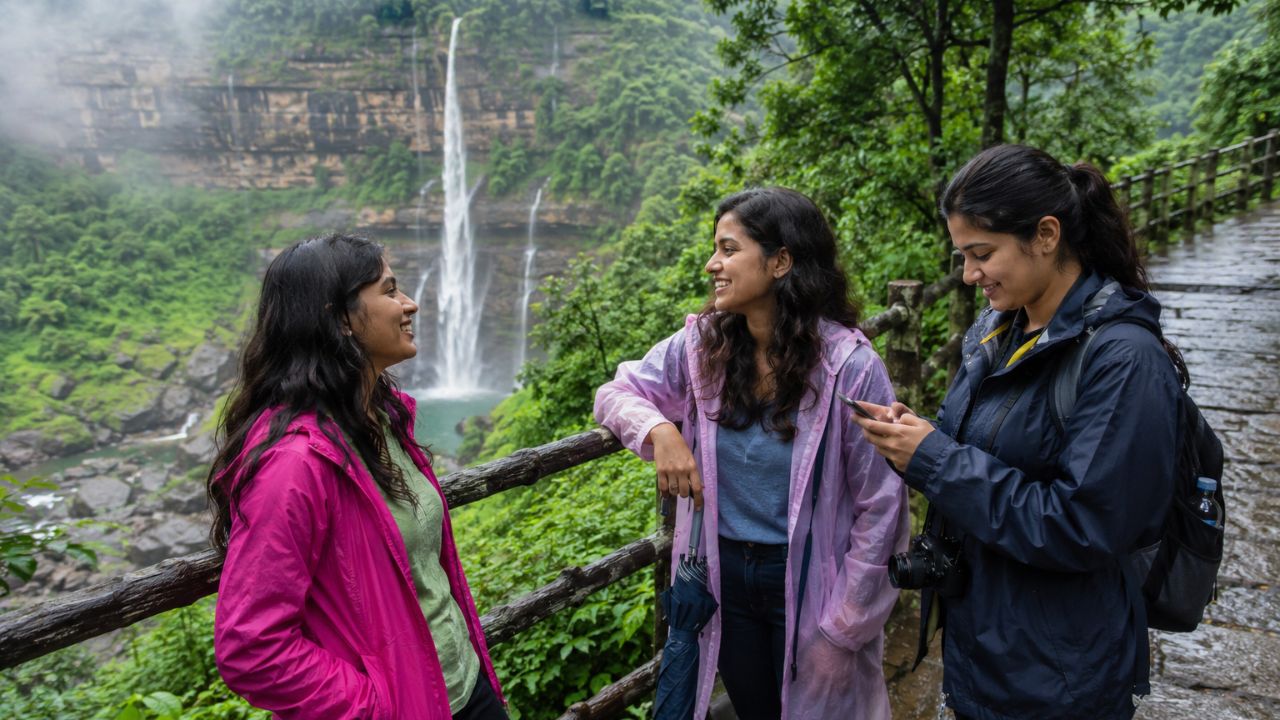
Image generated by AI
As monsoon rains recede across the Indian subcontinent, shoulder-season travelers are flocking to seven premier destinations—Goa, Meghalaya, Ladakh, Spiti Valley, Hampi, Udaipur, and Rishikesh—to experience lush landscapes and thinner crowds ahead of the winter travel rush.
NEW DELHI, India — The post-monsoon transition window between September and November is emerging as one of India's most advantageous travel periods. As rain clouds clear to reveal lush green mountain valleys, full-flowing waterfalls, and refreshed lake systems, domestic and international travelers are increasingly taking advantage of this shoulder season before peak winter holiday crowds arrive in December.
Industry surveys indicate that modern travelers are prioritizing experience-based journeys, flexible road trips, and cultural immersion over peak-season sightseeing, making post-monsoon travel across North, West, South, and Northeast India an ideal choice.
The Rise of Post-Monsoon Shoulder Season Travel Across India
Traditional travel patterns across India are evolving. Rather than limiting trips to summer school vacations or peak December holiday windows, travelers are actively choosing the weeks immediately following the monsoon.
This post-monsoon shoulder window offers distinct practical advantages:
- Favorable Weather & Vibrant Nature: Temperatures cool down after summer heat, while landscapes remain at their greenest and rivers and waterfalls operate at maximum volume.
- Reduced Visitor Congestion: Famous heritage sites, hill stations, and coastal resorts experience significantly lower crowd density compared to the peak winter season.
- Competitive Pricing: Hotels, boutique homestays, and tour operators offer attractive shoulder-season rates before winter pricing spikes take effect.
- Enhanced Outdoor Conditions: Clearer post-rain skies provide optimal visibility for Himalayan photography, road trips, and outdoor trekking.
Overview of India's Seven Top Post-Monsoon Destinations
The table below outlines the seven featured post-monsoon destinations, their geographic region, primary travel focus, key natural highlights, and ideal traveler profiles:
| Destination | State / UT | Primary Travel Focus | Key Post-Monsoon Highlight | Ideal Traveler Profile |
|---|---|---|---|---|
| Ladakh | Ladakh UT | High-altitude road trips & culture | Clear Himalayan vistas & open passes | Bikers, road trippers & photographers |
| Spiti Valley | Himachal Pradesh | Remote trans-Himalayan adventure | Uncrowded valley roads & monastery peace | Offbeat explorers & slow travelers |
| Goa | Goa | Coastal relaxation & food culture | Quiet beaches & emerald countryside | Couples, foodies & nature seekers |
| Hampi | Karnataka | UNESCO heritage & boulder terrain | Green landscapes surrounding Vijayanagara ruins | History buffs, backpackers & cyclists |
| Udaipur | Rajasthan | Palatial heritage & lakeside leisure | Full lake water levels & pleasant evenings | Luxury travelers, couples & culture lovers |
| Rishikesh | Uttarakhand | Adventure sports & holistic wellness | Active river rafting & green valley trails | Adventure seekers & wellness enthusiasts |
| Meghalaya | Meghalaya | Rainforest eco-tourism & waterfalls | Cascading waterfalls & living-root bridges | Eco-tourists, hikers & nature lovers |
1. Ladakh: High-Altitude Himalayan Road Trips and Clear Mountain Vistas
Located in the far north, Ladakh stands as one of the world's most spectacular high-altitude destinations. Following the retreat of monsoon clouds across northern India, the Himalayan skies clear, offering breathtaking visibility across dramatic mountain ranges, high passes like Khardung La, and high-altitude lakes such as Pangong Tso and Tso Moriri.
The post-monsoon period before late-autumn freezing weather is ideal for long-distance motorcycle expeditions and overland road trips. Travelers can explore ancient Tibetan Buddhist monasteries—including Thiksey, Hemis, and Diskit—and visit remote Nubra Valley villages while enjoying comfortable day temperatures and uncrowded mountain highways.
2. Spiti Valley: Remote Trans-Himalayan Exploration and Monastery Trails
Spiti Valley in Himachal Pradesh offers a rugged trans-Himalayan retreat for travelers seeking quiet exploration. Characterized by stark high-altitude deserts, centuries-old monasteries like Key and Dhankar, and traditional mud-brick villages, Spiti reveals its dramatic beauty following the monsoon.
With post-rain road maintenance completed, travelers can navigate the winding mountain passes of Kunzum La and Rohtang with improved driving conditions. Spiti rewards visitors who embrace slow travel, offering peaceful stargazing, local homestay hospitality, and trekking routes through untouched alpine landscapes.
3. Goa: Quiet Coastlines, Heritage Villages, and Lush Countryside
Goa during the post-monsoon months of September and October provides a serene alternative to its bustling winter season. As sea conditions stabilize, the coastal state transitions into a lush tropical haven characterized by green paddy fields, flowing inland rivers, and quiet golden beaches.
This shoulder period is ideal for exploring Goa beyond its nightlife reputation. Visitors can take heritage walking tours through Latin Quarter neighborhoods in Fontainhas (Panaji), visit spice plantations in Ponda, explore spice-scented inland villages, sample authentic Goan Saraswat and Catholic cuisine, and enjoy uncrowded beach sunsets along Palolem, Morjim, and Mandrem.
4. Hampi: Vijayanagara Empire Heritage Amid Post-Rain Boulder Fields
Hampi in Karnataka, a UNESCO World Heritage site featuring the ruins of the 14th-century Vijayanagara Empire, becomes visually striking after the rains. The dramatic landscape of giant granite boulders, banana plantations, and the Tungabhadra River is enhanced by fresh greenery.
Visitors can rent bicycles or scooters to explore ancient stone temples, royal enclosures, and the iconic Vittala Temple stone chariot at a relaxed pace. Hampi’s social backpacking culture across the river in Anegundi provides a welcoming environment for independent travelers, artists, and history enthusiasts.
5. Udaipur: Peaceful Lake Views and Refreshed Palatial Heritage
Udaipur, Rajasthan’s famous "City of Lakes," undergoes a scenic transformation following the monsoon. Rainwater refills major water bodies—including Lake Pichola, Fateh Sagar Lake, and Swaroop Sagar—creating picturesque reflections against the Aravalli Hills and historic Rajput palaces.
Post-monsoon travelers can tour the grand City Palace complex, enjoy sunset boat cruises, explore historic havelis, and dine at lakeside rooftop restaurants without enduring intense summer heat or peak winter crowds. Udaipur’s calm post-rain atmosphere makes it an attractive choice for heritage lovers and couples.
6. Rishikesh: Himalayan River Rafting, Trekking, and Yoga Retreats
Situated along the foothills of the Himalayas in Uttarakhand, Rishikesh offers an ideal combination of outdoor adventure and holistic wellness. Following the conclusion of the heavy monsoon flow, white-water rafting operations resume on the Ganges River, featuring world-class rapids framed by forested hills.
The post-rain autumn climate is equally suited for trekking to waterfalls like Neer Garh, attending evening Ganga Aarti ceremonies at Triveni Ghat, and participating in yoga, meditation, and Ayurveda retreats. Rishikesh attracts modern travelers seeking physical activity alongside mental relaxation.
7. Meghalaya: Living-Root Bridges, Mist-Covered Hills, and Cascading Waterfalls
Meghalaya in Northeast India represents the ultimate post-monsoon green escape. Known as the "Abode of Clouds," the state’s famous waterfalls—such as Nohkalikai, Seven Sisters, and Krang Suri—operate at peak volume following heavy seasonal rains.
Travelers visiting Cherrapunji (Sohra), Dawki, and Mawlynnong can hike through dense subtropical forests to discover centuries-old bio-engineered living-root bridges built by the indigenous Khasi and Jaintia tribes. The clear post-monsoon air provides sweeping views across green gorges, deep caves, and crystal-clear rivers.
Why This Matters for Domestic and International Travelers in India
For domestic and international travelers, booking a post-monsoon trip across India between September and November delivers superior travel value. Luxury heritage hotels in Rajasthan, coastal resorts in Goa, and wellness retreats in Uttarakhand frequently offer shoulder-season discounts ranging from 20 to 40 per cent compared to peak December rates.
For regional tourism economies, expanding shoulder-season travel extends employment opportunities for local guides, drivers, homestay owners, and artisans outside traditional peak months.
Furthermore, traveling during this window allows visitors to experience India's natural and cultural landscapes in their most authentic, uncrowded state.
Practical Travel Guidance for India's Post-Monsoon Months
Travelers planning a post-monsoon journey across India should follow these practical recommendations:
- Monitor Mountain Highway Conditions: When traveling to high-altitude Himalayan regions like Ladakh or Spiti Valley, check current road advisories for passes like Khardung La and Kunzum La before setting out.
- Pack Layered Clothing: Post-monsoon weather features warm, sunny days and cool evenings, particularly in hill stations and desert regions; carry light jackets and rain shells.
- Reserve Shoulder-Season Resort Deals: Take advantage of early-bird shoulder rates at boutique heritage properties and beach resorts before winter pricing takes effect in November.
- Support Local Eco-Tourism: Choose community-run homestays and local guides in Meghalaya, Ladakh, and Hampi to ensure travel spending directly benefits host communities.
FAQ
Which months constitute India's post-monsoon travel season?
The post-monsoon travel window spans from September through November, representing the shoulder season between the summer rains and the peak winter travel rush.
Why is Goa recommended after the monsoon?
Post-monsoon Goa offers quiet beaches, green countryside, lush spice plantations, comfortable weather, and lower resort rates before winter crowds arrive in December.
What unique attractions can travelers see in Meghalaya post-monsoon?
In Meghalaya, post-monsoon travelers can witness dramatic waterfalls operating at peak flow, explore living-root bridges, hike through green rainforests, and boat on the crystal-clear Umngot River in Dawki.
Are high-altitude road trips to Ladakh and Spiti safe post-monsoon?
Yes, September and early October offer clear skies and stable road conditions across Himalayan passes in Ladakh and Spiti before heavy winter snow causes seasonal road closures.
Related Travel Guides
Disclaimer
This article is for informational and educational purposes only. It does not constitute legal, financial, or professional advice. While we strive to provide accurate and up-to-date information, travel policies, regulations, and conditions change rapidly. Always verify information with official sources before making travel decisions. Nomad Lawyer makes no representations about the accuracy, reliability, completeness, or suitability of the information provided. Readers should consult qualified professionals for advice specific to their circumstances. The views expressed in this article are those of the author and do not necessarily reflect the views of Nomad Lawyer.
Raushan Kumar
Founder & Lead Developer
Full-stack developer with 11+ years of experience and a passionate traveller. Raushan built Nomad Lawyer from the ground up with a vision to create the best travel and law experience on the web.
Learn more about our team →