
India and Iran Expand Bilateral Tourism Deal Linking Heritage Circuits, Chabahar Port, and Medical Travel
India and Iran launch a major tourism initiative establishing heritage travel circuits, air links, Chabahar transit routes, and medical travel.

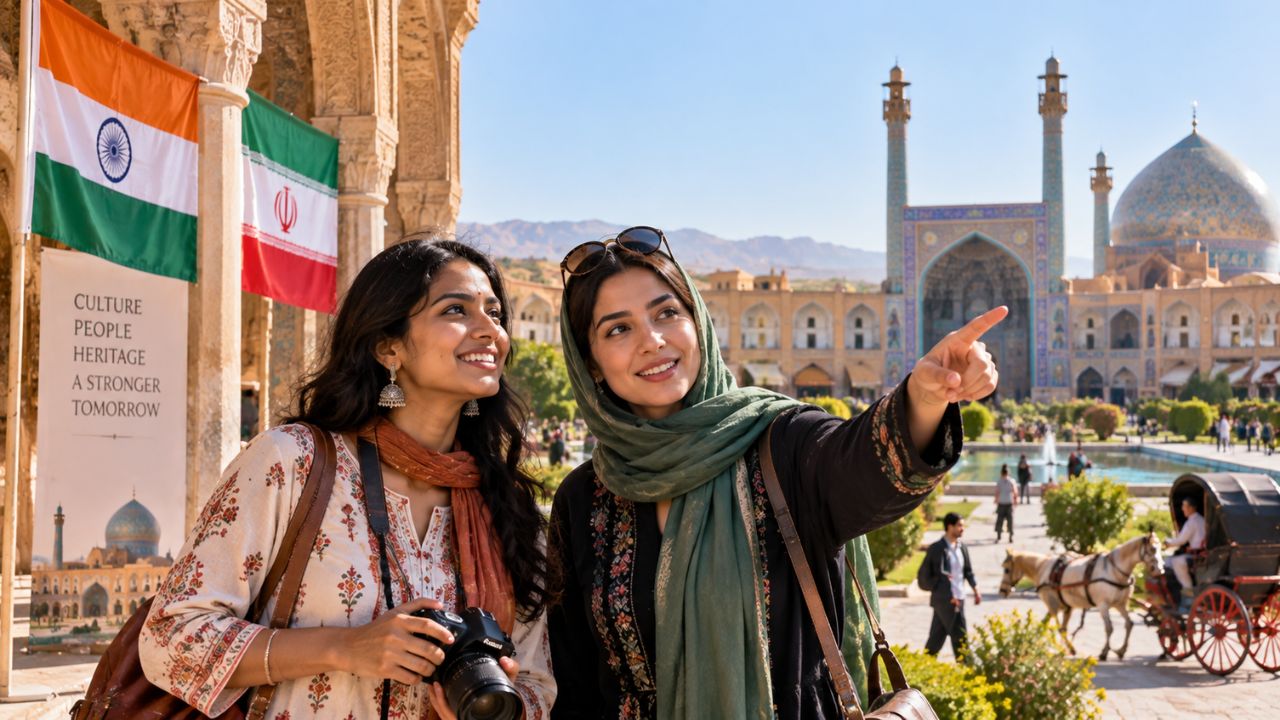
Image generated by AI
NEW DELHI, India — India and Iran have launched a comprehensive bilateral tourism initiative to expand cultural heritage travel, enlarge direct air connectivity, and establish Chabahar Port as a regional transit gateway between South, Central, and West Asia.
Announced following bilateral discussions at Rashtrapati Bhavan in New Delhi between Iranian President Dr. Masoud Pezeshkian and President of India Droupadi Murmu, the agreement builds on momentum generated during the 18th BRICS Summit. By linking ancient Persian and Indian civilizational landmarks, both governments seek to expand leisure travel, medical tourism, student exchanges, and corporate MICE (Meetings, Incentives, Conferences, and Exhibitions) events across regional markets.
Ancient Civilizational Links Drive Joint Heritage Travel Circuits
A core pillar of the partnership leverages shared historical, architectural, and artistic connections between Persian civilization and Indian heritage sites.
Tourism boards in both countries are developing joint itineraries that highlight Persian architectural influences across northern and central India alongside UNESCO World Heritage sites in Iran. Planned initiatives include academic exchange programs, museum partnerships, and joint international marketing campaigns promoting civilizational tourism circuits.
| Tourism Cooperation Sector | Strategic Focus Area | Targeted Travel Outcome |
|---|---|---|
| Civilizational Heritage | Joint UNESCO & architectural routes | Cross-border heritage itineraries for history travelers |
| Air & Maritime Connectivity | Direct flight routes & Chabahar Port links | Reduced travel complexity & expanded regional corridors |
| Medical & Wellness Travel | Special Healthcare Access | Increased Iranian patient inflow to Indian hospitals |
| MICE & Business Travel | Trade summits & corporate forums | Growth in commercial travel & hospitality investment |
| People-to-People Exchange | University & student travel programs | Academic exchanges & streamlined visa support |
Chabahar Port Gateway Opens Regional Travel Corridors
Beyond direct air travel expansion between major metropolitan hubs, the strategic development of Iran's Chabahar Port is taking center stage as a regional transit corridor.
Connecting South Asia with Central Asia and West Asian markets, Chabahar offers infrastructure opportunities for multi-country overland travel, coastal tourism, and trade-related journeys. Positioned along key maritime routes, the transit hub is expected to support business travel corridors while enabling adventure and cultural overland expeditions across Eurasia.
| Regional Connectivity Corridor | Operational Focus | Multi-Market Tourism Impact |
|---|---|---|
| Chabahar Maritime Hub | Port infrastructure & coastal transit | Gateway connecting South Asia to Central & West Asia |
| Direct Air Corridors | Airline route expansion between capital hubs | Increased flight frequencies connecting New Delhi & Tehran |
| Overland Trade & Travel | Regional transport network integration | Multi-country heritage and business travel routes |
Medical and Wellness Tourism Surge Expected for Indian Hospitals
Medical travel represents a high-growth sector within the bilateral agreement. India’s advanced healthcare infrastructure, specialized surgical centers, and competitive treatment costs continue to attract international patients across the region.
The agreement establishes formal administrative channels between health agencies and travel management companies, facilitating medical visas and dedicated hospital care packages for Iranian citizens. Healthcare visitors contribute significantly to local hospitality economies by requiring extended hotel stays, transport services, and family accompaniment accommodations.
| Healthcare Sector Focus | Implementation Strategy | Economic Contribution |
|---|---|---|
| Specialized Treatments | Surgical care & hospital partnerships | Increased medical patient arrivals to Indian medical hubs |
| Wellness & Recovery | Integrated traditional & modern therapies | Extended stays at specialized wellness retreats |
| Patient Logistics | Dedicated medical visa & transport assistance | Revenue generation for local hotels, dining, and transit |
Business Travel and MICE Expansion Aligned With BRICS Goals
Diplomatic engagement under the BRICS framework is fostering corporate travel opportunities. Discussions between both leaderships emphasized regional stability, freedom of navigation, and secure commercial shipping routes as prerequisites for sustainable tourism growth.
The partnership encourages hospitality investments, joint trade exhibitions, and corporate conferences, driving MICE tourism growth for hotel chains, convention centers, and destination management companies in both nations.
| Corporate Sector Initiative | Target Tourism Impact |
|---|---|
| Bilateral Trade Exhibitions | Increased business delegate travel and hotel room bookings |
| Hospitality Investment Forums | Joint venture investments in hotel and resort infrastructure |
| Maritime Route Security | Restored traveler and commercial transport confidence |
Why This Matters: Practical Impact for International Travelers
For global travelers, the strengthening of India-Iran relations creates accessible pathways to explore ancient heritage circuits connecting South and West Asia. Improved flight connectivity and Chabahar transit options streamline multi-country itineraries for history enthusiasts, business delegates, and medical travelers.
From a geopolitical perspective, utilizing BRICS diplomatic momentum to expand tourism demonstrates how shared civilizational heritage can serve as a catalyst for economic growth, infrastructure development, and regional stability.
FAQ: India-Iran Tourism Deal and Connectivity (2026)
What was agreed during President Pezeshkian's visit to India?
Iranian President Masoud Pezeshkian and Indian President Droupadi Murmu agreed to expand bilateral tourism through joint heritage travel circuits, improved air links, medical travel support, and Chabahar Port transit integration.
How does Chabahar Port fit into the tourism strategy?
Iran's Chabahar Port serves as a strategic transit gateway connecting South Asia with Central and West Asia, enabling regional multi-country itineraries, coastal travel, and business corridors.
What healthcare options are included under medical tourism cooperation?
The deal streamlines medical visas and administrative logistics for Iranian patients seeking specialized medical treatments, surgeries, and wellness therapies at Indian hospitals.
How does the 18th BRICS Summit relate to this agreement?
The bilateral discussions coincided with the 18th BRICS Summit in New Delhi, leveraging regional diplomatic platforms to promote trade, secure commercial routes, and boost MICE corporate travel.
Related Travel Guides
Disclaimer
This article is for informational and educational purposes only. It does not constitute legal, financial, or professional advice. While we strive to provide accurate and up-to-date information, travel policies, regulations, and conditions change rapidly. Always verify information with official sources before making travel decisions. Nomad Lawyer makes no representations about the accuracy, reliability, completeness, or suitability of the information provided. Readers should consult qualified professionals for advice specific to their circumstances. The views expressed in this article are those of the author and do not necessarily reflect the views of Nomad Lawyer.
Kunal K Choudhary
Co-Founder & Contributor
A passionate traveller and tech enthusiast. Kunal contributes to the vision and growth of Nomad Lawyer, bringing fresh perspectives and driving the community forward.
Learn more about our team →