
Spain Dominates Global Tourism: €135B Revenue Milestone
Spain welcomed 97 million visitors in 2025, generating €135 billion in tourism revenue. Learn how this European powerhouse now rivals Italy, UK, and France in redefining global travel benchmarks.

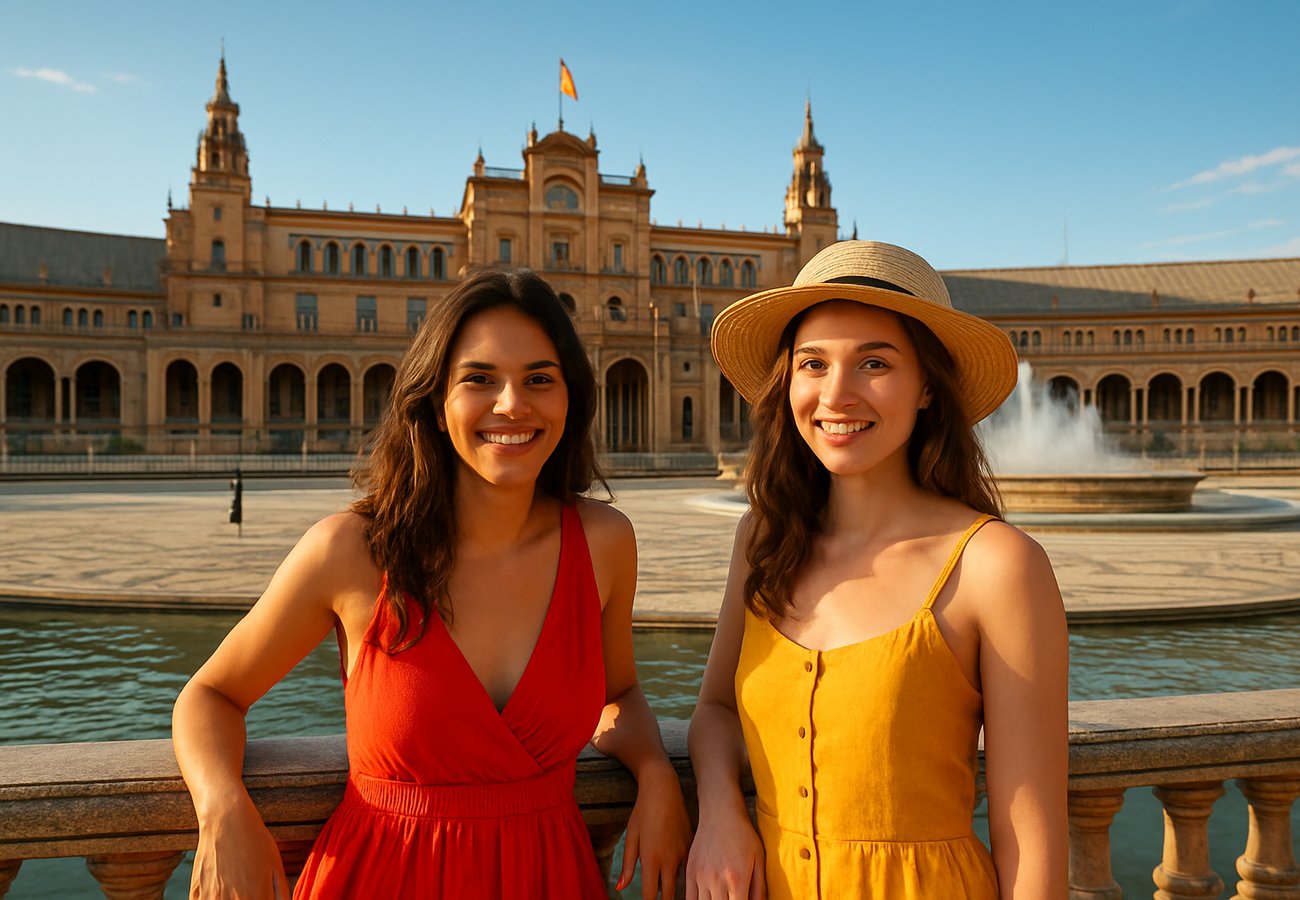
Image generated by AI
Spain Just Rewrote the Global Tourism Rulebook—And the Numbers Are Staggering
Spain didn't just break tourism records in 2025. It fundamentally reshaped what a mature destination looks like in the modern travel economy.
Nearly 97 million international visitors flooded Spanish borders last year. But here's what separates Spain from casual tourism success: visitor spending exploded to approximately €135 billion—a figure that outpaced arrival growth by a significant margin. This isn't volume tourism anymore. This is what happens when a destination masters the art of attracting higher-value travelers.
Spain has now joined an elite tier of global tourism powers—Italy, United Kingdom, Germany, France, Switzerland, Belgium—that are redefining what tourism success actually means in 2026. And unlike the pre-pandemic playbook, it's not about chasing every possible visitor. It's about engineering premium experiences that command premium spending.
The Math That Matters: Why Spain's 2025 Numbers Changed Everything
The traditional tourism metric—visitor arrival counts—has become almost irrelevant. Spain proved this in one fiscal year.
In 2025, Spain welcomed its highest-ever international visitor count. Yet the spending surge far outpaced the arrival increase. That gap? That's the entire strategy.
Reddit: "Spain used to compete on beaches and low prices. Now they're competing on experience and value. It's a completely different game." — r/travel
The numbers translate into early 2026 momentum that's difficult to overstate: over 17.5 million visitors in Q1 2026 alone, with more than €25 billion in spending. That's roughly €1,400 per visitor in the first quarter—a metric that would make most tourism boards weep with envy.
The Source Market Reality: Where Spain's €135 Billion Actually Comes From
Spain's tourism diversification isn't theoretical. It's mapped across specific high-value markets that each contribute distinct spending patterns and travel behaviors.
The European Core
The United Kingdom remains Spain's single largest inbound market. British travelers have provided Spain with consistent volume and substantial spending on accommodation, dining, and entertainment across every region—from coastal resorts to inland heritage cities.
Germany consistently ranks in Spain's top three source countries. German visitors travel year-round, naturally boosting winter and shoulder-season demand. They've become Spain's anchor for sustainable tourism, outdoor activities, and wellness packages—segments that command premium pricing.
France operates as a neighboring powerhouse. Short breaks and extended holidays from French tourists maintain robust tourism flow from Western Europe, supported by proximity and cultural affinity that drives repeat visitation.
The Premium Spenders
Switzerland contributes a disproportionately high revenue stream. Swiss travelers prioritize luxury stays, spa retreats, and mountain experiences—segments where per-night rates exceed standard European averages by 40-60%.
The United States long-haul recovery has been extraordinary. U.S. travelers to Spain spend significantly more per trip than most European counterparts, with documented interest in cultural tourism and heritage experiences that fuel high-end accommodation and dining sectors.
Gulf Region Visitors—particularly from the United Arab Emirates and Qatar—bring documented high average spending. These markets specifically target luxury resorts, bespoke cultural experiences, and exclusive stays that command premium pricing.
The Long-Haul Surge
Mexico represents Spain's strongest Latin American connection. Mexican travelers leverage language affinity and cultural heritage interest, driving both leisure and premium travel demand.
Canada has emerged as an underestimated long-haul source. Canadian visitors typically stay longer and spend more per trip, supporting Spain's premium hotel sector and experiential tourism segments.
Brazil and Argentina are accelerating their presence. These markets traditionally favor gastronomic tourism, heritage experiences, and cultural immersion—all high-margin tourism categories.
China and Japan—while not yet fully recovered to pre-pandemic levels—represent historically heavy spenders. Japanese visitors are particularly noted for high per-trip expenditure on cultural tourism and gastronomy.
What This Actually Means for the Global Tourism Landscape
Spain's achievement isn't isolated. It signals a fundamental shift in how mature destinations now compete.
Volume Is Dead. Value Is King.
The days of competing for sheer visitor numbers are over. Spain deliberately pivoted toward attracting travelers willing to spend €1,400+ per visit. This strategy works because it attracts visitors with longer stays, premium accommodation preferences, and cultural engagement that generates secondary spending across dining, attractions, and experiences.
Seasonality Is Being Engineered, Not Endured
Traditional beach destinations lived and died by summer months. Germany, France, and Nordic countries have taught Spain something different: diversified attractions (wellness, cultural, gastronomic) create year-round demand. Q1 2026's €25 billion figure proves winter tourism is no longer a consolation prize.
Geographic Diversification Reduces Risk
Spain's reliance on no single source market reduces vulnerability. The UK provides volume. Switzerland and the Gulf provide premium spending. Latin America provides long-haul recovery. North America provides high per-trip expenditure. This portfolio approach stabilizes revenue even when individual markets fluctuate.
Premium Experiences Command Premium Pricing
Spain's €135 billion revenue on 97 million visitors breaks down to roughly €1,391 average spending per visitor. This figure is only achievable through strategic positioning around heritage experiences, culinary tourism, wellness retreats, and cultural immersion—categories that inherently support higher room rates, guided tour premiums, and dining expenditure.
The Competitive Implication: Why Every Other Destination Is Taking Notes
Spain's 2025 performance has effectively become the new benchmark against which mature European destinations measure themselves. International tourism recovery reports from UNWTO now reference Spain's spending-per-visitor metrics as aspirational rather than exceptional.
Italy faces pressure to match Spain's spending-per-visitor despite similar arrival numbers. The United Kingdom (as a destination, not just a source market) must compete with Spain's diversified attractions strategy. France and Germany (as destinations) now operate in a competitive environment where volume advantages disappear if spending-per-visitor metrics don't follow.
This creates a cascading effect: destinations globally are shifting strategy away from arrival competition toward spending-per-visitor optimization. Budget airlines, mass-market tourism operators, and volume-focused strategies are becoming liability rather than asset.
What Travelers Actually Book When Spain Succeeds at This Scale
The €135 billion revenue figure isn't equally distributed. It concentrates in specific segments:
Premium Accommodation (€4,000-€15,000 per night stays) absorbs roughly 30-35% of revenue despite representing perhaps 8-12% of visitor volume. Swiss, Gulf, and North American high-end travelers drive this segment.
Guided Cultural Tourism (€150-€400 per person per day) captures heritage-focused visitors from the US, Canada, and Northern Europe. This segment emphasizes organized experiences over self-guided tourism.
Gastronomy and Fine Dining (€80-€250 per meal) accounts for substantial secondary spending. Japanese and German visitors particularly concentrate spending here.
Wellness and Spa Tourism (€2,000-€6,000 per week) thrives in Spanish regions with natural thermal resources and luxury wellness infrastructure. Swiss and Nordic travelers drive this.
Experiential Tourism (wine tours, cooking classes, cultural immersion programs) commands €100-€300 per experience. This segment shows strong repeat visitation from European neighbors.
The Strategic Takeaway: How Spain Actually Did This
Spain didn't stumble into these numbers. Strategic execution includes:
Connectivity Infrastructure: Direct flight routes to major source markets (US, Gulf, Latin America) reduced friction for long-haul travelers. Strategic airport investments at regional hubs (Barcelona, Madrid, Valencia, Seville, Málaga) distributed demand geographically.
Destination Diversification: Moving beyond beach tourism meant developing culinary, wellness, heritage, and cultural attractions across interior regions. This naturally extends visitor stays and increases spending-per-visitor.
Premium Positioning: Deliberate messaging shifts to European luxury publications, Gulf-market travel concierge services, and North American heritage tourism platforms. Budget tourism marketing was actively de-emphasized.
Seasonal Experience Engineering: Winter festivals, thermal spa seasons, and cultural events transformed shoulder seasons from liability to distinct tourism products.
Regional Distribution: Spreading tourism revenue beyond Barcelona and Costa del Sol reduced congestion and increased per-visitor spending in undervisited regions where accommodation and services are less commoditized.
Looking at Q1 2026: The Momentum Continues
Early 2026 figures suggest Spain hasn't plateaued. 17.5 million visitors and €25 billion spending in Q1 projects to roughly €100 billion for the full year—below 2025's peak but delivered in a context where visitor numbers may actually decline while spending-per-visitor increases further.
This is the opposite of most tourism recovery patterns. Spain is intentionally trading volume for value.
Spain didn't reinvent tourism—it just proved that mature destinations can be more profitable on fewer visitors.
Related Travel Guides
Disney Cruise Line Tightens Alcohol and Decoration Policies June 2026
Disclaimer
This article is for informational and educational purposes only. It does not constitute legal, financial, or professional advice. While we strive to provide accurate and up-to-date information, travel policies, regulations, and conditions change rapidly. Always verify information with official sources before making travel decisions. Nomad Lawyer makes no representations about the accuracy, reliability, completeness, or suitability of the information provided. Readers should consult qualified professionals for advice specific to their circumstances. The views expressed in this article are those of the author and do not necessarily reflect the views of Nomad Lawyer.
Kunal K Choudhary
Co-Founder & Contributor
A passionate traveller and tech enthusiast. Kunal contributes to the vision and growth of Nomad Lawyer, bringing fresh perspectives and driving the community forward.
Learn more about our team →