
India's Hidden Hill Stations 2026: Exploring Offbeat Destinations in Tamil Nadu, Maharashtra, Himachal and Arunachal
A strategic shift in Indian tourism sees travelers abandoning overcrowded hubs for sustainable, offbeat mountain escapes across four key states in 2026.

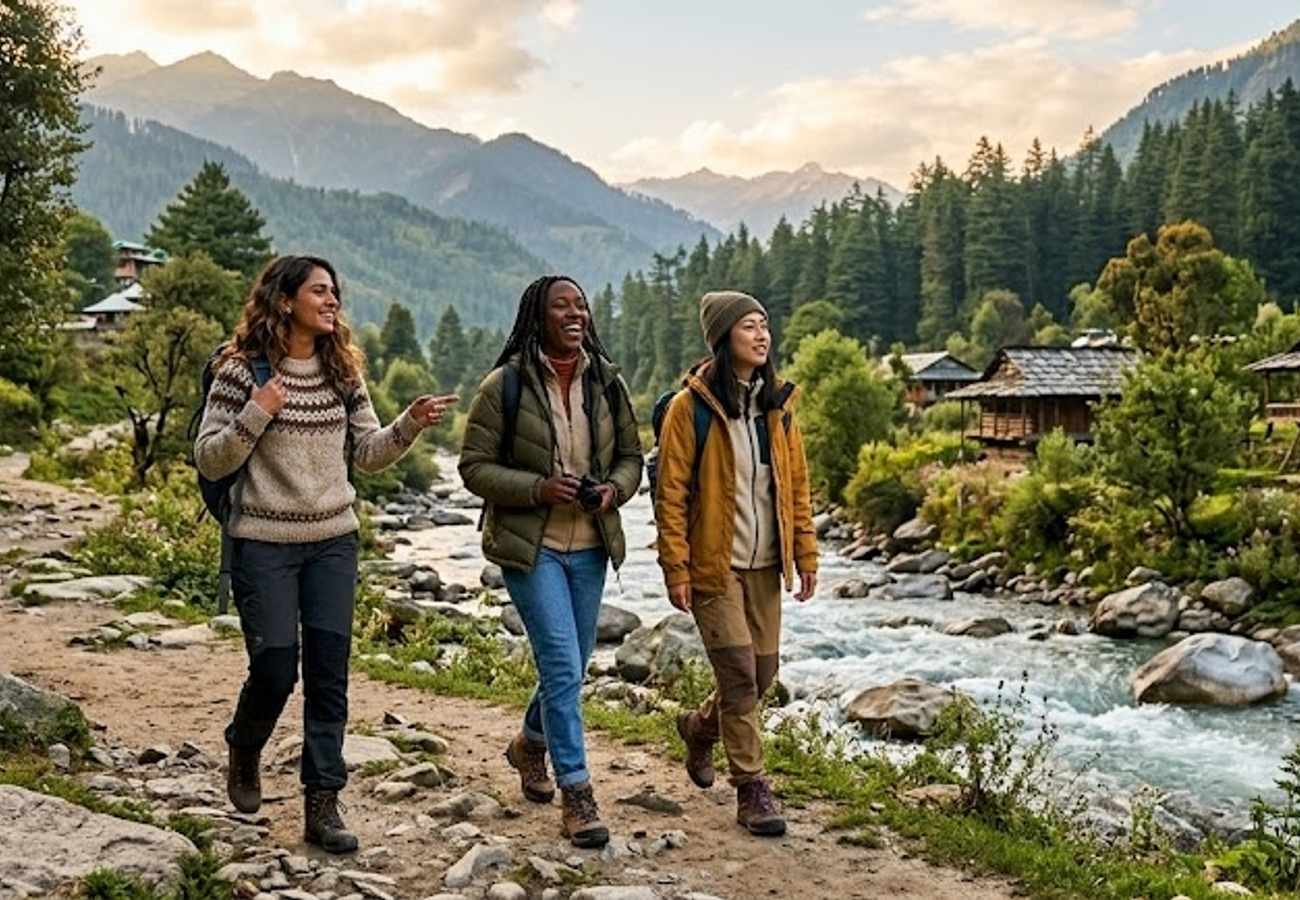
Image generated by AI
Travelers are aggressively pivoting away from saturated tourist hubs toward "hidden" mountain regions to avoid overcrowding and seek authentic cultural immersion. This shift is currently redefining the tourism landscape across Tamil Nadu, Maharashtra, Himachal Pradesh, and Arunachal Pradesh.
The Shift Toward Slow Tourism in India
The 2026 travel trend indicates a move toward "slow travel," where the objective is meaningful engagement with local environments rather than checklist-style sightseeing. This transition is most evident in the rise of lesser-known hill stations that offer natural beauty and indigenous heritage without the logistical strain of over-tourism.
Regional Breakdown of Emerging Hill Destinations
Our analysis of current travel patterns identifies five primary zones of interest for those avoiding traditional crowds:
Himachal Pradesh: Jibhi
- Location: Banjar Valley.
- Primary Appeal: Pine forests, wooden cottage architecture, and riverside trails.
- Traveler Profile: Ideal for photographers, nature enthusiasts, and those seeking a digital detox.
Arunachal Pradesh: Tawang and Ziro Valley
- Tawang: High-altitude landscapes featuring the Tawang Monastery, one of India's largest Buddhist sites. Access involves navigating winding mountain passes and snow-covered routes.
- Ziro Valley: Focused on the cultural heritage of the Apatani community, characterized by rice fields and indigenous traditions.
Maharashtra: Chikhaldara
- Location: Satpura mountain range.
- Primary Appeal: The state's only coffee-growing hill station, featuring forest valleys and rich biodiversity.
- Traveler Profile: Wildlife enthusiasts and those seeking a cool-climate escape in Western India.
Tamil Nadu: Yercaud
- Location: Shevaroy Hills.
- Primary Appeal: Coffee estates and orange plantations.
- Strategic Value: Serves as a quieter, less commercialized alternative to the heavily crowded hubs of Ooty and Kodaikanal.
Passenger Advisory: Navigating Remote Indian Regions
For the traveler planning a journey to these offbeat locations, the logistical requirements differ significantly from standard tourist circuits. Our analysis of regional infrastructure suggests the following precautions:
Permits and Documentation For destinations in Arunachal Pradesh, such as Tawang and Ziro Valley, international and domestic travelers must secure an Inner Line Permit (ILP). Failure to produce this at checkpoints will result in immediate denial of entry.
Transportation Logistics Many of these regions rely on narrow, winding mountain roads. We recommend utilizing experienced local drivers or state-approved transport services. In high-altitude zones like Tawang, travelers should monitor local weather reports for landslide warnings, which frequently disrupt road access during monsoon or heavy snow periods.
Sustainable Engagement Because these areas are not designed for mass tourism, the "slow travel" model is a necessity. Passengers should expect limited luxury hotel infrastructure, opting instead for home-stays and eco-lodges to support the local economy and minimize environmental impact.
Industry Analyst View
The surge in interest toward Jibhi, Tawang, and Chikhaldara reflects a broader global trend of "de-tourism." By diversifying the flow of visitors, India can mitigate the environmental degradation seen in cities like Shimla or Manali.
However, this growth brings a risk of "hidden gems" becoming the next overcrowded hubs. The long-term viability of these destinations depends on the implementation of strict carrying-capacity limits and the promotion of low-impact tourism frameworks.
The most rewarding journeys are often found where the paved roads end.
Related Travel Guides
Disclaimer
This article is for informational and educational purposes only. It does not constitute legal, financial, or professional advice. While we strive to provide accurate and up-to-date information, travel policies, regulations, and conditions change rapidly. Always verify information with official sources before making travel decisions. Nomad Lawyer makes no representations about the accuracy, reliability, completeness, or suitability of the information provided. Readers should consult qualified professionals for advice specific to their circumstances. The views expressed in this article are those of the author and do not necessarily reflect the views of Nomad Lawyer.
Kunal K Choudhary
Co-Founder & Contributor
A passionate traveller and tech enthusiast. Kunal contributes to the vision and growth of Nomad Lawyer, bringing fresh perspectives and driving the community forward.
Learn more about our team →