
Between Indianapolis Chicago: Dutch-Heritage Town Draws Summer Travelers
A charming Dutch-rooted Midwest destination between Indianapolis and Chicago is attracting road trippers in 2026 with summer festivals, outdoor parks, and authentic local dining experiences.

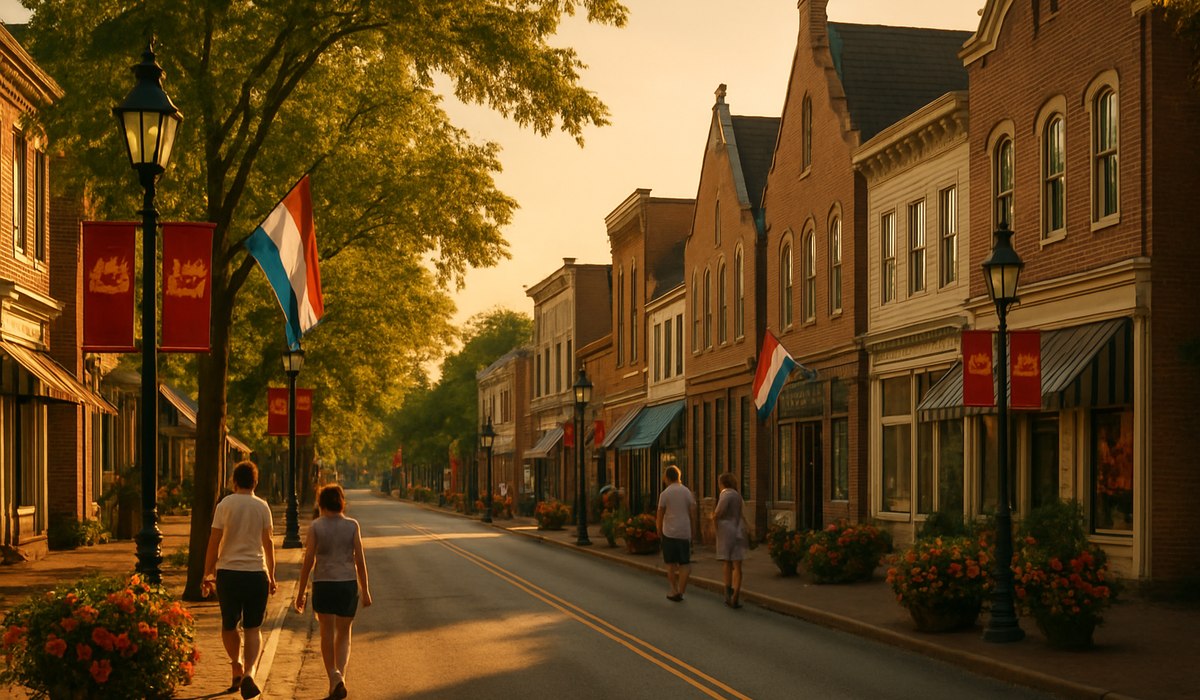
Image generated by AI
Lede
Summer 2026 marks peak travel season for a charming Dutch-heritage town positioned between Indianapolis and Chicago, a hidden Midwest gem gaining traction among road trippers seeking authentic experiences beyond major metropolitan areas. This destination combines rich cultural celebrations, recreational parks, and celebrated local dining that appeal to families and solo travelers alike. The town's multi-day summer festival honoring its Dutch roots is drawing visitors who crave meaningful cultural immersion during their Midwest road trip adventures.
Why This Midwest Town Is Worth The Detour
Nestled strategically between Indianapolis and Chicago, this destination offers the perfect road trip pause for travelers covering the corridor. The town's Dutch heritage shapes everything from architecture to cuisine, creating an authentic cultural experience rarely found in typical highway stops. Visitors discover well-preserved historic districts, murals celebrating regional identity, and local businesses operated by families with generations of ties to the community.
The charm extends beyond visual appeal. The town maintains a walkable downtown where restaurants, antique shops, and galleries cluster within easy exploration distance. Unlike sprawling chain-heavy areas near major highways, this location prioritizes local character and independent business operators. Road trippers consistently report that a single afternoon yields unexpected discoveries—from artisan bakeries to craft breweries highlighting regional recipes. The welcoming atmosphere, manageable crowds during shoulder seasons, and affordable lodging options make it accessible for various travel budgets.
For those researching attractions between Indianapolis and Chicago, this destination represents a refreshing alternative to typical interstate rest areas. The community actively promotes sustainable tourism, encouraging visitors to support local establishments rather than chain restaurants.
Parks And Outdoor Activities
Outdoor recreation defines summer visits to this Midwest town. Multiple parks offer walking trails, picnic areas, and seasonal programming that cater to families. The main park features landscaped gardens inspired by Dutch horticultural traditions, providing shaded seating and scenic photography opportunities.
Summer weekends bring organized activities including outdoor concerts, farmers markets featuring local produce, and recreational sports tournaments. The town's commitment to accessible green spaces means visitors of all mobility levels can enjoy outdoor time. Water features including fountains and small ponds create cooling respites during hot Midwest afternoons.
Neighboring state parks within a 20-minute drive expand outdoor options for visitors extending stays. Hiking, kayaking, and fishing opportunities attract outdoor enthusiasts who use the town as a base for exploring regional natural areas. The combination of maintained municipal parks and nearby wilderness areas provides balanced options for various activity preferences.
Local Food Scene And Dining
The dining landscape reflects Dutch culinary traditions alongside contemporary American fare. Local restaurants source ingredients from regional suppliers, supporting agricultural networks and ensuring seasonal menu variations. Traditional Dutch recipes like stroopwafels, poffertjes, and herring preparations appear alongside innovative chef-driven interpretations.
Cheese shops featuring Dutch varieties attract food-focused travelers seeking authentic regional products. Local bakeries produce traditional breads and pastries using heritage recipes passed through family ownership. Weekend farmers markets showcase regional vegetables, meats, and artisan products that supply both residents and visiting food enthusiasts.
The dining scene encourages culinary exploration rather than rushed consumption. Restaurant owners often share stories about family heritage, recipe origins, and ingredient sourcing. This hospitality transforms meals into cultural exchanges, creating memorable interactions that extend beyond standard food transactions.
For comprehensive dining recommendations, consult the official tourism board which curates current restaurant listings and seasonal menus.
Summer Festival Highlights
The annual multi-day summer festival celebrates Dutch heritage through cultural programming, traditional foods, demonstrations, and entertainment. Festival dates typically occur mid-summer, drawing thousands of regional visitors and creating substantial economic activity for local businesses.
The festival schedule includes traditional Dutch music performances, dance demonstrations, cooking competitions, and craft workshops teaching heritage techniques. Attendees sample authentic Dutch foods prepared by community volunteers following family recipes. Children's activities introduce younger visitors to cultural traditions through interactive learning stations.
Parade elements feature elaborate floats, marching bands, and community groups celebrating regional pride. Evening concerts and fireworks displays extend festival atmosphere beyond daytime activities. The festival atmosphere generates vibrant street energy while maintaining family-friendly programming throughout the multi-day event.
Festival attendance surges accommodation demand significantly. Visitors planning festival trips should book lodging weeks in advance. The community prepares extensively for festival crowds, with local volunteers supplementing paid staff to manage increased demand.
Best Time To Visit
Summer season from June through August represents peak travel and festival activity, offering optimal conditions for outdoor exploration and cultural celebration participation. Daytime temperatures ranging from 75-85°F create comfortable exploration conditions, though humidity levels warrant light clothing and hydration planning.
Late spring (May) and early fall (September) provide excellent visiting windows with fewer crowds and mild weather. Shoulder season visits allow deeper community engagement since locals have more availability for visitor interactions. Festival attendance peaks during July weekends, so strategic timing around primary festival dates affects crowd levels significantly.
Winter visits present quieter alternatives for travelers seeking peaceful experiences. Holiday season programming adds festive atmosphere, though park activities become limited. Spring season brings botanical displays in heritage gardens, attracting photography enthusiasts and nature-focused travelers.
How To Get There
Located along Highway 30/231 corridor between Indianapolis and Chicago, the town requires approximately 90 minutes from Indianapolis and 3.5 hours from Chicago. Major highways provide efficient access for road trippers connecting the two metropolitan areas.
Highway travel via I-65 and connecting routes offers most direct access from both cities. GPS navigation addresses regional traffic patterns, though avoiding rush hour periods (7-9 AM and 4-6 PM weekdays) improves travel efficiency. Free municipal parking accommodates visitor vehicles throughout downtown, eliminating parking costs and search complications.
Amtrak service provides rail alternatives for non-drivers, with connecting shuttle service available from the nearest station. Regional bus services operate limited routes; personal vehicles remain most practical for flexible exploration schedules.
Key Data Table
| Aspect | Details |
|---|---|
| Distance from Indianapolis | Approximately 90 minutes drive |
| Distance from Chicago | Approximately 3.5 hours drive |
| Primary Highway Access | US Highway 30/231 |
| Peak Summer Season | June–August |
| Festival Duration | 3-4 days, typically mid-July |
| Average Summer Temperature | 75–85°F |
| Estimated Annual Festival Attendance | 15,000+ visitors |
| Parking Availability | Free municipal parking downtown |
| Primary Lodging Cost Range | $70–$150 per night |
| Heritage Cuisine | Dutch, contemporary American |
What This Means For Travelers
Road trippers benefit from strategic route planning that incorporates this destination as a meaningful waypoint rather than a rushed pit stop. Consider these actionable approaches:
-
Block 4-6 hours minimum for downtown exploration, dining, and museum visits to extract genuine value from the detour beyond typical highway stop efficiency.
-
Time festival visits strategically by checking official scheduling in advance and planning accommodation weeks ahead to secure availability during peak demand periods.
-
Support local businesses intentionally by prioritizing independent restaurants and shops over chain establishments, directly contributing to community economic sustainability.
-
Engage with cultural programming by attending festival events, heritage demonstrations, or cooking classes that provide educational context beyond casual sightseeing.
-
Explore adjacent state parks to extend outdoor recreation beyond municipal parks, maximizing natural attraction benefits within reasonable driving radius.
FAQ
Is this town suitable for families with young children?
Yes, the town offers numerous family-friendly activities including parks with playgrounds, festivals with children's programming, and restaurants accommodating various dietary needs. Summer season programming particularly emphasizes family participation through interactive activities and accessible outdoor spaces.
What authentic Dutch food should I try while visiting?
Prioritize stroopwafels, poffertjes, Dutch cheese varieties, and herring preparations. Local bakeries produce traditional breads, and restaurants feature heritage recipes. Consider cooking demonstrations or classes during festival attendance to learn preparation techniques directly from community
Disclaimer
This article is for informational and educational purposes only. It does not constitute legal, financial, or professional advice. While we strive to provide accurate and up-to-date information, travel policies, regulations, and conditions change rapidly. Always verify information with official sources before making travel decisions. Nomad Lawyer makes no representations about the accuracy, reliability, completeness, or suitability of the information provided. Readers should consult qualified professionals for advice specific to their circumstances. The views expressed in this article are those of the author and do not necessarily reflect the views of Nomad Lawyer.
Preeti Gunjan
Contributor & Community Manager
A passionate traveller and community builder. Preeti helps grow the Nomad Lawyer community, fostering engagement and bringing the reader experience to life.
Learn more about our team →