
Illinois Outside Chicago: Prairie Reserve With Scenic Hiking Trails
Discover a tranquil prairie preserve just outside Chicago offering scenic hiking trails through native grasslands and abundant wildlife. Perfect for urban escapees seeking peaceful 2026 travel.

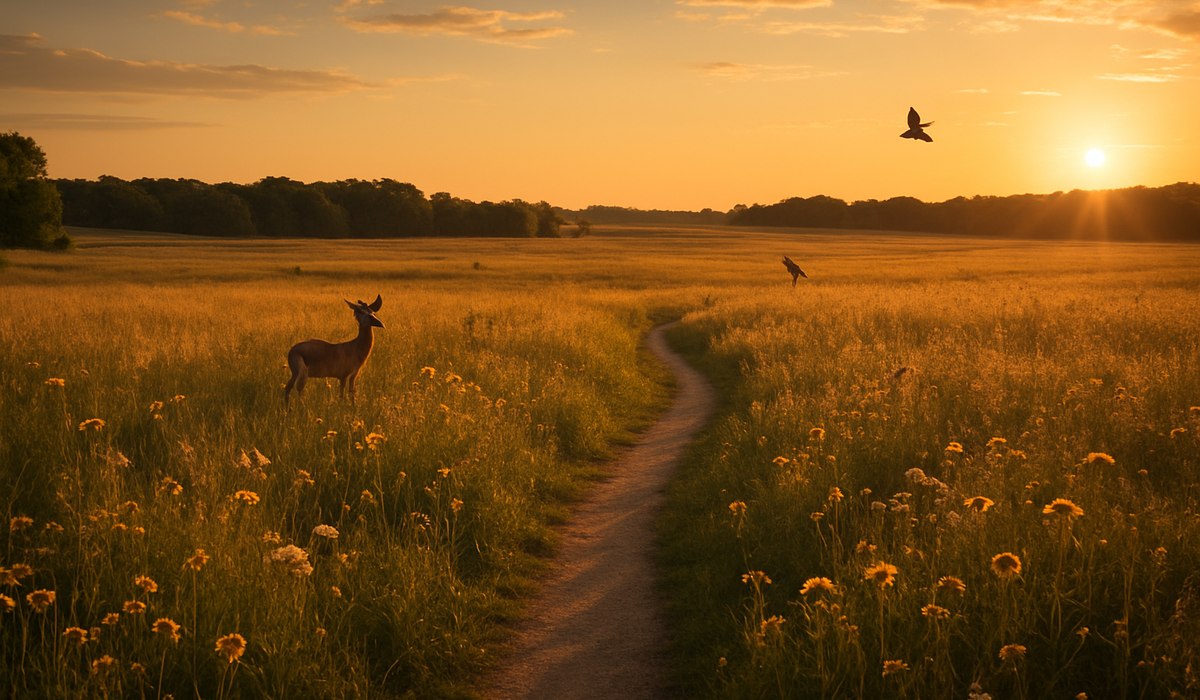
Image generated by AI
Lede
Just beyond Chicago's suburban sprawl lies an exceptional prairie reserve offering urban travelers the tranquility they crave. This natural sanctuary features winding hiking trails through pristine grasslands where native wildflowers bloom and wildlife thrives. Whether you're seeking weekend respite or a meaningful nature experience, Illinois outside Chicago delivers an authentic prairieland escape that rivals any destination twice its distance from the city.
Finding Peace: The Prairie Reserve Just Outside Chicago
The preserve sits approximately 30 miles southwest of downtown Chicago, making it accessible within an hour's drive from the Loop. This strategic location transforms it into an ideal refuge for city dwellers seeking to reconnect with nature without sacrificing convenience. The reserve encompasses over 2,400 acres of restored tallgrass prairie, featuring diverse ecosystems that showcase Illinois' ecological heritage.
Unlike manicured parks, this peaceful destination maintains its wild character through active land stewardship. Native prairie plants—including big bluestem, purple coneflowers, and blazing star—dominate the landscape. The reserve's commitment to ecological restoration has created a sanctuary where both flora and fauna flourish naturally. Visitors consistently describe the atmosphere as meditative and restorative, with minimal crowds compared to Chicago's attractions. Learn more about Illinois nature preserves
Trail Guide: Best Hiking Routes for All Skill Levels
The reserve maintains approximately 15 miles of well-marked trails accommodating various fitness levels and time constraints. Beginners should explore the 2-mile Prairie Loop, a gentle introduction to the landscape featuring interpretive signage explaining native plant species. The trail remains mostly flat with minimal elevation change, perfect for families with children.
Intermediate hikers appreciate the 4-mile Grassland Discovery Trail, which penetrates deeper into the preserve's interior. This route rewards trekkers with expansive vistas across rolling prairie and occasional wildlife sightings. The terrain becomes slightly more challenging with subtle elevation variations and rougher ground conditions.
Advanced outdoor enthusiasts tackle the 6-mile Ridgeline Trail, the reserve's most challenging route. This circuit combines prairie sections with woodland passages, offering diverse ecosystems and rewarding views. Early morning visits increase your likelihood of encountering deer, foxes, and numerous bird species. All trails are open year-round, though spring and fall provide optimal weather conditions for extended hikes through this prairieland.
Wildlife & Flora: What to Expect on the Trails
Illinois outside Chicago's prairie reserve functions as a vital habitat for species increasingly rare in the Midwest. Bison once roamed these grasslands; today's visitors encounter white-tailed deer, red foxes, and coyotes throughout the preserve. Over 200 bird species utilize the prairie seasonally, including bobolinks, meadowlarks, and raptors like red-tailed hawks.
The floral displays shift dramatically throughout the seasons. April and May showcase early bloomers including trillium and bloodroot. Summer transforms the prairie into a wildflower explosion, with native species creating natural tapestries of color. Fall migrations attract extraordinary concentrations of monarch butterflies and migratory birds preparing for southern journeys.
Insect populations thrive here, supporting the food chain essential for wildlife survival. Grasshoppers, dragonflies, and native bees pollinate the preserve's wildflowers. This complete ecosystem demonstrates how prairieland conservation efforts restore ecological balance across Illinois outside Chicago.
Practical Planning: Access, Amenities & Best Visiting Times
The reserve maintains two primary parking areas with facilities accommodating day-trippers and serious hikers alike. Free parking is available year-round during daylight hours. The main visitor center provides restroom facilities, water stations, and informational displays about the preserve's natural and cultural history.
Seasonal visiting patterns influence your experience significantly. Spring attracts wildflower enthusiasts and bird watchers during migration season. Summer offers warm, dry conditions ideal for extended hiking, though afternoon thunderstorms are common in this region of Illinois outside Chicago. Fall delivers crisp temperatures and dramatic color transitions across the prairie landscape. Winter transforms the preserve into a quieter refuge where snow highlights the prairie's structural beauty.
Bring adequate water regardless of season, as the preserve offers limited shade during extended hikes. Insect repellent protects against mosquitoes during warm months. Sturdy hiking boots navigate the uneven prairie terrain more effectively than casual footwear. Pack binoculars for bird watching and a field guide identifying native plant species. The visitor center gift shop stocks detailed trail maps and seasonal wildflower guides. Check current conditions and hours
Service Details & Access Information
| Feature | Details |
|---|---|
| Distance from Chicago | 30 miles southwest via I-55 |
| Drive Time | 45-60 minutes from downtown Chicago |
| Parking | Free, two main lots with 50+ spaces each |
| Facilities | Visitor center, restrooms, water stations |
| Trail Miles | 15 miles of marked hiking routes |
| Operating Season | Year-round, daylight hours |
| Admission Cost | Free for day-use visitors |
| Best Months | April-May (spring), September-October (fall) |
| Wildlife Species | 200+ bird species, deer, foxes, coyotes |
| Average Visit Duration | 2-4 hours for typical day trips |
What This Means for Travelers
This prairie reserve represents a significant opportunity for Chicago-area visitors seeking authentic nature experiences without extensive travel. Consider these actionable strategies for maximizing your visit:
-
Plan mid-week visits to avoid weekend crowds and enjoy the peaceful atmosphere that defines this Illinois outside Chicago destination.
-
Arrive early morning to increase wildlife sighting chances and experience the prairie during optimal bird-watching hours.
-
Download offline trail maps before visiting, as cell service remains limited throughout the preserve's interior.
-
Bring a wildflower identification guide to deepen your understanding of native prairie species and ecological restoration efforts.
-
Pack a picnic lunch utilizing the preserve's designated picnic areas for extended, immersive visits to this prairieland sanctuary.
-
Participate in seasonal volunteer events offered by the reserve's management, connecting with other nature enthusiasts while supporting conservation efforts.
FAQ
What is the best season to visit this Illinois outside Chicago prairie reserve?
Spring (April-May) and fall (September-October) offer ideal conditions for hiking and wildlife viewing. Spring brings wildflower blooms and bird migrations, while fall delivers comfortable temperatures and monarch butterfly congregations. Summer heat and humidity can be intense, while winter conditions may restrict trail access due to snow or ice.
Are dogs allowed on the hiking trails through the preserve?
Most trails permit leashed dogs, making them excellent options for pet owners seeking peaceful outdoor experiences. Certain sensitive habitat areas may restrict pet access during bird nesting season. Contact the visitor center for current pet policies and seasonal restrictions before your visit.
How long does a typical hike through the prairie reserve take?
The 2-mile Prairie Loop requires 45 minutes to 1 hour for casual hikers. The 4-mile Grassland Discovery Trail typically takes 1.5 to 2 hours. The 6-mile Ridgeline Trail requires 2.5 to 3.5 hours depending on your pace and wildlife-viewing stops.
What should I pack for a day visit to this prairieland destination near Chicago?
Bring plenty of water, sun protection (hat and sunscreen), insect repellent, and sturdy hiking boots. A pair of binoculars enhances bird-watching opportunities significantly. During cooler months, layer your clothing to adjust to temperature fluctuations as you move through different preserve sections.
Related Travel Guides
Disclaimer
This article is for informational and educational purposes only. It does not constitute legal, financial, or professional advice. While we strive to provide accurate and up-to-date information, travel policies, regulations, and conditions change rapidly. Always verify information with official sources before making travel decisions. Nomad Lawyer makes no representations about the accuracy, reliability, completeness, or suitability of the information provided. Readers should consult qualified professionals for advice specific to their circumstances. The views expressed in this article are those of the author and do not necessarily reflect the views of Nomad Lawyer.
Preeti Gunjan
Contributor & Community Manager
A passionate traveller and community builder. Preeti helps grow the Nomad Lawyer community, fostering engagement and bringing the reader experience to life.
Learn more about our team →