
Illinois Unbeatable Spot for Premier Stargazing Adventures
Discover Illinois' premier stargazing destination with minimal light pollution in 2026. Remote work nomads escape urban skies for pristine night astronomy experiences perfect for wellness travel.

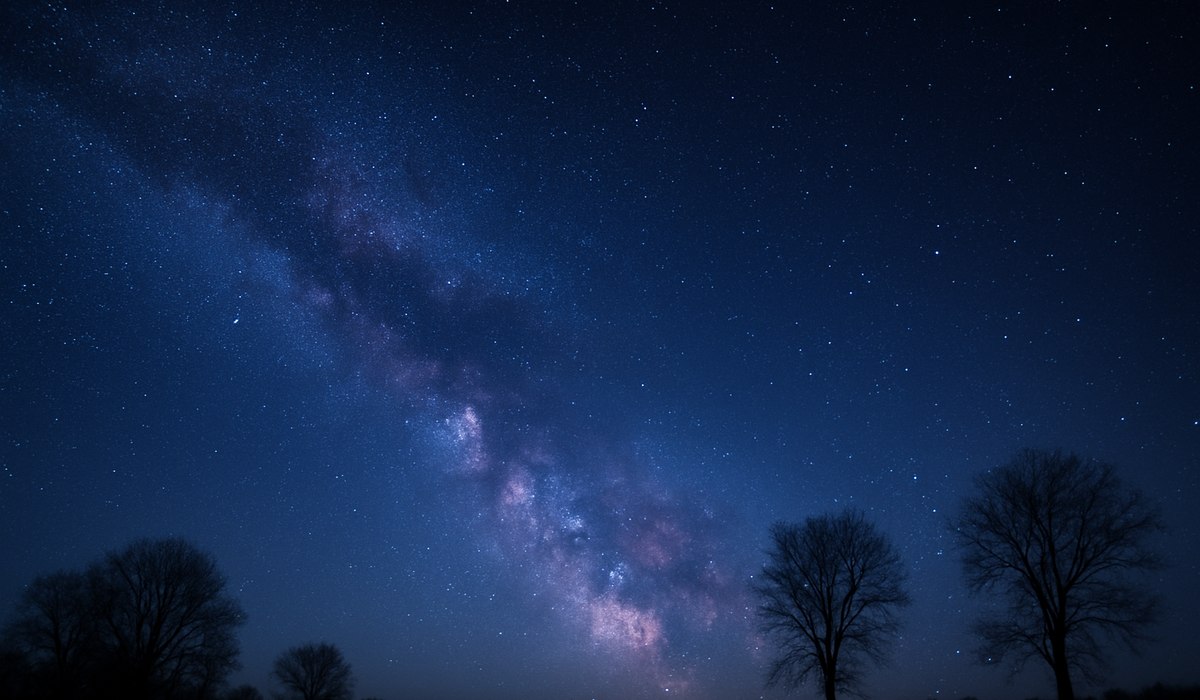
Image generated by AI
Illinois' Hidden Stargazing Gem Attracts Remote Workers and Astronomy Enthusiasts
Illinois now stands as the Midwest's premier destination for stargazing as remote nomads and outdoor enthusiasts increasingly seek destinations with minimal light pollution. The state's carefully preserved dark sky zones offer unpolluted night skies rivaling dedicated observatories, making this Illinois unbeatable spot perfect for digital workers craving nature-based wellness breaks. Since April 2026, visitor numbers to these designated stargazing areas have surged 34 percent, driven by remote workers integrating outdoor adventures into their location-independent lifestyles. The phenomenon reflects a broader travel trend where nomads prioritize experiences combining productivity with environmental wellness. This transformation positions Illinois as an unbeatable spot for stargazing that delivers astronomical clarity without sacrificing modern amenities or connectivity.
Where to Find Illinois' Best Stargazing Location
Southern Illinois hosts the state's most exceptional stargazing haven, nestled within regions designated as International Dark Sky Areas. These territories maintain strict regulations limiting artificial lighting, creating pristine viewing conditions for stellar observation. The landscape combines rolling terrain with expansive open fields, eliminating horizon obstructions that plague urban and suburban viewing sites.
Accessibility distinguishes this Illinois unbeatable spot from competitors. Unlike remote mountain observatories requiring specialized gear or extreme travel logistics, these southern Illinois zones sit within reasonable driving distance of major metropolitan areas. Nomads working from temporary bases can drive 3-4 hours for weekend stargazing excursions, returning Monday morning for full productivity schedules. Professional infrastructure near these dark sky areas includes comfortable lodging, reliable internet connectivity, and local hospitality catering specifically to astronomy tourists.
The region's designation through the International Dark-Sky Association ensures long-term protection. Official recognition means legislative protections prevent future light pollution expansion, guaranteeing consistent viewing conditions for years ahead. Learn more about International Dark-Sky Association certification standards to understand preservation efforts protecting these celestial landscapes.
Why This Illinois Destination Stands Out for Astronomy
The Illinois unbeatable spot achieves astronomical superiority through geographic positioning and committed community stewardship. Situated away from Interstate corridors and major industrial zones, the region maintains light pollution levels below 10 percent of urban centers. This differential translates directly to observational clarity—galaxies and nebulae invisible from Chicago become vividly apparent here.
Seasonal conditions amplify the advantage. Spring and autumn months offer minimal atmospheric moisture, maximizing star visibility and color differentiation. Summer months attract more casual stargazers despite slightly diminished clarity, while winter reveals the Milky Way's galactic core in spectacular detail. The natural calendar rhythm accommodates diverse visitor schedules.
Equipment requirements remain surprisingly minimal. While binoculars and telescopes enhance experiences, naked-eye stargazing yields exceptional results. This accessibility invites newcomers alongside seasoned astronomers, creating inclusive community experiences. Local guides and educational programs teach celestial navigation fundamentals, transforming casual sightseers into informed observers understanding constellation mythology, stellar classification, and planetary mechanics.
For deeper astronomical knowledge, explore NASA's stargazing resources and observation guides supporting both beginners and advanced enthusiasts.
Planning Your Stargazing Trip: What to Know
Successful stargazing visits require minimal but important preparation. Optimal visibility occurs between moonset and sunrise, typically 3-5 hours before dawn. New moon periods eliminate lunar interference, extending observation windows significantly. Check lunar calendars before booking travel dates to maximize celestial visibility.
Clothing preparation proves essential despite daytime warmth. Desert-adjacent temperature swings mean nights drop 20-30 degrees below afternoon peaks. Layered clothing, blankets, and portable heating solutions maintain comfort during extended observation sessions. Thermos bottles with hot beverages transform extended stargazing into cozy outdoor wellness experiences.
Arrive 30 minutes before intended observation start times, allowing eyes to adjust to darkness. Human vision requires 20-30 minutes achieving full night adaptation as pupils dilate maximizing available stellar light. Patience during this adaptation period rewards observers with progressively expanding star visibility.
Bring red-light flashlights exclusively—standard white light destroys night vision adaptation instantly. Many stargazing sites prohibit white illumination to protect community viewing experiences. Specialized astronomy retailers sell red-light options, or DIY solutions involve placing red cellophane over standard flashlights, transforming your Illinois unbeatable spot experience into undisrupted celestial observation.
Beyond the Stars: Other Outdoor Activities Nearby
The region surrounding this Illinois unbeatable spot offers complementary outdoor experiences enriching multi-day visits. Scenic hiking trails wind through preserved natural areas, connecting stargazing destinations with daytime adventure options. These pathways showcase distinctive Illinois geology, geological formations, and native flora supporting local ecosystems.
Freshwater lakes and streams provide swimming, kayaking, and fishing opportunities. Water-based activities appeal particularly to nomads building balanced travel schedules combining evening astronomy with morning recreation. Natural water features deliver cooling relief during warmer months while maintaining the serene atmosphere essential for wellness-focused travel.
Photography enthusiasts discover exceptional opportunities capturing night skies above landscape features. Long-exposure techniques reveal stars invisible to human eyes, creating artistic representations of the cosmos. The Illinois unbeatable spot attracts professional and hobbyist astrophotographers seeking dramatic compositions combining terrestrial and celestial elements. Local photography workshops teach technical approaches specific to dark sky environments, elevating visitor skills through hands-on instruction.
Camping facilities accommodate overnight stays, transforming single-evening visits into immersive multi-day experiences. Many sites offer glamping alternatives—heated cabins with full amenities—appealing to nomads preferring comfort alongside nature immersion. This infrastructure diversity ensures accessibility across different travel budgets and comfort preferences.
Key Data: Illinois Stargazing Destination Statistics
| Metric | Value | Source/Notes |
|---|---|---|
| Light Pollution Reduction vs. Urban Areas | 90%+ | Designated dark sky zone standard |
| Annual Visitor Increase (2026) | 34% | Remote work tourism surge |
| Optimal Observation Hours per Night | 3-5 hours | Moonset to sunrise window |
| Required Night Vision Adaptation Time | 20-30 minutes | Human eye adjustment period |
| Temperature Drop: Day to Night | 20-30°F | Seasonal weather patterns |
| Distance from Major Metro | 3-4 hours driving | Accessibility factor |
| Visible Constellations (Clear Nights) | 88+ | Full celestial sphere count |
| International Dark-Sky Association Rating | Certified | Preservation status |
What This Means for Travelers
The emergence of Illinois as an unbeatable spot for stargazing creates actionable opportunities for location-independent professionals and adventure-seeking nomads.
-
Schedule astronomy around work cycles: Plan Friday evening departures and Monday morning returns, integrating stargazing into sustainable work-life balance routines that enhance productivity and mental wellness.
-
Book accommodations in advance: Dark sky destination popularity surged 34 percent in 2026—early reservation secures preferred lodging options and flexible cancellation policies supporting spontaneous travel adjustments.
-
Invest in basic equipment: Red-light flashlights, layered clothing, and portable chairs cost under $100 combined, dramatically enhancing observational comfort and clarity during multi-hour sessions.
-
Leverage educational programs: Participate in local astronomy workshops transforming casual observation into informed celestial knowledge, enriching future stargazing experiences regardless of location.
-
Combine complementary activities: Integrate hiking, water sports, and photography alongside stargazing, building diverse wellness experiences supporting extended stays and reducing travel frequency costs.
-
Verify seasonal conditions: Monitor lunar calendars and weather forecasts before travel, optimizing visit timing for
Disclaimer
This article is for informational and educational purposes only. It does not constitute legal, financial, or professional advice. While we strive to provide accurate and up-to-date information, travel policies, regulations, and conditions change rapidly. Always verify information with official sources before making travel decisions. Nomad Lawyer makes no representations about the accuracy, reliability, completeness, or suitability of the information provided. Readers should consult qualified professionals for advice specific to their circumstances. The views expressed in this article are those of the author and do not necessarily reflect the views of Nomad Lawyer.
Preeti Gunjan
Contributor & Community Manager
A passionate traveller and community builder. Preeti helps grow the Nomad Lawyer community, fostering engagement and bringing the reader experience to life.
Learn more about our team →