
IATO Launches Nationwide Cleanliness Drive to Boost Sustainable Tourism
IATO launches nationwide cleanliness initiative in 2026, starting at Qutub Minar in New Delhi. The Swachh Paryatan Abhiyaan campaign aims to promote responsible tourism and heritage conservation across India's top destinations.

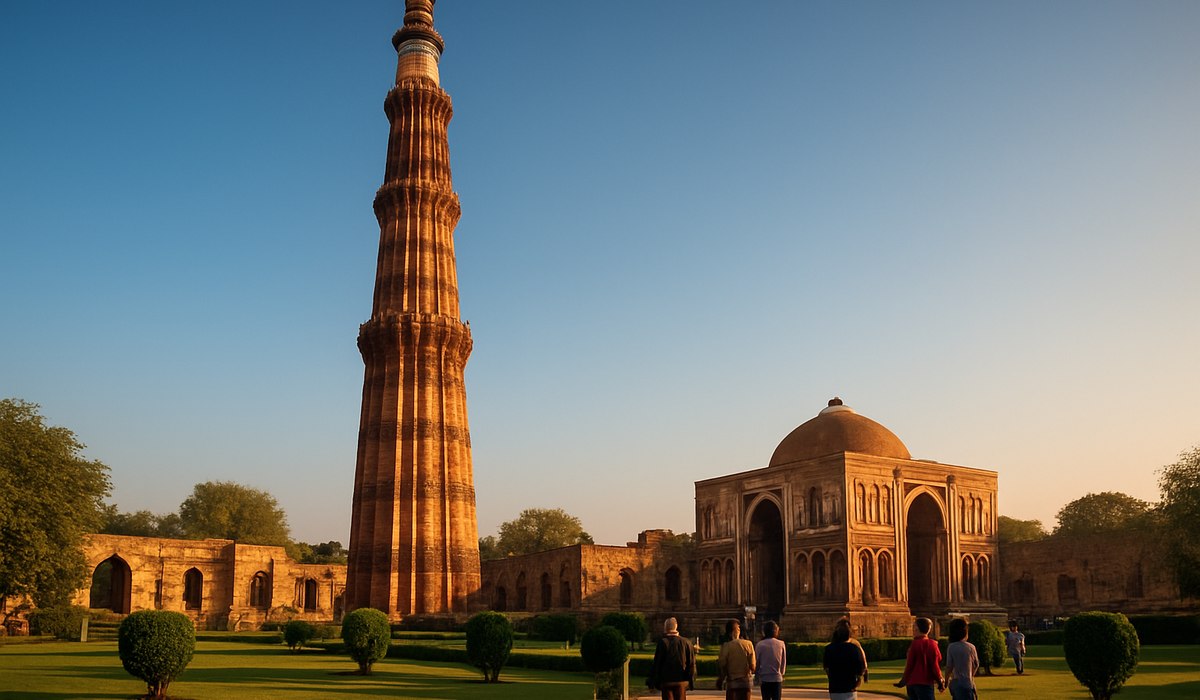
Image generated by AI
IATO Launches Nationwide Cleanliness Campaign at India's Iconic Heritage Site
The Indian Association of Tour Operators (IATO) has officially launched its nationwide "Swachh Paryatan Abhiyaan" cleanliness initiative, beginning with an inaugural event at the UNESCO-listed Qutub Minar complex in New Delhi on June 1, 2026. This landmark campaign represents the first coordinated effort by India's tourism industry to combine heritage preservation with environmental responsibility. The initiative targets promoting responsible travel behavior, enhancing destination cleanliness, and strengthening civic awareness among both tourism professionals and international visitors exploring India's world-class attractions.
Swachh Paryatan Abhiyaan: India's Tourism Cleanliness Initiative
The Swachh Paryatan Abhiyaan (Clean Tourism Mission) represents a transformative approach to sustainable destination management across India. IATO's nationwide initiative concentrates on establishing cleanliness benchmarks at heritage sites, natural attractions, and urban tourism hubs. The program engages tour operators, hospitality providers, local communities, and government agencies in a unified framework for environmental stewardship.
The campaign emphasizes practical measures including waste management infrastructure improvements, regular sanitation protocols at high-traffic sites, and visitor education initiatives. By addressing infrastructure gaps and promoting behavioral change, the drive aims to elevate India's standing among international tourism markets. The initiative also creates accountability mechanisms requiring stakeholders to maintain agreed-upon cleanliness standards throughout the calendar year.
Learn more about sustainable tourism practices through the Global Sustainable Tourism Council's standards at https://www.gstcouncil.org/.
Heritage Conservation and Responsible Travel Standards
Qutub Minar's selection as the flagship launch venue underscores the initiative's focus on preserving India's architectural legacy while managing visitor impact. The 73-meter marble tower, built in the 12th century, attracts over 5 million annual visitors—making responsible tourism management essential for long-term preservation.
IATO's framework establishes binding protocols for tour operators regarding group sizes, designated pathways, photography zones, and waste disposal procedures at heritage sites. These standards translate international best practices into actionable guidelines adapted for India's diverse geography and tourist volumes. The initiative recognizes that heritage conservation requires balancing public access with site protection, ensuring future generations can experience these irreplaceable monuments.
Training programs embedded within the campaign educate guides, hospitality staff, and travel professionals about UNESCO heritage site protocols and environmental sensitivity. This knowledge transfer strengthens the professionalism of India's tourism workforce while embedding conservation ethics into daily operations.
Explore UNESCO World Heritage Sites in India: https://whc.unesco.org/en/statesparties/in/
Impact on India's Global Tourism Competitiveness
India's tourism sector generates over $28 billion annually in foreign exchange, yet international rankings consistently identify infrastructure and cleanliness as competitive disadvantages against Southeast Asian destinations. The IATO nationwide drive directly addresses these perception gaps through measurable improvements at priority sites.
The campaign positions India competitively for travelers increasingly prioritizing sustainable and responsible tourism experiences. Millennials and Gen-Z travelers—representing 40% of international visitors to India—demonstrate willingness to spend premium rates at eco-conscious, well-maintained destinations. By elevating cleanliness standards and heritage conservation practices, IATO creates differentiation advantages for members operating premium tour packages.
The initiative also aligns with India's broader National Action Plan on Climate Change and national "Swachh Bharat" (Clean India) movement, creating policy synergies that amplify investment in tourism infrastructure. Enhanced destination appeal directly translates to increased visitor volumes, extended stay durations, and higher per-capita tourism spending.
Stakeholder Engagement and Implementation Strategy
IATO's implementation strategy incorporates participation from state tourism boards, municipal corporations, heritage site authorities, hospitality associations, and environmental organizations. The phased rollout begins with flagship heritage destinations before expanding to secondary cities and adventure tourism zones.
The nationwide drive utilizes digital monitoring systems, including QR-code based feedback mechanisms allowing visitors to report cleanliness issues in real-time. Tour operators participate in quarterly audits measuring compliance against established standards. Recognition programs reward high-performing operators and destinations, incentivizing sustained commitment beyond the campaign's initial phase.
Community engagement represents a critical pillar, with programs training local residents near tourism hotspots as "cleanliness ambassadors." This employment-generating approach builds grassroots support while distributing economic benefits beyond traditional tourism service providers.
Key Metrics and Campaign Performance Data
| Metric | Baseline | 2026 Target | Implementation Timeline |
|---|---|---|---|
| Heritage sites enrolled | 0 | 150+ | Phased across 6 months |
| Tour operators participating | 0 | 2,500+ | Immediate signup |
| Annual visitors to flagship sites | 5M+ | 6.5M+ | Q4 2026 assessment |
| Training programs delivered | 0 | 500+ | Throughout campaign year |
| Waste management infrastructure projects | 0 | 75+ | 12-month rollout |
| International quality certifications obtained | 0 | 50+ | Cumulative by year-end |
| Community ambassador positions created | 0 | 1,000+ | Q1-Q3 2026 |
| Visitor satisfaction scores (cleanliness dimension) | 6.2/10 | 8.0/10 | Target post-implementation |
What This Means for Travelers
The IATO nationwide cleanliness initiative creates immediate and lasting benefits for tourists planning India trips during 2026 and beyond:
-
Enhanced Site Experiences: Visitors to Qutub Minar and other heritage destinations will encounter improved sanitation facilities, waste management infrastructure, and better crowd management—creating more comfortable exploration opportunities.
-
Premium Service Standards: Tour packages from IATO member operators increasingly incorporate environmental commitments and heritage protection practices, justifying premium pricing while ensuring authentic, responsible experiences.
-
Real-Time Feedback Mechanisms: Travelers can actively participate in quality assurance through digital reporting tools, empowering visitors to contribute to continuous destination improvement.
-
Sustainable Practice Benefits: The initiative reduces environmental impact of tourism through coordinated waste reduction and resource management, aligning independent travelers' values with destination management practices.
-
Expanded Destination Access: Improved infrastructure at heritage sites enables extended visiting hours and enhanced accessibility features, providing travelers greater flexibility in trip planning and site exploration.
Frequently Asked Questions
What is the Swachh Paryatan Abhiyaan campaign?
The Swachh Paryatan Abhiyaan is IATO's nationwide cleanliness and sustainable tourism initiative launched in June 2026. The campaign establishes environmental standards, waste management protocols, and heritage conservation practices across India's top tourism destinations. It engages tour operators, hospitality providers, and local communities in coordinated efforts to enhance destination cleanliness while preserving cultural heritage.
Which destinations are included in the initial phase?
The campaign begins at Qutub Minar in New Delhi, with expansion to 150+ heritage sites within six months. Subsequent phases target natural attractions, adventure tourism zones, and secondary cities. IATO's phased approach prioritizes UNESCO World Heritage Sites and destinations receiving over 500,000 annual visitors.
How will this affect my upcoming India trip?
Visitors benefit through improved sanitation facilities, better waste management infrastructure, and enhanced crowd management at participating destinations. IATO member tour operators offer premium packages incorporating environmental commitments. Travelers can provide real-time feedback about cleanliness standards through digital reporting mechanisms embedded within the initiative.
Are tour operators required to participate?
IATO member participation is strongly encouraged through recognition programs and market differentiation advantages
Disclaimer
This article is for informational and educational purposes only. It does not constitute legal, financial, or professional advice. While we strive to provide accurate and up-to-date information, travel policies, regulations, and conditions change rapidly. Always verify information with official sources before making travel decisions. Nomad Lawyer makes no representations about the accuracy, reliability, completeness, or suitability of the information provided. Readers should consult qualified professionals for advice specific to their circumstances. The views expressed in this article are those of the author and do not necessarily reflect the views of Nomad Lawyer.
Kunal K Choudhary
Co-Founder & Contributor
A passionate traveller and tech enthusiast. Kunal contributes to the vision and growth of Nomad Lawyer, bringing fresh perspectives and driving the community forward.
Learn more about our team →