Heritage Tourism: Hungary Countryside Showcases Historic Castles

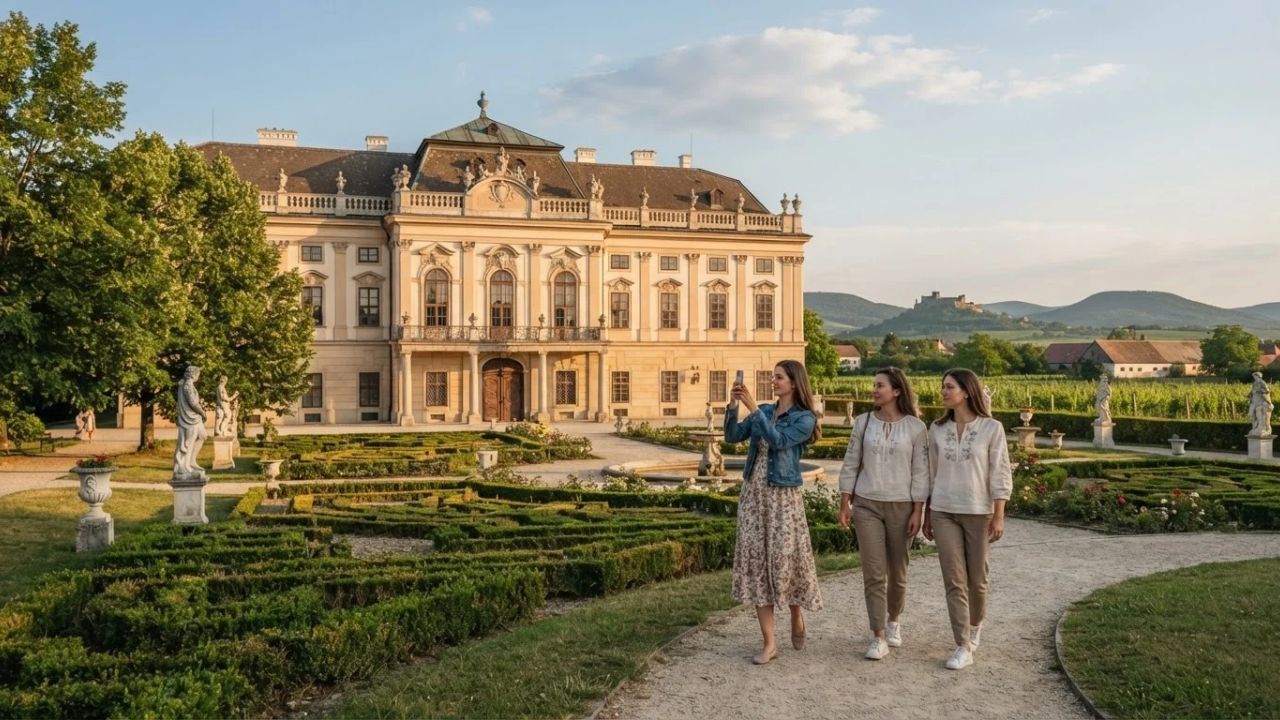
Image generated by AI
Hungary's countryside tourism is experiencing a breakthrough, highlighting restored palaces and medieval fortresses including Festetics and Esterházy. These five heritage sites offer travelers an immersive journey into central European architectural history.
Regional Dispersion and Rural Heritage Conversion
A significant trend in European destination management is the dispersion of visitor flows from dense metropolitan centers into rural heritage corridors. Historically, international arrivals were concentrated in primary urban hubs like Budapest, leaving regional estates underutilized. In 2026, the restoration and adaptive reuse of historical fortresses and noble residences have created new travel corridors.
By converting former royal estates into museum complexes, municipal tourism boards distribute traveler spending to regional hospitality businesses. This strategy preserves architectural monuments while offering travelers authentic cultural experiences beyond standard city breaks.
Five Remarkable Hungarian Castles and Palaces
The country's regional tourism strategy highlights five key architectural sites:
Festetics Palace (Baroque Luxury in Keszthely)
Situated in the lakeside resort town of Keszthely, this palace represents the cultural influence of Hungarian nobility:
- Palace Size: The elegant single-storey building features 101 rooms open to guided tours.
- Private Library: Houses a collection of approximately 86,000 volumes, representing a significant repository of regional art and intellectual history.
- Vast Gardens: Surrounded by a 42-hectare garden filled with ancient trees, fountains, and pathways.
Esterházy Palace (The Hungarian Versailles in Fertőd)
This massive palace complex stands as one of the country's greatest architectural monuments:
- Palace Size: Features 126 rooms decorated in the high Baroque and Rococo styles.
- Esterházy Gallery: Displays approximately 650 paintings from the family's collection.
- French-Style Gardens: Set within a 300-hectare garden designed to replicate 18th-century European royal parks.
Nádasdy Mansion (Gothic Revival in Nádasdladány)
This estate combines Neo-Gothic, Historicist, and Tudor architectural details:
- Hall of Ancestors: A grand portrait gallery displaying historical paintings of the noble family.
- Filming Location: The restored interiors and gardens are regularly used for international television and cinema productions.
Eger Castle (The Legendary Medieval Fortress)
Standing above the city of Eger, this fortress represents a pivotal chapter in military history:
- 1552 Siege: Celebrated for the historic battle where Hungarian defenders successfully repelled an invading Ottoman army.
- Daily Commemoration: A daily cannon firing ceremony takes place at the exact time associated with the historic defense.
Szigliget Castle (The Fortress of Lake Balaton)
Perched on a volcanic hill overlooking Lake Balaton, this medieval ruin offers scenic views:
- Defensive Role: Built as a stronghold, the fortress served as a primary defensive shield during regional conflicts.
- Balaton Access: The site integrates medieval ruins with the surrounding lakeside park system.
Hungarian Countryside Castle Coordinates
The table below breaks down the castles, locations, room counts, garden sizes, key historical features, and transit distances established for the sites:
| Heritage Site Name | Local Town Region | Room Count | Garden / Park Size | Key Historical Feature | Primary Architectural Style |
|---|---|---|---|---|---|
| Festetics Palace | Keszthely (Balaton) | 101 rooms | 42 hectares | 86,000-volume library | Baroque |
| Esterházy Palace | Fertőd (West Hungary) | 126 rooms | 300 hectares | 650-painting gallery | Baroque & Rococo |
| Nádasdy Mansion | Nádasdladány | Historic layout | Restored gardens | Hall of Ancestors gallery | Neo-Gothic & Tudor |
| Eger Castle | Eger (North Hungary) | Fortress rooms | Hilltop park | 1552 Ottoman siege | Medieval stone fortress |
| Szigliget Castle | Szigliget (Balaton) | Hilltop ruins | Lake Balaton views | Medieval defensive shield | Ruined stone stronghold |
These coordinates outline the rooms, gardens, features, and styles established for the countryside castles.
Resource Stewardship and Regional Conservation
For the traveler, the benefit of choosing regional destinations is the reduction in tourist crowding compared to metropolitan areas. Utilizing regional rail networks like MÁV to reach Keszthely or Eger helps minimize carbon emissions per passenger-mile.
Additionally, countryside travel supports regional artisans, local guides, and family-run guest houses in communities like Fertőd and Nádasdladány. Following preservation guidelines at fragile stone ruins protects Hungary's historic masonry.
For example, you can explore the changing dynamics of Destination Hub: Lufthansa Expands Munich Airport Stopover Program to see how stopovers facilitate European travel. For flight scheduling updates, comparing regional transit links matches other networks, such as Transit Expansion: FLY91 Introduces Tirupati Flight Routes updates. This trend is similar to the tourism growth seen in other destinations, as detailed in our guide on how Utica, New York Emerges as an Affordable Northeast Tourism Hub.
Visitor Insider Tips: Exploring the Hungarian Countryside
If you are planning to visit these estates, keep these practical tips in mind:
- Visit Fertőd During Classical Concerts: Coordinate your Esterházy Palace tour with summer classical music performances held in the historic music pavilion.
- Explore Keszthely Library Early: Visit the Festetics library during morning opening hours to view the collection without tour groups.
- Time Your Visit for Eger's Cannon: Arrive at Eger Castle before the daily afternoon cannon firing to secure a view over the town.
- Wear Sturdy Footwear for Szigliget: The pathway up to Szigliget Castle is steep and cobbled; wear trail shoes or sturdy sneakers for the climb.
- Pre-Arrange Nádasdy Transfers: Check train schedules from Székesfehérvár to Nádasdladány, as local bus connections run infrequently on weekends.
Long-Term Outlook for Regional Heritage Tourism
The long-term outlook for Hungarian countryside travel is focused on introducing electric shuttle buses at park estates, expanding multilingual digital tour guides, and restoring secondary castles under the National Castle Programme. As interest in slow travel remains steady, municipal tourism boards will rely on regional routes to distribute visitor demand.
By expanding rural heritage access and supporting local conservation, the tourism sector aims to build a sustainable travel network.
FAQ
What is the Festetics Palace famous for?
Festetics Palace in Keszthely is famous for its Baroque architecture, its 101 rooms, and its private Helikon library housing 86,000 volumes.
Why is Esterházy Palace called the "Hungarian Versailles"?
Esterházy Palace in Fertőd is called the Hungarian Versailles due to its large size (126 rooms), its Baroque-Rococo design, and its 300-hectare French-style gardens.
When did the famous siege of Eger Castle occur?
The siege of Eger Castle, where defenders resisted the Ottoman forces, occurred in 1552.
Where is Szigliget Castle located?
Szigliget Castle, also known as the Castle of Balaton, is located on a hill near the shores of Lake Balaton.
Stay updated on the regional travel guides and heritage sites shaping European tourism.
Related Travel Guides
- Bali Beats Jakarta and All Other Cities in Indonesia With Strong Hotel and Travel Demand Throughout the First Nine Months of 2026
- Hanoi & Ho Chi Minh City Named Top Walkable Cities
- China and Global Powers Launch Smart Tourism Revolution at Macao University Amid $200 Oil Shock and Strait of Hormuz Blockade: How US-Iran Conflict and Gulf Tensions Force Urgent Digital Transformation
This article is for informational purposes. Flight routes, passenger regulations, visa rules, and transit advisories are subject to change by airlines and aviation authorities. Readers are advised to verify schedules and travel documentation with relevant carriers and border agencies before departure.
Related Stories

Thailand and Vietnam Lead Asia Tourism Surge in 2026 via Strategic Visa Policy Shifts

Samarkand Marathon 2026: Uzbekistan Attracts 1,500 Athletes from 63 Nations for Sports Tourism