
Airport First-Class Upgrades: What Travelers Actually Pay at the Gate
Breaking airline news and aviation industry updates for 2026.

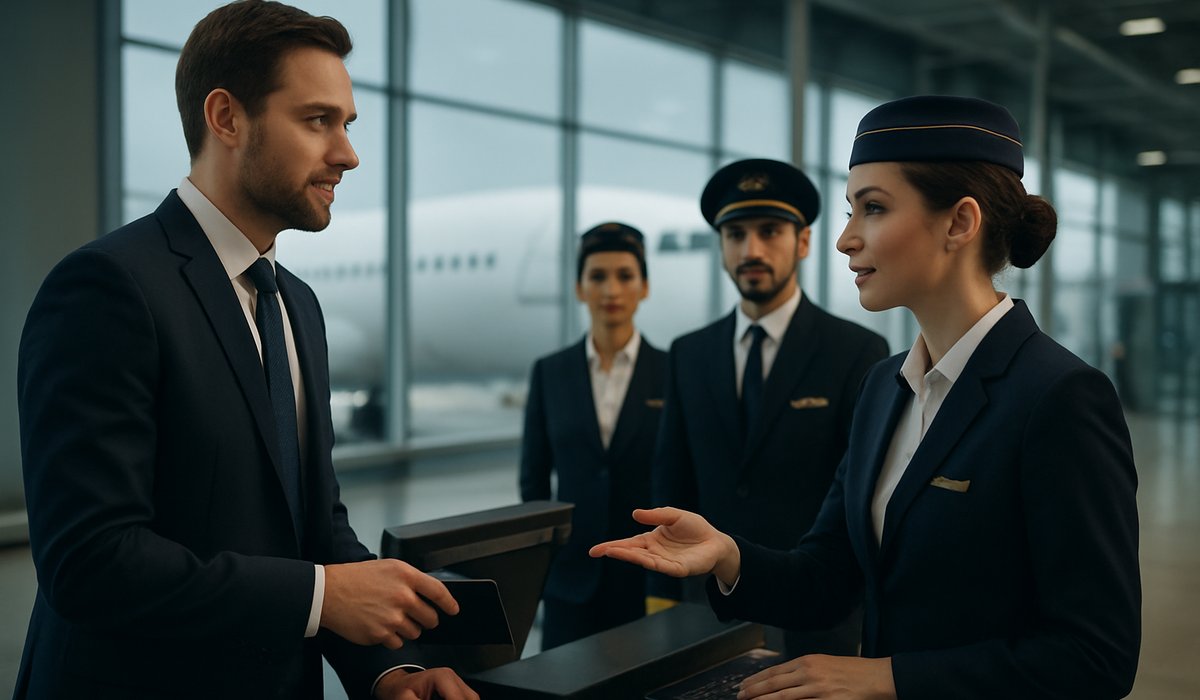
Image generated by AI
Airport First-Class Upgrades: What Travelers Actually Pay at the Gate
Airlines are increasingly leveraging dynamic pricing models to sell premium cabin seats, with check-in upgrade offers becoming a critical revenue stream in a challenging economic environment
The Rising Cost of Last-Minute Premium Cabin Access
Passengers arriving at airport check-in counters and mobile kiosks face an increasingly common scenario: enticing upgrade offers to first class, complete with promises of spacious seating, enhanced catering, and expedited boarding privileges. Yet the financial proposition remains murky for most travelers, as airlines deploy sophisticated yield management systems to maximize revenue from unsold premium seats in real time.
The practice reflects broader industry pressures reshaping aviation economics. With jet fuel prices remaining volatile and labor costs climbing across the sector, carriers are aggressively monetizing every available revenue opportunity—from baggage charges to ancillary services. First-class check-in upgrades represent a particularly lucrative segment, offering airlines a chance to fill premium inventory that might otherwise depart empty.
Dynamic Pricing Models Drive Unpredictable Upgrade Costs
Unlike traditional published fares, first-class upgrade pricing at check-in operates on dynamic algorithms that adjust based on demand, seat availability, route profitability, and passenger loyalty status. A transatlantic flight experiencing high first-class demand might present a $1,500 upgrade offer, while the same cabin on an underbooked regional route could command significantly less—or nothing at all.
Major global carriers including United Airlines, British Airways, Lufthansa, and Singapore Airlines have all expanded their real-time upgrade offerings through both airport kiosks and mobile applications. The strategy capitalizes on passengers' heightened willingness to spend during the travel journey, when the perceived value of premium amenities—extra legroom, superior meals, priority services—feels most tangible.
What Passengers Should Expect
Industry data suggests first-class upgrades at check-in typically range from $100 to over $2,000 for long-haul international flights, depending on multiple variables. Short-haul domestic upgrades generally fall between $50 and $300. However, frequent flyers with elite status occasionally receive complimentary or heavily discounted upgrade offers.
Airlines justify these premium prices by highlighting cabin amenities: lie-flat seats on ultra-long-haul routes, Michelin-starred catering partnerships, enhanced Wi-Fi services, and exclusive lounge access. For business travelers on personal expense, the value proposition often proves compelling. Leisure passengers, however, frequently decline, particularly as aviation costs continue climbing alongside broader inflation pressures.
The upgrade practice underscores a fundamental shift in airline revenue models, where ancillary services and dynamic pricing have become essential to maintaining profitability in an increasingly competitive global aviation market.
FAQ: First-Class Check-In Upgrades Explained
Q: How much do first-class upgrades typically cost at airport check-in? A: Prices vary dramatically based on route, demand, and timing—typically ranging from $50-$300 on domestic flights to $1,000-$2,000+ on international routes.
Q: Why do airlines offer upgrades at check-in instead of before arrival? A: Airlines use real-time data to identify unsold premium seats and target passengers most likely to accept, maximizing revenue from inventory that would otherwise remain empty.
Q: Are loyalty program members guaranteed cheaper upgrade offers? A: Elite frequent-flyer members often receive complimentary or significantly discounted upgrades, though availability depends on cabin inventory and demand.
Q: Is purchasing a first-class upgrade at check-in worth the cost? A: Value depends on route length, personal priorities, and budget—long-haul upgrades offering lie-flat beds present stronger value than shorter flights.
Q: How do airline baggage fees relate to first-class upgrade pricing? A: Both represent ancillary revenue strategies; first-class typically includes generous baggage allowances, which factors into upgrade pricing calculations across airline revenue systems.
Related Travel Guides
External Resources
Disclaimer
This article is for informational and educational purposes only. It does not constitute legal, financial, or professional advice. While we strive to provide accurate and up-to-date information, travel policies, regulations, and conditions change rapidly. Always verify information with official sources before making travel decisions. Nomad Lawyer makes no representations about the accuracy, reliability, completeness, or suitability of the information provided. Readers should consult qualified professionals for advice specific to their circumstances. The views expressed in this article are those of the author and do not necessarily reflect the views of Nomad Lawyer.
Kunal K Choudhary
Co-Founder & Contributor
A passionate traveller and tech enthusiast. Kunal contributes to the vision and growth of Nomad Lawyer, bringing fresh perspectives and driving the community forward.
Learn more about our team →