
British Airways to Deploy Crew Rest Facilities in First Class Cabins on Extended Long-Haul Routes
Breaking airline news and aviation industry updates for 2026.

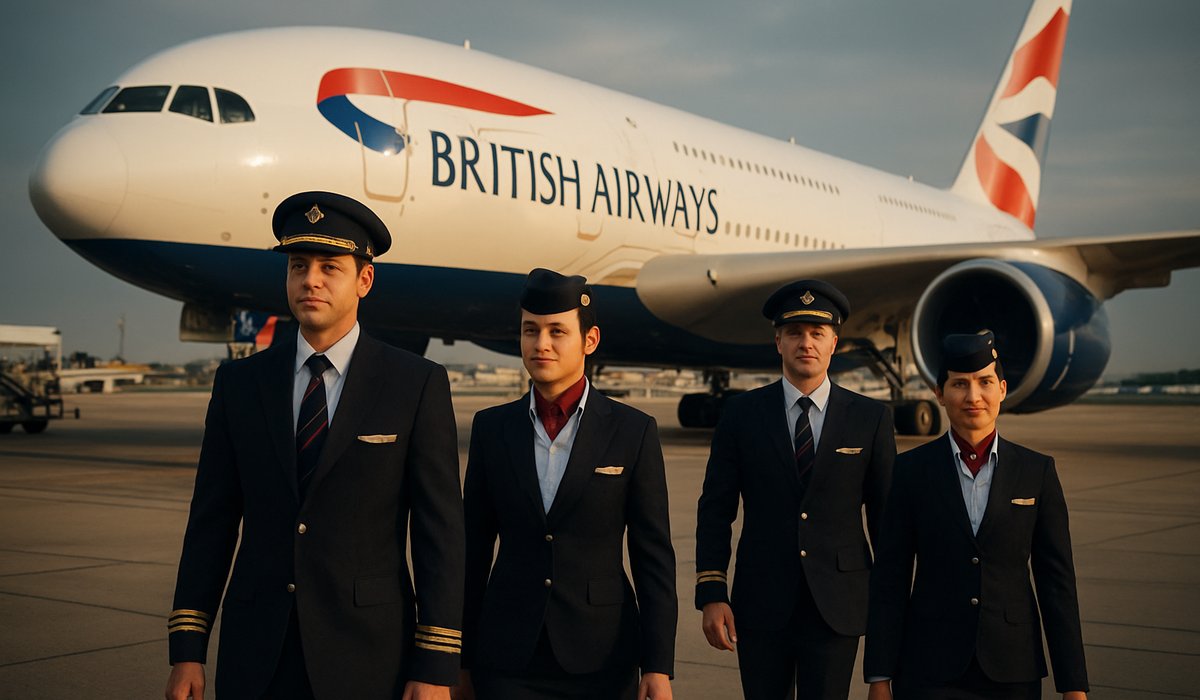
Image generated by AI
British Airways to Deploy Crew Rest Facilities in First Class Cabins on Extended Long-Haul Routes
Airline modernizes fatigue management strategy as extended flight operations demand longer crew rotations
British Airways is preparing to convert premium seating areas aboard its long-haul aircraft into operational crew rest zones, marking a significant shift in how the carrier manages fatigue among cabin staff on extended international services.
The strategic move reflects growing industry pressures to balance passenger comfort with crew welfare on ultra-long-haul operations, where flight attendants face grueling schedules spanning 15-18 hours or more. Currently, most widebody aircraft feature dedicated but limited crew rest compartments—typically accessed by stairs in the upper deck—designed to accommodate rotating crew members during extended missions.
The Safety Imperative Behind the Decision
Aviation safety regulators have long emphasized that adequate crew rest directly impacts in-flight safety protocols and emergency response capabilities. Well-rested cabin crew demonstrate sharper decision-making abilities and faster reaction times during critical situations, making fatigue management a paramount operational concern rather than a mere convenience consideration.
"Our cabin crew are the frontline of passenger safety and service excellence," a British Airways spokesperson indicated, underscoring the airline's commitment to crew welfare standards. The airline's initiative aligns with international aviation best practices established by regulatory bodies including the European Union Aviation Safety Agency (EASA) and the Federal Aviation Administration (FAA).
Industry-Wide Fatigue Management Challenges
The aviation sector has faced mounting scrutiny regarding crew scheduling practices, particularly as airlines expand into longer, more demanding route networks. Extended flight operations—especially on transcontinental and transpacific services—necessitate larger crew complements and staggered rest rotations to maintain safety compliance and operational efficiency.
British Airways' approach represents a pragmatic solution to reconcile operational demands with regulatory rest requirements. By strategically utilizing first-class cabin space during off-peak periods, the airline can provide enhanced rest facilities without compromising revenue-generating capacity on most flight segments.
What This Means for Premium Passengers
While first-class passengers might occasionally notice crew members utilizing designated rest areas, these arrangements occur primarily during cruise phases when cabin service reaches minimal levels. The conversion remains invisible to most travelers, with operational protocols ensuring crew rest zones remain distinct from active passenger service zones.
This development underscores broader industry trends toward prioritizing crew wellness as integral to overall flight safety and operational reliability—a principle increasingly reflected across major global carriers operating extended-range aircraft.
FAQ: Crew Rest Facilities and Aviation Safety
Q: Will first-class passengers be displaced by crew rest arrangements? A: No. Crew rest utilization occurs during designated periods when premium cabin service is minimal, with no impact on passenger seat availability or booking.
Q: Why are crew rest facilities essential on long-haul flights? A: Flight crew fatigue directly affects safety decision-making, emergency response times, and overall operational reliability on extended missions exceeding 12+ hours.
Q: Do other airlines use similar crew rest strategies? A: Yes. Major carriers including Lufthansa, Emirates, and Singapore Airlines operate comparable fatigue management systems on their long-haul fleets.
Q: How are crew rest facilities regulated internationally? A: EASA and FAA establish mandatory rest requirements based on flight duration, with airlines required to provide appropriate facilities meeting specific regulatory standards.
Q: Does crew rest impact ticket pricing? A: Not directly. Airlines structure crew rest as operational necessity rather than a cost-pass factor, though safety investments may influence overall service delivery costs.
Related Travel Guides
-
Boeing 777 Operating Costs Rival Aircraft Purchase Price in 2026
-
Air India Outgoing CEO Warns Leadership Transition Amid Geopolitical Headwinds
External Resources
Disclaimer
This article is for informational and educational purposes only. It does not constitute legal, financial, or professional advice. While we strive to provide accurate and up-to-date information, travel policies, regulations, and conditions change rapidly. Always verify information with official sources before making travel decisions. Nomad Lawyer makes no representations about the accuracy, reliability, completeness, or suitability of the information provided. Readers should consult qualified professionals for advice specific to their circumstances. The views expressed in this article are those of the author and do not necessarily reflect the views of Nomad Lawyer.
Raushan Kumar
Founder & Lead Developer
Full-stack developer with 11+ years of experience and a passionate traveller. Raushan built Nomad Lawyer from the ground up with a vision to create the best travel and law experience on the web.
Learn more about our team →