
Alaska Airlines and Delta: From Strategic Partners to West Coast Rivals in a Decade of Consolidation
Breaking airline news and aviation industry updates for 2026.

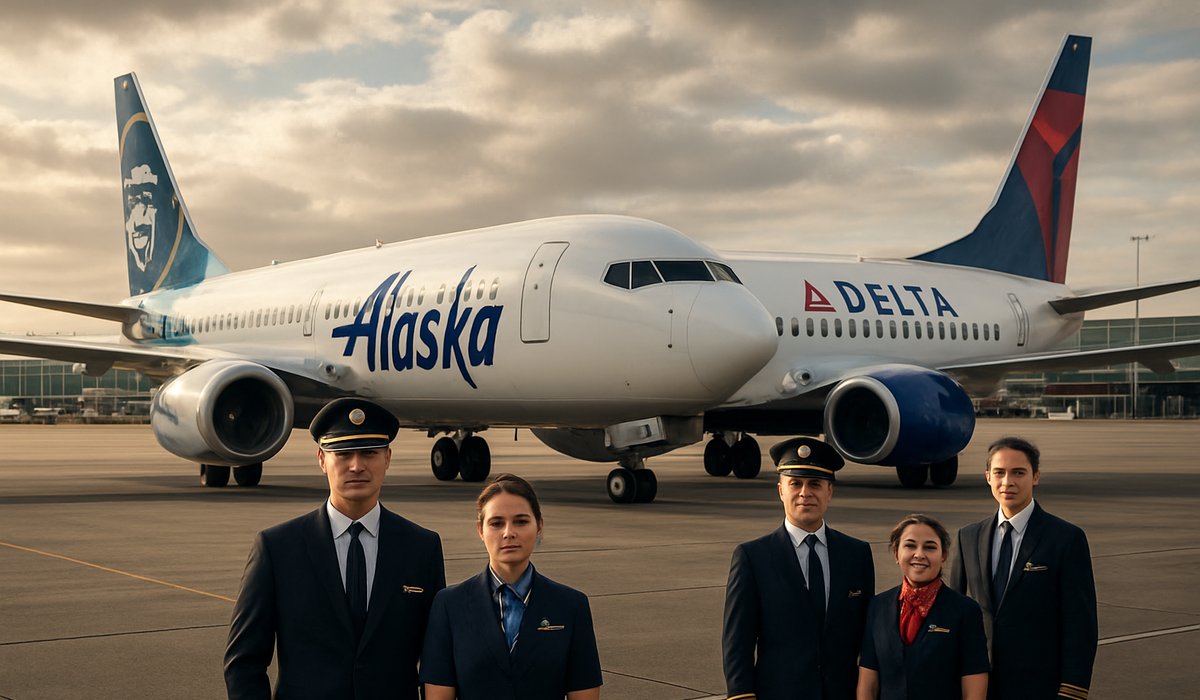
Image generated by AI
Alaska Airlines and Delta: From Strategic Partners to West Coast Rivals in a Decade of Consolidation
How a 2004 codeshare alliance unraveled as Delta expanded aggressively and the aviation industry faced unprecedented disruption
The Alliance That Changed Everything
Two decades ago, the American airline landscape told a markedly different story. Delta Air Lines, struggling to establish a foothold on the lucrative US West Coast, forged a critical partnership with Alaska Airlines in 2004—a codesharing agreement that would reshape competitive dynamics in the region for years to come. Under this arrangement, both carriers could place their airline codes on each other's flights while offering reciprocal frequent flyer benefits, effectively creating a virtual alliance centered on Seattle's strategic hub.
The deal represented a pragmatic solution for Delta, which lacked the capital and market presence to build West Coast operations independently. Alaska Airlines, meanwhile, gained access to Delta's international network and loyal customer base—a win-win arrangement that defined carrier relationships in the early 2000s.
The Unraveling: Growth and Competitive Pressure
However, over the subsequent 13 years, this collaborative relationship deteriorated as Delta accumulated resources and aggressively expanded its West Coast operations. What began as mutual benefit gradually transformed into direct competition, with both carriers increasingly targeting overlapping routes and passenger bases. Delta's strengthened financial position—bolstered by industry consolidation and rising jet fuel revenue opportunities—enabled independent growth strategies that no longer required partnership support.
Industry-Wide Transformation
The shift reflects broader changes sweeping the aviation sector. Rising jet fuel prices, evolving baggage charge structures, and airline fee escalation have forced carriers to compete fiercely for market share. Consolidation among major US carriers has concentrated power, enabling giants like Delta to build redundant networks rather than rely on partner arrangements.
Alaska Airlines and Delta now operate as direct competitors across the Pacific Northwest and California markets, each pursuing independent expansion strategies. The deterioration of their alliance exemplifies how airline partnerships remain vulnerable to shifting market conditions and corporate growth priorities.
FAQ
What was the original purpose of the Alaska Airlines and Delta codesharing agreement? The 2004 agreement allowed Delta to establish West Coast presence through partnership rather than capital-intensive expansion, while Alaska gained access to Delta's broader network and frequent flyer reciprocity.
Why did the Alaska-Delta partnership deteriorate? Delta's improved financial position enabled independent West Coast expansion, making the partnership less strategically valuable. Both carriers increasingly competed on overlapping routes rather than complementing each other.
How do airline codesharing agreements benefit passengers? Codeshares expand route networks, provide seamless connections, and allow customers to earn frequent flyer miles across partner airlines—reducing travel friction.
What external factors contributed to increased airline competition? Rising jet fuel prices, baggage fee structures, and industry consolidation forced carriers to maximize individual profitability rather than maintain partnership arrangements.
Are codesharing partnerships common in modern aviation? Yes, though they've evolved. Major alliances like Star Alliance and OneWorld dominate, but bilateral agreements between carriers remain prevalent, though increasingly competitive pressures challenge their sustainability.
Related Travel Guides
-
Etihad Airways Hits 1.9M Passengers in Feb 2026 — What's Driving the Surge
-
Emirates' A380 Revenue Strategy Exposed: How 15% of Premium Seats Generate Half of Aircraft Revenue
External Resources
Disclaimer
This article is for informational and educational purposes only. It does not constitute legal, financial, or professional advice. While we strive to provide accurate and up-to-date information, travel policies, regulations, and conditions change rapidly. Always verify information with official sources before making travel decisions. Nomad Lawyer makes no representations about the accuracy, reliability, completeness, or suitability of the information provided. Readers should consult qualified professionals for advice specific to their circumstances. The views expressed in this article are those of the author and do not necessarily reflect the views of Nomad Lawyer.
Raushan Kumar
Founder & Lead Developer
Full-stack developer with 11+ years of experience and a passionate traveller. Raushan built Nomad Lawyer from the ground up with a vision to create the best travel and law experience on the web.
Learn more about our team →