
Ho Chi Minh City International Travel Expo 2026 Drives AI Integration and Green Tourism Growth
The 20th Ho Chi Minh City International Travel Expo marks a strategic shift toward AI-driven personalization, sustainable 'green' tourism, and high-value MICE sector expansion in Vietnam.

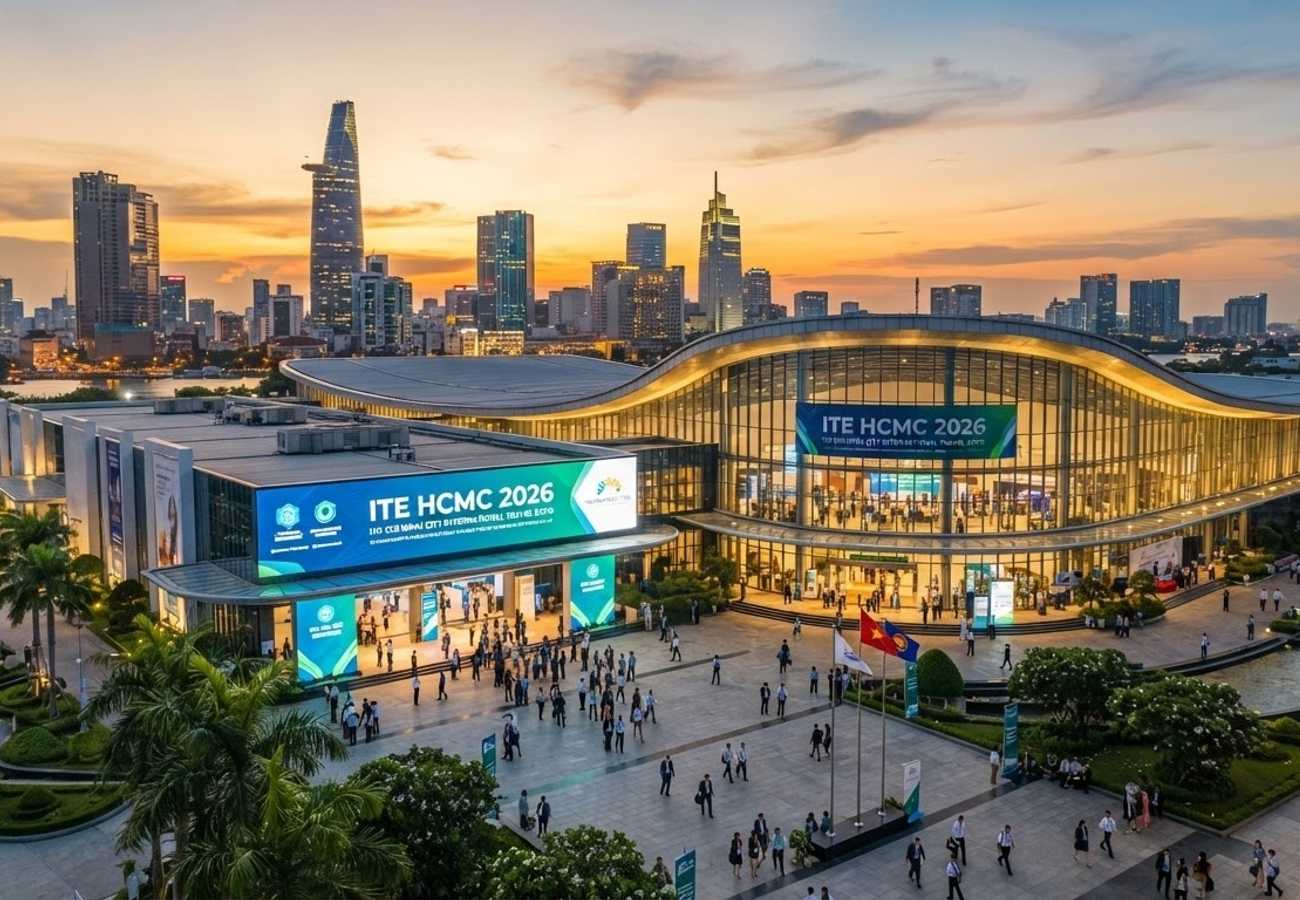
Image generated by AI
The 20th anniversary of the Ho Chi Minh City International Travel Expo has shifted the regional focus from mass tourism to high-value, sustainable growth through the integration of artificial intelligence and eco-conscious infrastructure. This landmark event serves as the primary nexus for connecting Vietnamese destinations with global markets, signaling a new era of digital modernization for the Mekong sub-region.
For two decades, this exhibition has functioned as a barometer for the Southeast Asian travel industry, evolving alongside global economic shifts. The 2026 iteration represents a fundamental departure from traditional tourism marketing, moving away from simple promotional booths toward a sophisticated framework of market connectivity and resilient cross-border cooperation.
AI-Driven Personalization for the Modern Traveler
The integration of artificial intelligence is no longer a futuristic concept but a practical tool deployed across the expo to redefine the user journey. For the individual traveler, this technological shift manifests as hyper-personalized itineraries and seamless booking ecosystems. By utilizing advanced data analytics, travel providers can now offer recommendations that align precisely with contemporary consumer preferences, reducing friction in the planning process.
These digital tools allow for a more agile travel experience, where real-time data informs everything from hotel selection to local activity scheduling. The move toward automation in customer engagement ensures that visitors receive immediate, targeted support, reflecting a broader trend of digital transformation within the Vietnamese hospitality sector.
Scaling Sustainable and Green Tourism Initiatives
A primary pillar of the 2026 expo is the aggressive push toward ecological accountability. Organizers and governmental bodies are prioritizing "green events" to combat the risks of over-tourism in Vietnam’s most popular destinations. This strategy focuses on preserving the environmental integrity of the region while maintaining economic viability.
Travelers are now being directed toward carbon-conscious transit alternatives and eco-friendly accommodations that hold rigorous green certifications. The objective is to move beyond superficial "eco-tourism" labels toward a system where authentic cultural encounters are balanced with a minimized ecological footprint. This transition ensures that the natural landscapes of the Mekong region remain viable for future generations of visitors.
Expanding the High-Value MICE Sector in Vietnam
Industry experts at the event have identified a decisive structural pivot toward MICE tourism—Meetings, Incentives, Conferences, and Exhibitions. By targeting this segment, Vietnam aims to attract higher-spending business delegates rather than relying solely on leisure volume.
Reports from high-level forums indicate that the global business travel sector is reaching new financial peaks. In response, local operators in Ho Chi Minh City and surrounding provinces are upgrading infrastructure and service standards to meet the demands of international corporate entities. Aviation networks and hospitality groups are utilizing AI to predict demand fluctuations and optimize operational workflows, ensuring that the city can handle large-scale international delegations with efficiency.
Trade Ecosystem and Business Connectivity
The expo functions as a centralized hub for an extensive ecosystem of international buyers, government delegates, and technology providers. To facilitate actual economic output, the organizing committee has implemented a systematic approach to business-to-business (B2B) interactions.
Thousands of structured appointments are pre-arranged to ensure that contract negotiations and partnership formations are data-driven and efficient. The event brings together key players from:
- Aviation: New route developments and fleet optimizations.
- Hospitality: Sustainable resort management and luxury upgrades.
- Transport: Integration of electric and low-emission transit.
- Travel Technology: AI-matching platforms and digital booking tools.
Attendees are encouraged to use official digital applications to navigate the exhibition floor and manage their matchmaking schedules, reflecting the event's own commitment to the digital-first philosophy it promotes.
Strategic Shift: Volume vs. Value
The 2026 framework demonstrates a stark contrast to previous editions of the travel expo. In earlier years, the primary goal was numerical growth—increasing the total count of arrivals through generalized consumer awareness and the distribution of traditional brochures.
The current strategy prioritizes "sustainable yield." This means focusing on:
- Length of Stay: Encouraging visitors to remain longer in-country to increase per-capita spending.
- Targeted Demographics: Attracting high-net-worth individuals and corporate travelers via the MICE sector.
- Environmental Impact: Shifting the metric of success from "total visitors" to "minimal footprint per visitor."
By leveraging sophisticated data analytics and green certifications, the expo is redefining what success looks like for the Vietnamese tourism industry.
Why This Matters: The Real-World Impact
For the traveler and the digital nomad, this shift in Vietnam's tourism strategy creates a more sophisticated environment. The move toward AI-driven personalization means fewer "tourist traps" and more authentic, tailored experiences. From a logistical standpoint, the investment in MICE infrastructure improves the overall quality of hotels and transport for everyone, not just business travelers.
Furthermore, the emphasis on green tourism provides a legal and ethical framework for travel. As global regulations on carbon emissions tighten, Vietnam's proactive adoption of green certifications ensures that it remains a competitive and compliant destination for international travelers who are increasingly mindful of their environmental impact.
Vietnam is no longer just selling a destination; it is engineering a sustainable, tech-enabled travel ecosystem.
Related Travel Guides
Disclaimer
This article is for informational and educational purposes only. It does not constitute legal, financial, or professional advice. While we strive to provide accurate and up-to-date information, travel policies, regulations, and conditions change rapidly. Always verify information with official sources before making travel decisions. Nomad Lawyer makes no representations about the accuracy, reliability, completeness, or suitability of the information provided. Readers should consult qualified professionals for advice specific to their circumstances. The views expressed in this article are those of the author and do not necessarily reflect the views of Nomad Lawyer.
Kunal K Choudhary
Co-Founder & Contributor
A passionate traveller and tech enthusiast. Kunal contributes to the vision and growth of Nomad Lawyer, bringing fresh perspectives and driving the community forward.
Learn more about our team →