
Rising Jet Fuel Prices Squeeze Low-Cost Airline Profits and Trigger Fare Hikes in 2026
War-driven spikes in jet fuel prices are eroding margins for low-cost carriers in 2026, forcing a strategic shift toward ancillary revenue and capacity cuts.

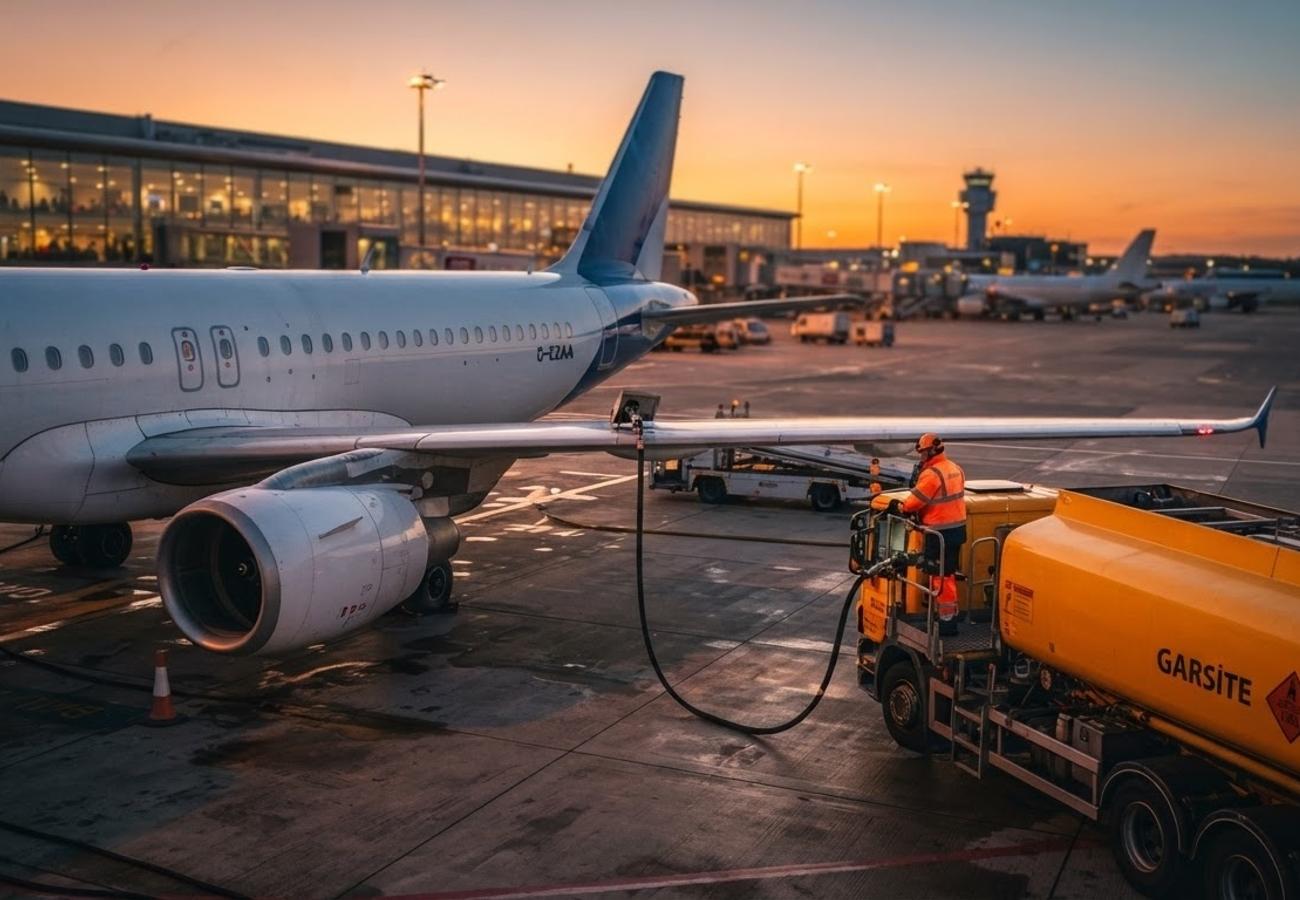
Image generated by AI
Geopolitical instability in the Middle East has triggered a sustained surge in jet fuel prices, placing unprecedented pressure on low-cost and ultra-low-cost carriers (ULCCs) during the 2026 peak summer travel season.
The aviation sector is currently grappling with a widened "crack spread"—the price gap between crude oil and refined jet fuel. This phenomenon ensures that aviation fuel remains expensive even during periods when crude oil prices fluctuate, directly inflating operating costs for carriers that rely on high-volume, low-margin business models.
According to the International Air Transport Association (IATA), these fuel costs, compounded by war-related disruptions, are projected to reduce global airline profitability by approximately 50% in 2026 compared to previous forecasts. Because fuel typically represents 20% to 25% of total operating expenses, these price spikes impact balance sheets almost immediately.
Strategic Divergence: European Hedging vs. North American Exposure
The current crisis has highlighted a massive divide in risk management strategies between European and North American budget airlines.
The European Model: Proactive Hedging Leading European discounters have utilized aggressive hedging programs to lock in fuel prices before the 2026 crisis.
- Ryanair: Entered 2026 with approximately 80% (four fifths) of its fuel consumption hedged.
- easyJet: Utilizes layered hedging covering a majority of near-term requirements.
These protections allow these carriers to maintain competitive base fares while their unhedged competitors are forced to raise prices. However, as these contracts roll off, these cost increases will eventually reach the consumer.
The North American Model: Spot Market Reliance In contrast, most U.S. airlines abandoned hedging years ago, opting to purchase fuel at spot prices for greater flexibility. This has left North American ULCCs dangerously exposed to geopolitical volatility.
The collapse of Spirit Airlines in May 2026 serves as a primary case study. Analysis indicates that a combination of rising jet fuel costs, heavy debt loads, and aggressive fare competition from legacy carriers' "basic economy" offerings created a fatal margin squeeze.
Operational Responses to Cost Inflation
To offset the fuel shock, low-cost carriers are deploying three primary tactical levers:
- Capacity Discipline: Reducing flights on marginal or less profitable routes to maximize load factors on high-demand sectors.
- Dynamic Pricing: Implementing aggressive fare hikes for new bookings, particularly for peak summer and holiday dates.
- Ancillary Revenue Push: Increasing reliance on fees for seat selection, baggage, and priority boarding to lift unit revenue.
Aviation Cost Impact Summary 2026
| Metric | Impact / Status | Detail |
|---|---|---|
| Global Profitability | $\approx$ 50% Decrease | IATA forecast vs. earlier 2026 projections |
| Fuel Expense Ratio | 20% – 25% | Typical share of total operating costs |
| Ryanair Hedge Ratio | $\approx$ 80% | Fuel consumption locked at pre-crisis prices |
| U.S. Strategy | Spot Market | High exposure to immediate price volatility |
| Key Failure | Spirit Airlines | Collapsed May 2026 due to fuel and debt |
Why This Matters: The Erosion of the Budget Advantage
From a logistical and market perspective, this fuel spike is doing more than just lowering profits—it is attacking the fundamental value proposition of the low-cost carrier.
For travelers, the real impact is the shrinking price gap between "no-frills" and full-service airlines. When a budget ticket price rises to meet a legacy carrier's basic economy fare, the incentive to trade off comfort and service for price vanishes. Our analysis of current pricing trends suggests that if the fare gap continues to close, we will see a significant shift in booking patterns, as passengers migrate back to network carriers for better inclusive service at similar price points.
Furthermore, the "Spirit effect" warns that smaller carriers without massive balance sheets or sophisticated hedging are now high-risk entities. The industry is moving toward a period of forced consolidation.
Industry Outlook
If fuel prices remain elevated into 2027, the aviation landscape will likely undergo a structural reset. Expect the following:
- Accelerated Fleet Renewal: A faster transition to next-generation, fuel-efficient aircraft to lower the break-even point per seat.
- Market Consolidation: Stronger, well-hedged groups will likely acquire the assets or slots of failing smaller discounters.
- Permanent Fare Floor: A structurally higher baseline for budget airfares, ending the era of ultra-cheap promotional fares on many short-haul routes.
The budget airline sector is no longer just fighting competitors; it is fighting the volatility of global energy markets.
Related Travel Guides
Disclaimer
This article is for informational and educational purposes only. It does not constitute legal, financial, or professional advice. While we strive to provide accurate and up-to-date information, travel policies, regulations, and conditions change rapidly. Always verify information with official sources before making travel decisions. Nomad Lawyer makes no representations about the accuracy, reliability, completeness, or suitability of the information provided. Readers should consult qualified professionals for advice specific to their circumstances. The views expressed in this article are those of the author and do not necessarily reflect the views of Nomad Lawyer.
Preeti Gunjan
Contributor & Community Manager
A passionate traveller and community builder. Preeti helps grow the Nomad Lawyer community, fostering engagement and bringing the reader experience to life.
Learn more about our team →