
United Airlines Strips Premium Perks from New Budget Polaris Fare, Sparking Industry Backlash
Breaking airline news and aviation industry updates for 2026.

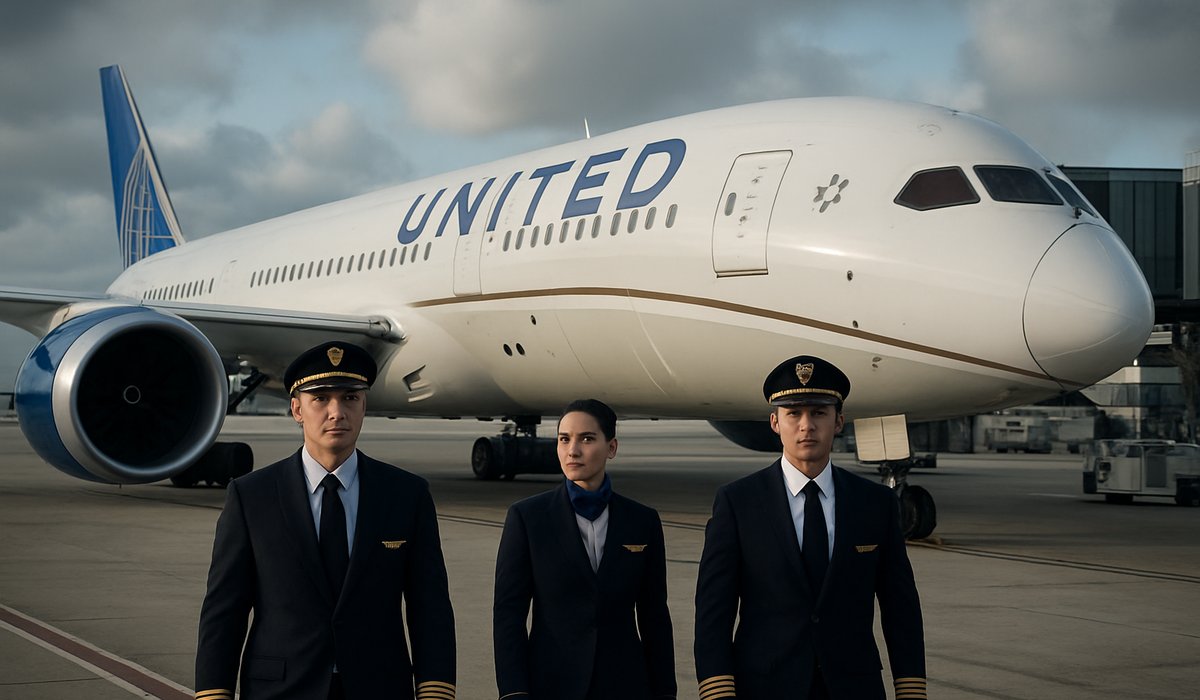
Image generated by AI
United Airlines Strips Premium Perks from New Budget Polaris Fare, Sparking Industry Backlash
The carrier's three-tier cabin restructuring raises questions about what "premium" really means as airlines chase ancillary revenue
The New Polaris Reality: More Choice, Fewer Perks
United Airlines has introduced a restructured premium cabin strategy that fractures its flagship Polaris business class into three distinct pricing tiers—Base, Standard, and Flexible—fundamentally reshaping what travelers can expect from one of aviation's most recognizable luxury brands. While the carrier frames the initiative as expanded consumer choice, the move has ignited sharp criticism focused primarily on what passengers are losing rather than gaining at the entry-level Base tier.
The core Polaris amenities—lie-flat seating and multi-course dining service—remain intact across all three categories. However, the Base offering strips away numerous ancillary services that have traditionally defined the premium experience, signaling a broader industry trend toward unbundling cabin features and monetizing elements once considered standard inclusions.
What's Being Cut from Base Polaris
United's three-tier approach represents a deliberate segmentation strategy aimed at capturing different spending profiles within its business traveler demographic. Passengers selecting the Base Polaris fare—positioned as the entry point into the premium cabin—will encounter material differences in amenities compared to higher-priced alternatives, though the airline has not provided exhaustive public disclosure of every service reduction.
Industry analysts point to typical reductions in this category: premium ground service amenities, priority check-in and boarding benefits, seat selection restrictions, and reduced baggage allowances have historically characterized such downgraded premium offerings across the global aviation sector. The timing of this restructuring reflects mounting pressure on airline profit margins amid persistent jet fuel price volatility and post-pandemic demand uncertainty.
Industry Context: The Unbundling Trend Accelerates
United's Polaris restructuring arrives amid an industry-wide shift toward premium cabin disaggregation. As legacy carriers compete for revenue in an increasingly price-sensitive market, separating once-bundled services into standalone charges has become standard practice. Airlines justify these moves as necessary responses to operating cost pressures, though consumer advocates argue they fundamentally devalue premium positioning.
The aviation industry has witnessed steady increases in ancillary revenue generation over the past decade, with baggage charges, seat selections, and specialty services now representing a significant portion of carrier profitability. United's approach amplifies this strategy by creating internal competition within its own premium cabin—forcing business travelers to evaluate whether additional expenditure justifies upgraded amenities.
Market Implications and Competitive Positioning
The structural shift raises questions about premium cabin differentiation in an increasingly commoditized market. Competing carriers will likely monitor customer response closely before considering similar implementations, particularly given the vocal backlash United has already encountered among frequent fliers and industry observers.
FAQ: Understanding United's New Polaris Fare Structure
What exactly is included in United's Base Polaris fare? Base Polaris retains lie-flat seating and meal service but eliminates numerous traditional premium cabin amenities. United has not publicly detailed every service reduction, creating confusion among potential customers.
How do airline baggage charges and premium cabin fees connect? Modern airlines increasingly unbundle services once included in ticket prices. Premium cabin restructuring often includes baggage restrictions or charges, forcing passengers to pay separately for services previously included.
Why are jet fuel prices driving changes to premium cabin offerings? Rising aviation fuel costs squeeze airline margins, prompting carriers to restructure revenue models. Ancillary fees and premium cabin segmentation help offset operational cost increases.
Will other major airlines implement similar three-tier premium systems? Industry trends suggest competitors will likely introduce comparable structures, though timing and approach may vary based on market positioning and customer feedback to United's rollout.
How does this impact business travel budgets and corporate contracts? Corporate travel managers must renegotiate agreements to account for reduced premium cabin inclusions, potentially increasing overall business travel expenditure despite airline marketing of "choice."
Related Travel Guides
Disclaimer
This article is for informational and educational purposes only. It does not constitute legal, financial, or professional advice. While we strive to provide accurate and up-to-date information, travel policies, regulations, and conditions change rapidly. Always verify information with official sources before making travel decisions. Nomad Lawyer makes no representations about the accuracy, reliability, completeness, or suitability of the information provided. Readers should consult qualified professionals for advice specific to their circumstances. The views expressed in this article are those of the author and do not necessarily reflect the views of Nomad Lawyer.
Raushan Kumar
Founder & Lead Developer
Full-stack developer with 11+ years of experience and a passionate traveller. Raushan built Nomad Lawyer from the ground up with a vision to create the best travel and law experience on the web.
Learn more about our team →