
Boeing 787 vs. Airbus A350: How Modern Cockpit Design Divides the Aviation Industry
Breaking airline news and aviation industry updates for 2026.

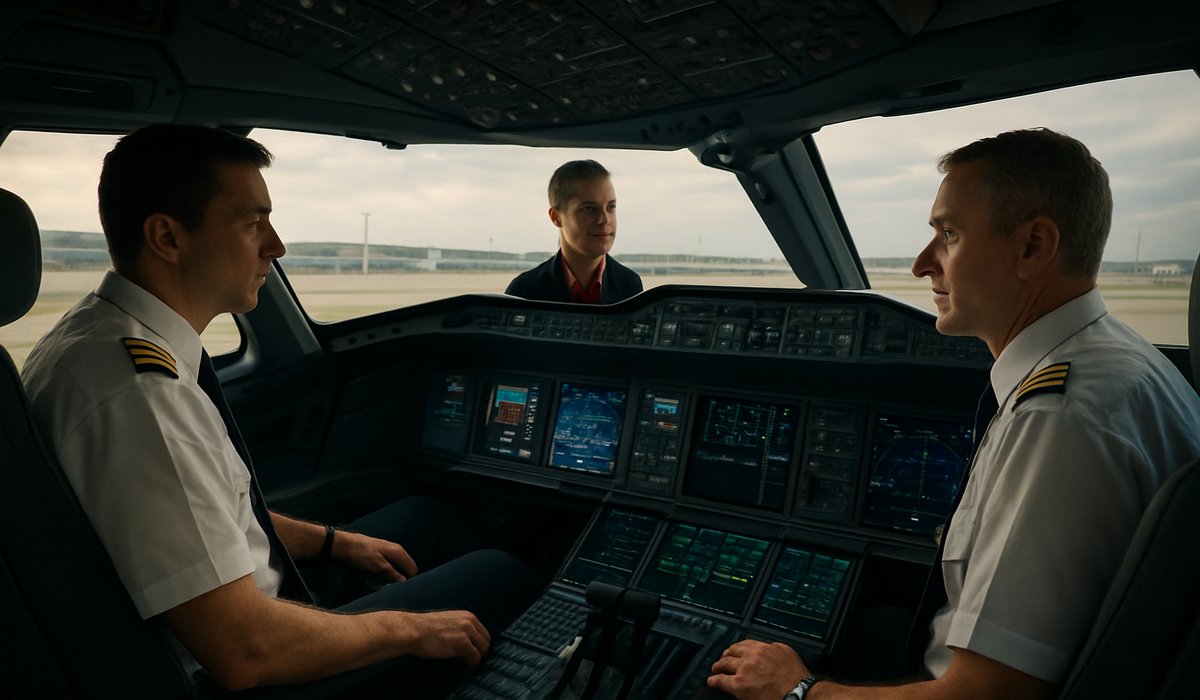
Image generated by AI
Boeing 787 vs. Airbus A350: How Modern Cockpit Design Divides the Aviation Industry
As airlines invest billions in next-generation aircraft, pilots reveal stark differences in how Boeing and Airbus approach flight deck philosophy
Competing Visions Shape Modern Aviation Cockpits
The aviation industry's two dominant manufacturers have long pursued fundamentally different approaches to cockpit design, and nowhere is this ideological divide more apparent than in their latest flagship aircraft. The Boeing 787 Dreamliner and Airbus A350 XWB represent the cutting edge of commercial aviation technology, yet they embody contrasting philosophies about how pilots should interact with modern aircraft systems. Both designs prioritize safety, but they achieve this goal through markedly different methodologies—a distinction that has become increasingly pronounced as these aircraft have entered service with major global carriers.
Launched within just four years of each other, these twin titans of long-haul aviation showcase how two engineering powerhouses can reach similar destinations through divergent paths. While the A350 commands a slight size advantage, both aircraft represent generational leaps forward in efficiency, passenger comfort, and operational capability. However, professional pilots transitioning between these cockpits consistently report immediate, tangible differences in their working environment.
Philosophy Divided: Design Approach and Pilot Interface
Airbus and Boeing have historically maintained distinct design philosophies that extend well beyond aesthetic considerations. These fundamental differences permeate every aspect of flight deck architecture, from control layout to automation integration and pilot-machine interaction protocols.
The fundamental distinction lies in how each manufacturer envisions pilot authority and system automation. Boeing traditionally emphasizes direct pilot control, designing interfaces that keep aviators closely connected to aircraft handling characteristics. Airbus, conversely, has championed an abstraction model where sophisticated automation manages many flight parameters, with pilots serving as system supervisors and decision-makers rather than hands-on controllers.
This philosophical gap translates into measurable differences in cockpit ergonomics, control logic, and procedural workflows. Professional aviators switching between the 787 and A350 must recalibrate their muscle memory, adapt to different automation hierarchies, and adjust to contrasting approaches in system alerting and guidance presentation.
Industry Response and Pilot Preferences
Remarkably, neither design has emerged as objectively superior from a safety standpoint. Both aircraft maintain exceptional safety records with global operators, underscoring that effective cockpit design transcends any single architectural philosophy. Instead, pilot preferences remain deeply personal, reflecting individual experience, training backgrounds, and personal flying styles.
The aviation industry continues to benefit from this productive competition. As airlines expand their long-range fleet deployments across both aircraft types, pilot communities remain divided in their preferences—a healthy dynamic that pushes both manufacturers toward continuous refinement and innovation in cockpit technology.
Frequently Asked Questions
What are the main cockpit differences between the Boeing 787 and Airbus A350? The 787 emphasizes direct pilot control and tactile feedback, while the A350 leverages advanced automation with pilots acting as system supervisors. Control logic, alerting systems, and interface layouts differ significantly between the two designs.
Which aircraft cockpit do pilots prefer? Preferences are evenly split among aviation professionals. Both designs have passionate advocates; individual preference typically depends on training background and flying experience rather than objective superiority.
How long does it take pilots to transition between the two cockpits? Type-rating training typically requires 6-8 weeks of intensive instruction, though experienced aviators adapt to the philosophical differences within days of systematic exposure.
Are Boeing 787 and Airbus A350 cockpits equally safe? Yes. Both aircraft maintain exemplary safety records. Neither design philosophy has proven inherently safer than the other in operational practice.
What does this mean for airline operations? Airlines operating mixed fleets must invest in comprehensive cross-training programs, though pilot adaptability and modern training systems make this operationally feasible and cost-effective.
Related Travel Guides
Flight Delay Compensation Guide 2026
Understanding Airline Route Changes
Airport Security Process Updated (2026)
External Resources
Disclaimer
This article is for informational and educational purposes only. It does not constitute legal, financial, or professional advice. While we strive to provide accurate and up-to-date information, travel policies, regulations, and conditions change rapidly. Always verify information with official sources before making travel decisions. Nomad Lawyer makes no representations about the accuracy, reliability, completeness, or suitability of the information provided. Readers should consult qualified professionals for advice specific to their circumstances. The views expressed in this article are those of the author and do not necessarily reflect the views of Nomad Lawyer.
Preeti Gunjan
Contributor & Community Manager
A passionate traveller and community builder. Preeti helps grow the Nomad Lawyer community, fostering engagement and bringing the reader experience to life.
Learn more about our team →