FCDO Tightens Travel Advice for 13 States Including Turkey and Egypt in October 2026


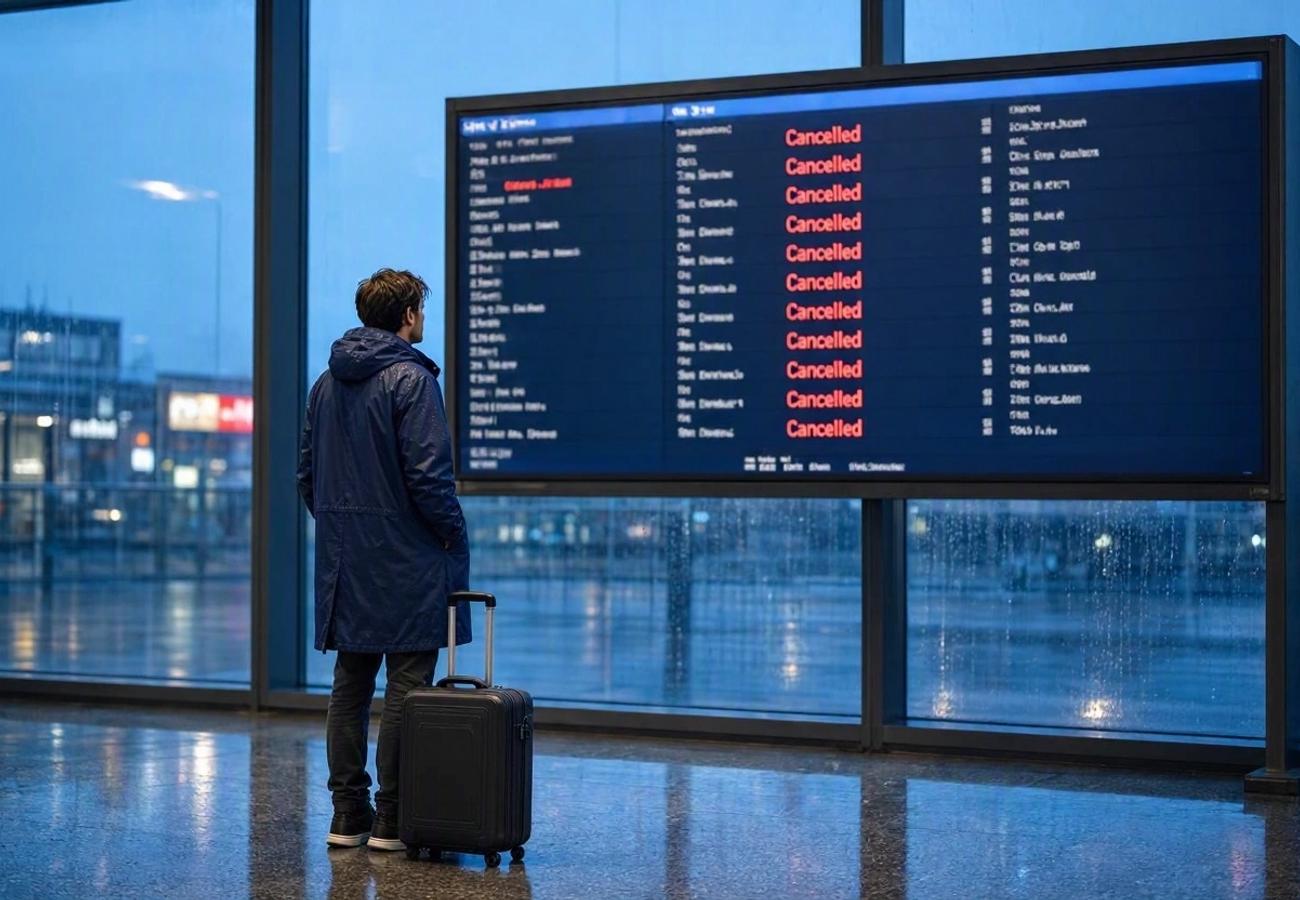
Image generated by AI
Are you planning a trip or connection through the Middle East this winter? New updates from the UK Foreign, Commonwealth and Development Office (FCDO) have sharpened warnings for 13 destinations, specifically targeting airspace stability and insurance validity for those routing through Turkey and Egypt.
Regional Security Shifts and Transit Risks
In late October 2026, the FCDO revised its guidance for a cluster of 13 nations, citing an unpredictable security environment in the Middle East. This is not a blanket ban on travel, but a strategic update to the "regional tensions" and "safety and security" sections of official country pages. The primary concern is the potential for sudden escalation involving Iran and other regional actors, which could lead to abrupt airspace closures or flight diversions.
The affected destinations include:
- Major Hubs: Turkey, United Arab Emirates, Qatar, Bahrain, Oman, Kuwait, and Saudi Arabia.
- High-Risk Zones: Israel, Occupied Palestinian Territories, Iran, Iraq, Syria, and Yemen.
- Regional Neighbors: Jordan and Pakistan.
While the core risk levels for many of these countries remain unchanged, the new narrative warns that even stable tourism hubs can experience short-notice operational disruptions.
Route and Security Status Details
The following table breaks down the current status of key transit points and restricted zones as of October 2026.
| Destination | General Status | Restricted Areas (Do Not Travel) | Primary Risk Factor |
|---|---|---|---|
| Turkey | Permitted (Main Cities/Coasts) | Within 10km of Syrian border | Terrorism / Airspace Volatility |
| Egypt | Permitted (Nile/Red Sea) | North Sinai; Egypt-Libya border | Terrorism / Airspace Volatility |
| UAE / Qatar | Permitted | N/A | Regional Escalation |
| Saudi Arabia | Permitted | Specific border regions | Regional Escalation |
| Syria / Yemen | Restricted | Entire Country | Armed Conflict |
Traveler Logistics Guide
When the FCDO updates language regarding "regional tensions," the impact is felt most heavily in the fine print of your insurance and the timing of your connections. Here is how to manage your logistics:
1. Audit Your Insurance Policy Most UK travel insurance policies are void if you enter a region where the FCDO advises "against all travel" or "all but essential travel." If your itinerary includes a stopover in a high-risk state or a detour near a restricted border (such as the Syrian border in Turkey), your entire policy could be invalidated. Contact your provider to confirm "permitted area" coverage.
2. Manage Airspace and Connection Buffers With the risk of sudden airspace closures, flights into Cairo, Hurghada, Sharm el Sheikh, and Istanbul may face diversions.
- Layover Strategy: Increase your connection window to a minimum of 4-6 hours when transiting through Gulf hubs or Istanbul to account for rerouting.
- Monitoring: Use the Foreign, Commonwealth & Development Office (FCDO) official site to register for email alerts for your specific destination.
3. Ground Transport and Border Awareness If you are visiting Red Sea resorts in Egypt or the south coast of Turkey (Antalya, Bodrum), verify your transfer routes. Avoid overland excursions that approach the Sudanese border in Egypt or the Syrian border in Turkey. Use Google Maps cross-referenced with official FCDO boundary maps to ensure your hotel and tour operators are not operating in "essential travel only" zones.
4. Digital Documentation Keep offline copies of your policy wording, specifically the sections on "Government Advice" and "Cancellation." If a route is suddenly upgraded to "do not travel," these documents are the only way to secure a refund from a tour operator or insurance claim.
Regional Connectivity Impact
This update reshapes how travelers should view the Middle East not as individual destinations, but as an interconnected transit web. A conflict in one state can trigger a "domino effect" of airspace closures across the other 12 affected nations.
For those utilizing major carriers, this means a higher likelihood of schedule changes. Travelers should maintain a contingency fund for unplanned accommodation if a diversion occurs. The shift toward "operational disruption" warnings suggests that while the destinations are open, the process of getting there is now higher-risk. This is particularly relevant for multi-stop business itineraries or cruises that dock in multiple regional ports.
FAQ: Middle East Transit 2026
Do I need a new visa because of the FCDO update? No. FCDO updates are travel advisories, not legal entry requirements. Your visa status remains unchanged, but your insurance validity may be affected.
Can I still fly into Istanbul or Cairo? Yes, these remain open. However, you should monitor your flight status closely as regional tensions may cause airlines to reroute flights or change schedules without notice.
Will my travel insurance cover me in Turkey or Egypt? Generally yes, provided you stay in the permitted tourist zones. Coverage is typically void if you enter the Syrian border zone in Turkey or North Sinai in Egypt.
How long should my layover be during these tensions? I recommend extending layovers to at least 4-6 hours. Sudden airspace changes can lead to delays that make tight 90-minute connections impossible.
Stay alert, keep your documents digital, and always check the border maps before booking an excursion.
Related Travel Guides
This article is for informational purposes. Flight routes, passenger regulations, visa rules, and transit advisories are subject to change by airlines and aviation authorities. Readers are advised to verify schedules and travel documentation with relevant carriers and border agencies before departure.
Related Stories
UK FCDO Updates Travel Advice for Turkey, Egypt and 11 Other Nations in 2026

UK Travel Warning for Gulf States: Impact on 2026 Formula One Bahrain, Qatar, and Saudi Arabia Races