
Hawaii Tourism Revolution 2026: Higher-Spending Visitors Reshape Island Travel

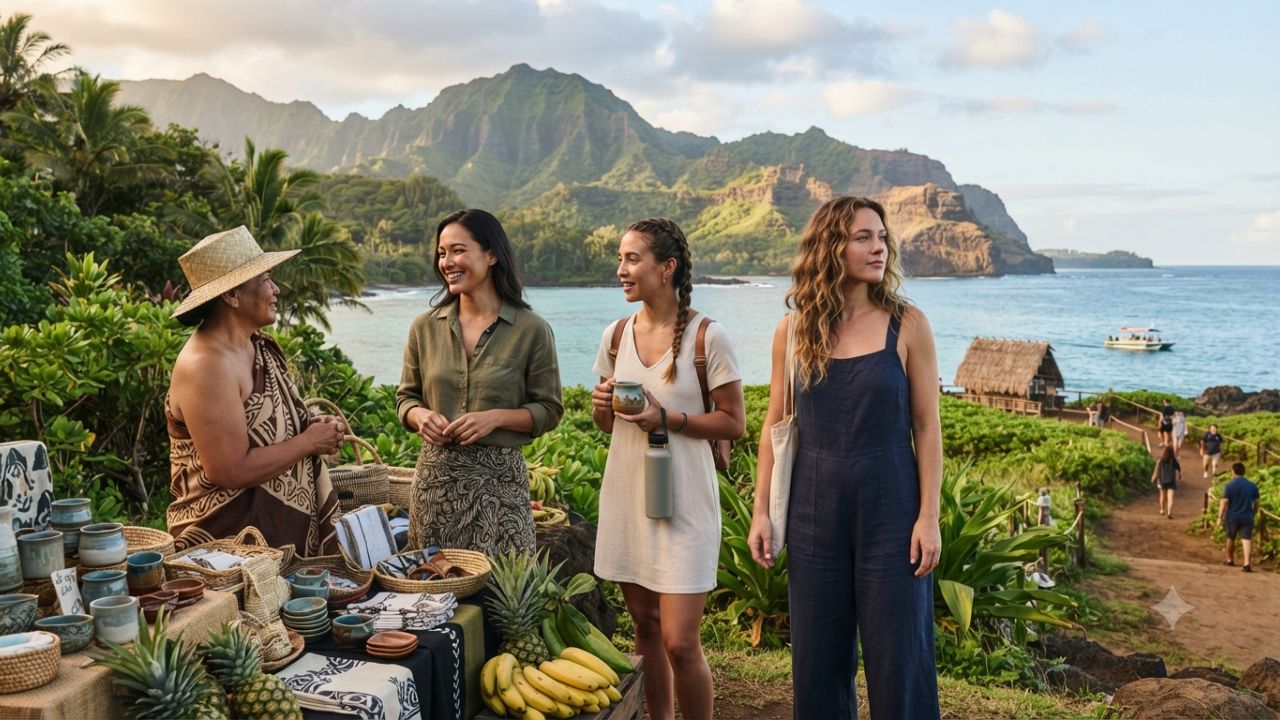
Even as total flight passenger arrivals fluctuated across the archipelago, statewide visitor expenditure surged to unprecedented heights in mid-2026, reaching $1.77 billion in May, $1.98 billion in June, and $1.99 billion in July. This continuous fiscal climb reflects Hawaii's decisive break from the antiquated post-war model of high-volume mass tourism. By redirecting tourism policy toward high-value, community-conscious travelers who stay longer and invest directly into local businesses, the islands are pioneering a regenerative model that safeguards fragile island ecosystems while delivering greater economic returns to resident communities.
The Post-Volume Pivot: How Hawaii Is Rewriting Island Economics
For over half a century, the health of Hawaii's tourism economy was measured almost exclusively by raw visitor headcount. That volume-driven philosophy created severe strain on public beach parks, traffic corridors, coral reef ecosystems, and local housing markets across Oahu, Maui, Kauai, and Hawaii Island. Today, strategic destination management frameworks spearheaded by the Hawaii Tourism Authority prioritize resident quality of life, environmental stewardship, and cultural integrity over sheer passenger arrival numbers.
Official economic data underscores that targeting mindful, higher-spending travelers yields superior community dividends. Daily visitor expenditures rose consistently throughout the summer of 2026, demonstrating that travelers are eager to pay premium rates for authentic culinary programs, guided historical tours, and marine conservation experiences. Resources and itinerary guidance curated through the official state portal Go Hawaii actively channel visitor spending away from offshore corporate intermediaries and directly toward Native Hawaiian cultural practitioners, small-scale farmers, and family-operated marine outfitters.
What Sets Hawaii's Four Major Islands Apart Under the Regenerative Model
Each island across the Hawaiian chain offers a distinct geographic character and cultural personality. Rather than treating the islands as interchangeable tropical resort backdrops, the modern travel model encourages visitors to engage deeply with the specific natural history and community traditions of each island destination.
Honolulu on Oahu balances cosmopolitan culinary hubs and historic royal residences with world-renowned surf breaks along the North Shore. Maui channels visitor energy into marine sanctuary protection, coastal restoration, and upcountry agricultural estates. The Big Island (Hawaii Island) showcases dramatic volcanic summits within Hawaii Volcanoes National Park alongside world-class astronomical research hubs atop Mauna Kea. Meanwhile, Kauai preserves rugged wilderness canyons and dramatic sea cliffs that demand rigorous environmental protection.
| Island Destination | Distinctive Natural & Cultural Core | High-Impact Visitor Activities | Primary Conservation Focus |
|---|---|---|---|
| Oahu (Honolulu & North Shore) | Iolani Palace heritage, Bishop Museum, historic surf culture | Farm-to-table dining in Kakaako, guided historical walking tours | Managing beach park congestion and preserving historic sites |
| Maui (Valley Isle) | Haleakala crater sunrises, Upcountry farms, marine sanctuaries | Whale research charters, organic coffee and taro farm tastings | Protecting coastal coral reefs and post-disruption community recovery |
| Hawaii Island (Big Island) | Active volcanic calderas, Mauna Kea astronomy, Kona coffee belt | Guided night manta ray snorkeling, coffee plantation immersions | Volcanic geological preservation and native forest restoration |
| Kauai (Garden Isle) | Waimea Canyon, Na Pali coast cliffs, lush river valleys | Botanical garden tours, guided kayak river expeditions | Preventing trail erosion and protecting endemic rainforest bird habitats |
By distributing visitor foot traffic thoughtfully across diverse island environments, state planners prevent over-tourism bottlenecks in sensitive ecological zones while spreading tourism revenue across rural island districts.
Visitor Insider Tips for Mindful Island Exploration
- Adopt the Practice of Mālama Through Hands-on Voluntourism: Dedicate a morning of your stay to participate in beach cleanups, native tree planting, or ancient taro patch (loʻi kalo) restoration with local non-profit groups. Many luxury resorts offer booking credits or discounted room rates for guests who actively engage in verified community stewardship projects.
- Use Mandatory Mineral-Only Reef-Safe Sunscreens: Hawaii state law strictly bans chemical sunscreens containing oxybenzone, octinoxate, and other synthetic additives that bleach coral reefs. Purchase locally formulated zinc oxide or titanium dioxide sun protection upon arrival at neighborhood island pharmacies.
- Reserve Park Entries and Sunrise Permits Weeks in Advance: High-demand natural attractions—including Haena State Park on Kauai, Haleakala summit at sunrise on Maui, and Diamond Head (Leahi) on Oahu—require advanced online reservation systems. Book your entry slots at least 30 days ahead to guarantee access.
- Eat Exclusively at Local Neighborhood Food Trucks and Co-Ops: Bypass international corporate chain restaurants to dine at independent poke counters, traditional plate-lunch diners, and roadside fruit stands. Savor locally caught ahi, poi, kalua pork, and fresh dragon fruit, ensuring your food budget supports regional fishermen and farmers.
- Respect Cultural Kapu and Sacred Ancestral Spaces: Heiau (ancient temple platforms) and sacred burial grounds are active cultural sites, not casual photo stages. Never move, stack, or remove volcanic basalt stones, and heed all posted advisory signs regarding private community boundaries.
Cultural Kuleana and Ecological Stewardship in the 21st Century
At the philosophical center of Hawaii's tourism evolution lies the traditional Hawaiian concept of kuleana—a profound reciprocal relationship of privilege, responsibility, and civic duty. For centuries, Native Hawaiian society managed resources through the ahupuaʻa system, self-sustaining socio-ecological land divisions extending from high mountain ridges down to offshore barrier reefs. When tourists respect this interconnected ecological balance, they transition from passive consumers into respectful guests.
Environmental initiatives across the archipelago are tackling pressing modern challenges, including marine plastic accumulation, invasive plant proliferation, and coastal erosion caused by sea-level rise. Revenue generated from elevated visitor spending is increasingly earmarked for environmental trust funds that finance watershed protection, coral nursery cultivation, and endangered species recovery programs for native wildlife like the Hawaiian monk seal (ʻilioholoikauaua) and green sea turtle (honu).
By honoring local cultural protocols, listening to resident voices, and contributing meaningfully to island preservation, travelers ensure that Hawaii's cultural vitality and natural splendor endure for generations to come.
FAQ: Visiting Hawaii 2026
Why has Hawaii shifted toward higher-spending visitor tourism?
Hawaii adopted a value-over-volume model to reduce overcrowding, protect fragile coral reefs, and ensure tourism revenue directly supports local residents, small businesses, and infrastructure.
How much did visitors spend in Hawaii during summer 2026?
Official tourism data recorded visitor spending of $1.77 billion in May 2026, $1.98 billion in June 2026, and $1.99 billion in July 2026.
Do I need reservations to visit state parks and national landmarks in Hawaii?
Yes. Major sites like Haena State Park on Kauai, Diamond Head on Oahu, and Haleakala summit on Maui require advance timed reservations to manage foot traffic.
What sunscreen is legally permitted on Hawaii beaches?
Hawaii requires mineral-based sunscreens containing only zinc oxide or titanium dioxide. Chemical formulas with oxybenzone and octinoxate are illegal to protect coral reefs.
Embracing the islands with mindfulness and cultural reverence proves that the true luxury of Hawaii is not simply in visiting paradise, but in actively helping protect it.
Related Travel Guides
Disclaimer
This article is for informational and educational purposes only. It does not constitute legal, financial, or professional advice. While we strive to provide accurate and up-to-date information, travel policies, regulations, and conditions change rapidly. Always verify information with official sources before making travel decisions. Nomad Lawyer makes no representations about the accuracy, reliability, completeness, or suitability of the information provided. Readers should consult qualified professionals for advice specific to their circumstances. The views expressed in this article are those of the author and do not necessarily reflect the views of Nomad Lawyer.
Raushan Kumar
Founder & Lead Developer
Full-stack developer with 11+ years of experience and a passionate traveller. Raushan built Nomad Lawyer from the ground up with a vision to create the best travel and law experience on the web.
Learn more about our team →