
Hawaii Health Alert: Oahu Reports New Imported Dengue Case as 2026 Total Hits Eight
Oahu has confirmed a new imported case of dengue fever, bringing Hawaii's 2026 total to eight infections, all linked to Pacific travel.

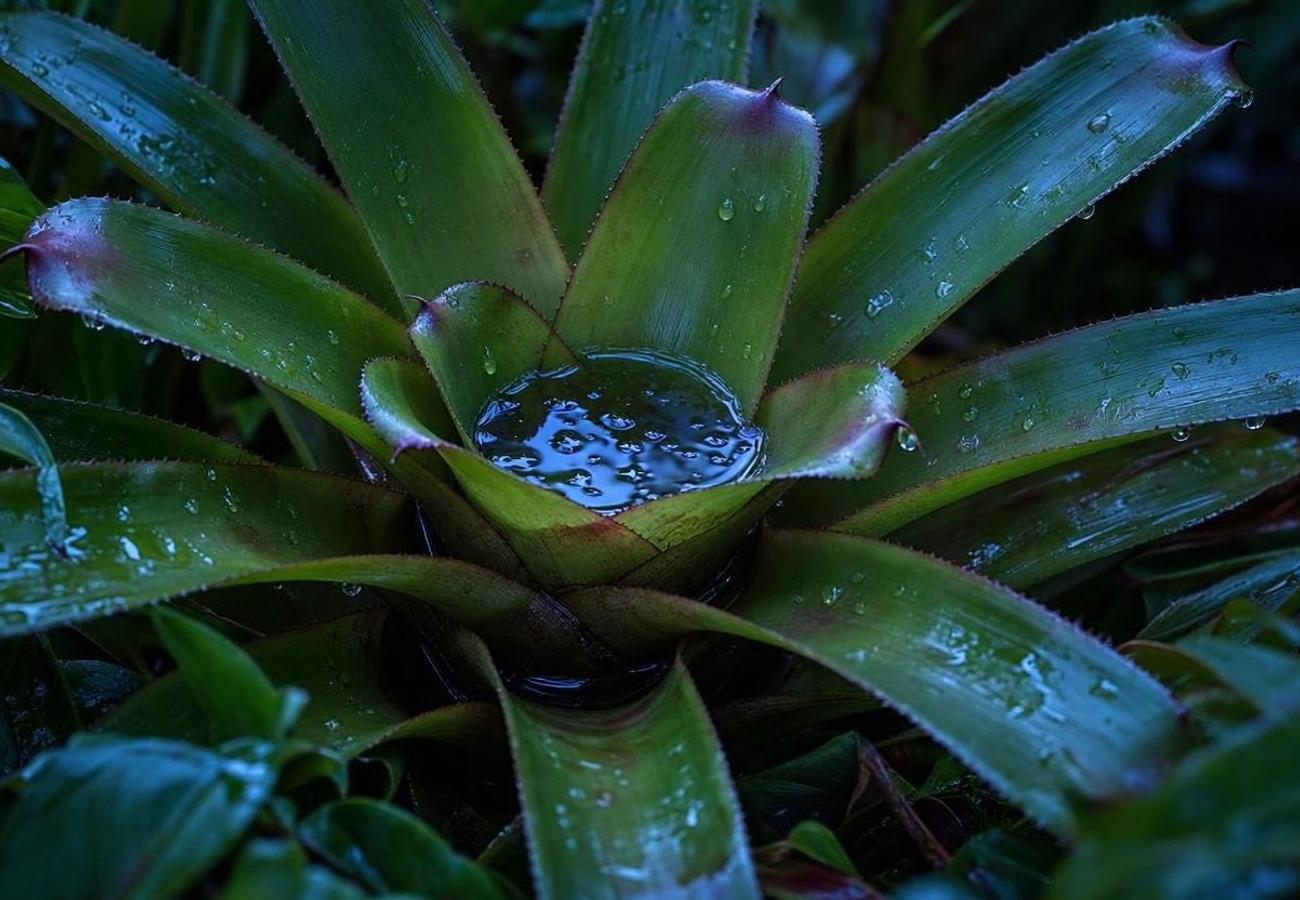
Image generated by AI
Every single one of the eight dengue infections recorded in Hawaii during 2026 has been linked to travel in Pacific Island countries or territories. While the headlines may cause alarm, the reality is that the virus is not established within the islands; rather, it is being carried in by international arrivals, including the most recent case confirmed on Oahu.
The Shift in Oahu's Health Surveillance
The Hawaii Department of Health (DOH) recently confirmed a new imported dengue infection on Oahu, prompting an immediate response from vector control teams. While the risk of wider transmission is currently rated as low, the timing is sensitive. Recent heavy rainfall across the islands has created the ideal breeding ground for mosquitoes, leading health officials to launch targeted mosquito control measures in the area where the patient resided.
It is a critical distinction for those visiting the islands: this is an imported case, not an endemic outbreak. The patient was exposed in a region where the virus is common, and there is no evidence that this infection is connected to any previous cases within the state. However, because the mosquitoes capable of transmitting the virus already exist in Hawaii, the DOH is prioritizing the removal of standing water to prevent a local transmission cycle.
Global Risk Zones for the Modern Nomad
Dengue is not a localized Pacific issue but a global challenge affecting many of the world's most popular tropical destinations. For travelers planning multi-stop itineraries, the risk extends far beyond the shores of Oahu.
According to the Hawaii Department of Health, year-round risks exist across tropical and subtropical regions. This includes significant portions of Asia, the Middle East, Africa, and the Americas. Specifically, travelers should be vigilant when visiting Brazil, Mexico, and the Philippines. In the Caribbean, Puerto Rico remains a highlighted area of concern.
Within the Pacific region, the DOH identifies several high-risk territories:
- American Samoa
- Federated States of Micronesia
- Republic of the Marshall Islands
- Republic of Palau
Furthermore, health authorities have noted higher-than-usual infection rates in a diverse array of countries, including Bangladesh, Bolivia, Cambodia, Costa Rica, Cuba, Ecuador, Kenya, Malaysia, Maldives, Panama, Sri Lanka, Vanuatu, and Vietnam.
Prevention and Protection Logistics
Preventing dengue requires a proactive approach starting weeks before you board a plane. The Centers for Disease Control and Prevention (CDC) recommends a multi-layered defense strategy to avoid mosquito bites, which are the primary vector for the virus.
Essential Protection Gear
| Item | Recommendation | Local Tip |
|---|---|---|
| Repellent | EPA-registered insect repellents | Apply every few hours in high-humidity zones |
| Clothing | Long-sleeved shirts and long trousers | Choose lightweight, breathable linens |
| Sleeping | AC rooms or insecticide-treated nets | Ensure window screens are intact in guesthouses |
| Post-Trip | Bite prevention for 3 weeks after return | Prevents onward spread if you are asymptomatic |
Visitor Insider Tips
If you are basing yourself in Oahu or traveling through the Pacific, keep these local nuances in mind to stay safe and respectful of public health efforts:
- The "Standing Water" Rule: If you are staying in an Airbnb or rental with a garden, check for bromeliads or rain barrels. These are common in Hawaii and are primary breeding sites for mosquitoes. Emptying them is a local civic duty during rainy seasons.
- Timing Your Visits: Be extra vigilant during and immediately after the rainy season when mosquito populations spike.
- Health Window: If you develop a fever, rash, or body aches within two weeks of returning from any of the high-risk zones listed above, seek medical attention immediately.
- Reporting: Suspected infections in Hawaii should be reported directly to the DOH Disease Reporting Line at 808-586-4586.
Cultural and Environmental Context
The interaction between tourism and public health in Hawaii is a delicate balance. Because the islands rely heavily on international arrivals, the "imported" nature of these cases highlights the vulnerability of isolated island ecosystems to global health trends.
The push for residents and tourists to clear standing water from planters and buckets is part of a larger community effort to keep the islands dengue-free. In a place where the environment is so central to the tourist experience, managing the vector (the mosquito) without over-relying on harsh chemicals is a priority for local conservationists and health officials alike. This reflects a broader trend in Hawaii toward sustainable health management that respects the natural biodiversity of the archipelago.
FAQ: Visiting Hawaii 2026
Is it safe to travel to Oahu right now? Yes. The risk of transmission is low, and the recent cases are imported, not local. Following standard mosquito prevention guidelines is sufficient for most travelers.
What are the primary symptoms of dengue? Look for fever, nausea, vomiting, rashes, and severe body aches. These typically last two to seven days. If these appear after traveling to a risk zone, see a doctor.
Do I need a special vaccine for Hawaii? No vaccine is required specifically for Hawaii, as dengue is not endemic. However, check UNESCO's guidelines or your local health authority if visiting other high-risk tropical heritage sites.
How should I handle mosquito protection in the tropics? Use EPA-approved repellents, wear long clothing, and sleep in screened or air-conditioned rooms. Continue using repellent for three weeks after returning home from a risk area.
Stay vigilant, pack the repellent, and keep the islands healthy.
Related Travel Guides
Disclaimer
This article is for informational and educational purposes only. It does not constitute legal, financial, or professional advice. While we strive to provide accurate and up-to-date information, travel policies, regulations, and conditions change rapidly. Always verify information with official sources before making travel decisions. Nomad Lawyer makes no representations about the accuracy, reliability, completeness, or suitability of the information provided. Readers should consult qualified professionals for advice specific to their circumstances. The views expressed in this article are those of the author and do not necessarily reflect the views of Nomad Lawyer.
Kunal K Choudhary
Co-Founder & Contributor
A passionate traveller and tech enthusiast. Kunal contributes to the vision and growth of Nomad Lawyer, bringing fresh perspectives and driving the community forward.
Learn more about our team →