
Vancouver Airport Delays: 21 Flights Disrupted Across WestJet, United, Jazz Networks
Vancouver International Airport experienced 21 delays and 9 cancellations in April 2026, affecting WestJet, United Airlines, and Jazz Aviation passengers on key domestic and cross-border routes. Here's what travelers need to know.

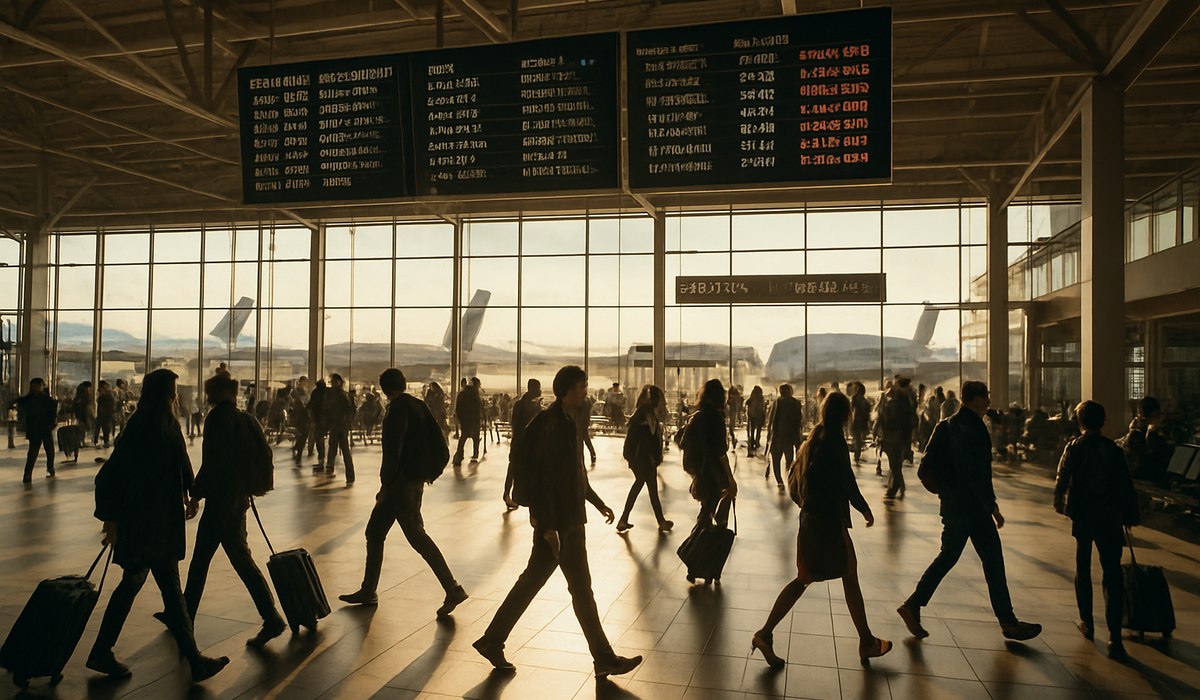
Image generated by AI
Vancouver International Airport Grinds to Halt with Cascade of Disruptions
Vancouver International Airport reported a significant operational disruption this week, with 21 delayed flights and 9 cancellations rippling across North American networks. The disruptions struck WestJet, United Airlines, Jazz Aviation, and partner carriers operating on high-traffic routes between Vancouver, Calgary, Toronto, and San Francisco. Passengers on connecting flights experienced missed connections, rebookings, and unexpected layovers as Vancouver airport delays compounded across domestic and transborder corridors throughout April 2026.
Vancouver Airport Disruptions Ripple Across Domestic and U.S. Networks
The concentration of vancouver airport delays at Canada's third-busiest hub created a domino effect across interconnected flight networks. Real-time tracking data revealed 21 delayed services and nine cancellations concentrated over a compressed timeline, amplifying strain on connecting passengers who rely on Vancouver as a transfer hub.
The disruptions affected mixed operations: domestic services feeding major Canadian cities alongside transborder flights linking Western Canada to U.S. destinations. Routes to Calgary and Toronto absorbed the heaviest impact, reflecting these corridors' critical role in connecting eastbound passengers and U.S.-bound travelers through hub consolidation points.
Transborder services to San Francisco and other U.S. West Coast cities fell into the disruption window, creating cascading delays across United's extensive domestic network. For passengers transiting between Asia-Pacific gateways and American hubs via Vancouver, the operational strain translated into missed same-day connections and extended airport stays.
Industry observers note that Vancouver airport delays at major hubs occur within a broader pattern of Canadian airport strain. Elevated disruption levels in April 2026 reflected cumulative pressure from weather systems, constrained airline turnarounds, and infrastructure capacity limitations across the national network.
WestJet, United and Jazz Among Carriers Most Affected
WestJet faced a cascading delay pattern originating from Vancouver disruptions. Network data shows WestJet operates concentrated connectivity through Vancouver to Calgary and Toronto, meaning single-airport delays multiply across multiple onward flights. While the carrier maintains relatively lower cancellation rates, delayed arrivals at Vancouver transmitted through its western Canada feeder network and eastbound connections.
United Airlines featured prominently in the disruption count, with flights serving Vancouver-San Francisco and broader U.S. hub connections affected. When departure slots slipped at Vancouver, passengers faced jeopardized onward connections within United's expansive domestic system, forcing rebookings onto later flights or multi-day waits at Denver, San Francisco, or Houston hubs.
Jazz Aviation, operating as a regional partner under Air Canada and WestJet banners, recorded notable cancellations and delays. Jazz's operations feeding Toronto, Montreal, and Vancouver from regional British Columbia and prairie communities absorbed both direct disruption and secondary knock-on effects from upstream delays at major hubs.
Smaller regional carriers serving communities across British Columbia and neighboring provinces also experienced visibility within the disruption window. For passengers on thinly served regional routes, single cancellations eliminated same-day travel options entirely, compounding inconvenience from primary hub disruptions.
Check real-time flight status updates via FlightAware for current Vancouver International Airport conditions and affected carrier schedules.
Weather, Congestion, and Tight Schedules Create a Fragile System
April 2026 weather patterns tested airline and airport resilience across North America. Pacific coastal atmospheric systems, variable visibility conditions, and wind events at Vancouver International Airport constrained air traffic control spacing and runway operations during peak hours.
The operational fragility stems from airline scheduling practices. Aircraft operate on multi-segment rotations with minimal turnaround buffers, meaning single late arrivals cascade through sequential flights. A delayed inbound service affects onward departures to Calgary, Toronto, San Francisco, and other scheduled destinations within hours.
System-wide performance tracking for early April highlighted how concentrated disruption at major hubs reverberates across the Canadian network. When Vancouver, Toronto, Calgary, and Montreal simultaneously experience weather or operational constraints, passengers encounter missed connections, complex rebookings, and overnight stays awaiting available seats.
Industry capacity constraints amplify disruption visibility. While airlines restored network capacity post-pandemic, staffing and ground infrastructure scaling lagged behind aircraft additions. This imbalance reduces irregular operation absorption capacity, meaning weather events or operational strain create visible passenger-facing delays rather than transparent network adjustments.
Impact on Connecting Passengers and High-Demand Routes
Travelers using Vancouver as an Asia-Pacific gateway experienced the most severe impact. Passengers connecting from Asian origin cities faced missed same-day connections to U.S. and Canadian destinations, forcing multi-day itinerary reconstructions or expensive change fees.
The Calgary-Vancouver and Toronto-Vancouver corridors experienced elevated disruption due to their role in feeding major east-west connections. Business travelers dependent on same-day connections absorbed significant schedule impact and productivity loss.
Transborder routes to San Francisco, Seattle, and Portland created interconnection vulnerability. Delayed Vancouver departures forced rebookings on competing carriers, hotel accommodations, and ground transportation expense absorption by passengers rather than airlines in many cases.
Regional passengers connecting through Vancouver to Asia-Pacific destinations faced particular vulnerability. Single-flight cancellations on thinly served regional sectors eliminated same-day alternatives, forcing multi-day journey extensions or origin-destination changes.
Key Operational Impact Data
| Metric | Count/Detail |
|---|---|
| Total Delayed Flights | 21 services |
| Total Cancelled Flights | 9 services |
| Primary Affected Carriers | WestJet, United Airlines, Jazz Aviation |
| Most Disrupted Routes | Vancouver-Calgary, Vancouver-Toronto, Vancouver-San Francisco |
| Peak Disruption Period | April 10-11, 2026 |
| Connecting Passenger Impact | High (Vancouver hub dependency) |
| Regional Route Vulnerability | Single cancellations eliminate same-day alternatives |
| Typical Recovery Timeline | 2-4 days for rebooking completion |
| Passenger Compensation Requests | Government of Canada air passenger protection plan applicable |
| Ground Network Effects | Ground transportation, hotel, meal accommodation claims |
What This Means for Travelers
The April 2026 vancouver airport delays underscore systemic vulnerabilities in North American air network resilience. Passengers booking connections through major hubs face elevated irregular operation risk.
Traveler Action Checklist:
-
Check flight status 24 hours prior using FlightAware and your airline's app for real-time condition updates before arriving at airports.
-
Verify connecting flight buffer times — minimize connections through Vancouver to under 90 minutes on same-carrier bookings; 2+ hours for interline connections.
-
Review air passenger rights via the Canadian Transportation Agency for compensation eligibility if delays exceed 3+ hours.
-
Consider rebooking flexibility — request standby rebooking on next available flights immediately upon disruption notification rather than waiting for formal airline rebooking.
-
Document expenses — retain receipts for meals, ground transportation, and accommodations; Canadian regulations require airline reimbursement for delay-related out-of-pocket costs.
-
Contact airline proactively — reach out to your carrier's customer service immediately when disruption occurs rather than waiting in airport queues.
-
Verify U.S. carrier protections — if flying on United Airlines cross-border routes, review U.S. Department of Transportation passenger protections in addition to Canadian rules.
-
Monitor travel insurance coverage — verify your policy covers airline disruption expenses; some policies exclude coverage for non-mechanical delays.
Disclaimer
This article is for informational and educational purposes only. It does not constitute legal, financial, or professional advice. While we strive to provide accurate and up-to-date information, travel policies, regulations, and conditions change rapidly. Always verify information with official sources before making travel decisions. Nomad Lawyer makes no representations about the accuracy, reliability, completeness, or suitability of the information provided. Readers should consult qualified professionals for advice specific to their circumstances. The views expressed in this article are those of the author and do not necessarily reflect the views of Nomad Lawyer.
Kunal K Choudhary
Co-Founder & Contributor
A passionate traveller and tech enthusiast. Kunal contributes to the vision and growth of Nomad Lawyer, bringing fresh perspectives and driving the community forward.
Learn more about our team →