
Harry Reid Delay Proposal Rattles Spring 2026 Travel Plans
Senate Majority Leader Harry Reid's proposal to reshape [FAA](https://www.faa.gov) furlough cuts intensifies spring break flight delays across U.S. hubs in 2026. Major airports face widespread disruptions as air traffic controllers face staffing cuts amid budget standoff.

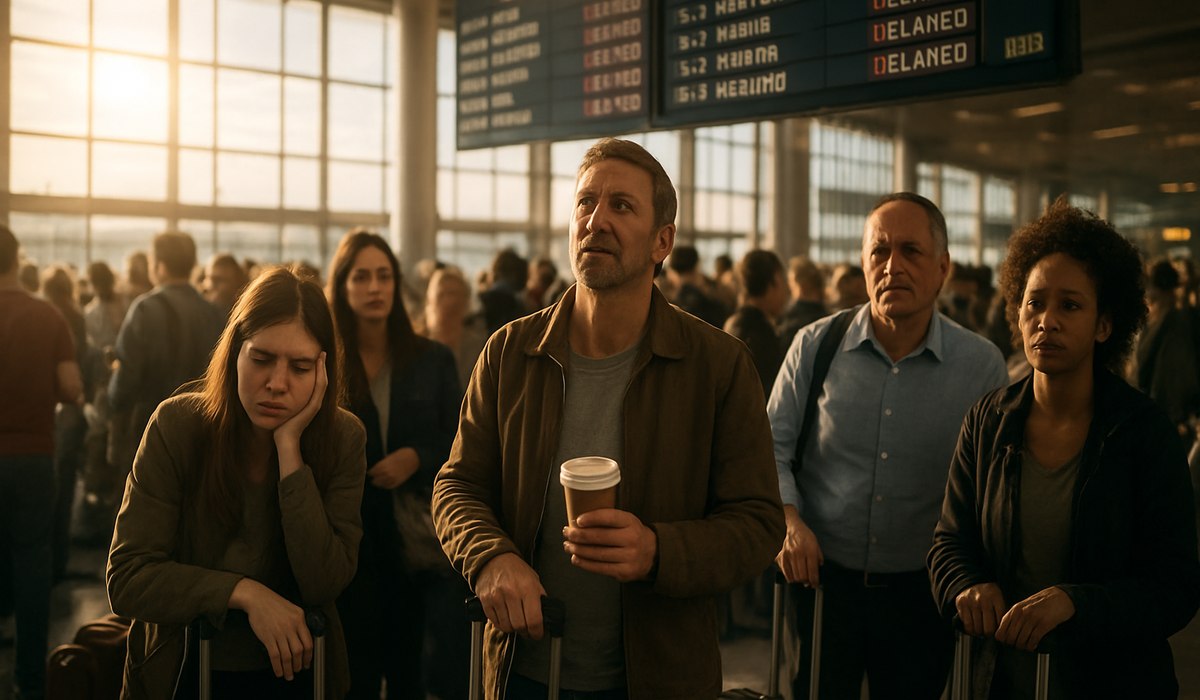
Image generated by AI
Senate Proposal Intensifies Spring Travel Chaos as Harry Reid Delay Plan Unfolds
Senate Majority Leader Harry Reid's push to reshape Federal Aviation Administration furlough cuts has thrown spring break travel into uncertainty, with thousands of flights experiencing delays at major U.S. hubs including New York, Los Angeles, and Dallas. The harry reid delay proposal aims to rework automatic budget cuts affecting air traffic control staffing during peak travel season. As travelers scramble to adjust plans, airline stocks tumble and passenger frustration mounts across the nation's busiest airports. The standoff between Congress and the White House over sequestration cuts has created operational gridlock that continues rippling through the aviation system.
Political Standoff Spills Onto the Runway
The budget impasse driving harry reid delay discussions stems from across-the-board federal spending reductions that triggered FAA controller furloughs earlier in 2026. These automatic cuts have forced facilities nationwide to operate with skeleton crews, reducing traffic-handling capacity at critical moments when spring break demand peaks.
Reid's proposal seeks to shift transportation budget funds strategically to preserve air traffic control staffing levels while broader deficit negotiations continue. Supporters argue this targeted intervention protects vital infrastructure during a surge in leisure and business travel. Critics contend the measure postpones fundamental budget disputes without addressing underlying fiscal challenges.
The immediate impact falls squarely on travelers. Uncertainty about the proposal's status and potential effectiveness has sparked passenger anxiety about booking reliability. Reports from major airports show travelers rebooking to earlier departures or avoiding tight connections altogether, anticipating longer ground holds and cascading delays. The psychological effect alone—worry about potential disruption—is reshaping travel behavior even before additional delays materialize. For more details on the situation, visit the FAA's official statement.
Controllers Furloughed as Delays Mount Nationwide
The harry reid delay crisis deepens because FAA facilities nationwide are operating under reduced controller staffing. Fewer personnel per shift require wider spacing between aircraft and slower approach speeds into congested terminals. This operational throttling translates directly into measurable delay increases.
According to recent aviation data, a single spring week linked to sequester-related furloughs generated thousands of additional delays across the national airspace. At busy hubs, average on-time performance dropped noticeably as departure airports held arriving aircraft to prevent approach corridor gridlock. The system's architectural fragility compounds the problem—modest weather disturbances or technical issues cascade into widespread disruption when fewer controllers are available to reroute or resequence traffic efficiently.
For airlines, this schedule instability ripples through entire networks for days. Spring break demand amplifies the impact significantly. Flights into popular destinations operate at near-capacity, leaving minimal re-accommodation options when cancellations or extended holds occur. Stranded passengers quickly overwhelm airline rebooking resources, creating compounding service failures. Track real-time impacts using FlightAware to monitor delays at your departure airport.
How Reid's Proposal Seeks to Ease Travel Chaos
The harry reid delay proposal represents a congressional attempt to surgically target budget relief toward aviation operations. Rather than implementing uniform spending cuts across federal agencies, Reid's plan redirects existing transportation funds to maintain sufficient controller staffing through peak travel periods.
This approach acknowledges that air traffic control is a time-sensitive operation where temporary staffing reductions create disproportionate public impact. Controllers cannot be quickly rehired once furloughed, making continuity critical during high-traffic seasons. The proposal's logic: preserve this essential capacity now, address broader budget problems later.
However, the plan faces political resistance from lawmakers concerned that targeted relief undermines sequestration's disciplinary function. Budget hawks argue that protecting individual programs defeats the purpose of automatic cuts designed to force comprehensive deficit reduction. This philosophical divide has stalled the harry reid delay proposal in negotiations, leaving travelers stranded in a state of uncertainty.
If approved, the proposal could restore normal staffing levels within days and reduce delays substantially within weeks. Industry estimates suggest full implementation could reduce spring delays by 60-70% at affected hubs. Conversely, continued deadlock may extend disruptions through May as demand remains elevated.
Airline Stocks and Traveler Behavior Shift
Wall Street is repricing airline risk as the harry reid delay crisis persists. Major U.S. carriers have experienced noticeable share price declines as investors weigh near-term operational costs against potential revenue erosion.
Delays directly inflate airline expenses through increased crew duty-time costs, extra fuel consumption, and higher ground-handling charges. Overnight stranded passenger accommodations add significant expense. These operational drains compress airline margins precisely when spring travel should generate peak profits. Beyond immediate costs, prolonged disruption may deter passengers from booking flights, shifting leisure travel to later months or alternative destinations.
Equity analysts note historical precedent: earlier policy-driven air traffic disruptions produced measurable quarterly earnings hits for major carriers. Investors are interpreting the harry reid delay standoff as a broader signal of policy gridlock affecting economic confidence. Aviation serves as a bellwether for consumer and business sentiment, so operational stress carries macroeconomic implications that reach beyond the airline industry itself.
Some portfolio managers have begun trimming airline positions pending clearer evidence of staffing stabilization. Conversely, market commentators suggest any eventual budget agreement restoring full controller capacity could trigger a sector rebound as normalcy returns and deferred travel demand surges.
| Metric | Current Status (2026) | Impact | Affected Airports |
|---|---|---|---|
| Air Traffic Controllers Furloughed | 10% reduction | Reduced traffic capacity per shift | JFK, LAX, ORD, DFW, ATL |
| Estimated Weekly Delays | 3,000-5,000 additional | Cascading schedule disruptions | All major U.S. hubs |
| Average Delay Duration | 45-90 minutes | Missed connections, stranded passengers | Spring break routes |
| Airline Stock Impact | -3% to -8% decline | Reduced revenue guidance, higher costs | NYSE-listed carriers |
| Spring Break Travel Demand | Peak levels | Limited rebooking capacity | Leisure destinations (Florida, Caribbean) |
| Proposal Status | Stalled in negotiations | Continued uncertainty for travelers | Nationwide impact |
What This Means for Travelers: Action Checklist
The harry reid delay situation demands proactive travel planning. Follow these steps to protect your spring travel:
-
Check your airline's cancellation policies before booking. Airlines may waive fees for rebooking during confirmed operational disruptions. Review your ticket's flexibility terms.
-
Monitor real-time delays using FlightAware starting two hours before departure. Set push notifications for your flights and track the airport's current delay status throughout the day.
-
Build extra connection time into multi-city itineraries. Add minimum two-hour connections for domestic flights instead of the standard 60-90 minutes during this disruption period.
-
Arrive at the airport earlier than normal. Plan for 2.5-3 hours before domestic departures given the operational uncertainty and potential for last-minute schedule changes.
-
Book flights during off-peak hours when possible. Early morning (before 7 a.m.) or late evening departures typically experience shorter delays than midday flights during high-demand periods.
-
Know your passenger rights by reviewing the U.S. Department of Transportation's compensation guidelines at US DOT. Delays exceeding 3+ hours may entitle you to meals, rebooking, or compensation.
-
Document everything if delays occur. Keep receipts for meals, hotels, and transportation. These
Kunal K Choudhary
Co-Founder & Contributor
A passionate traveller and tech enthusiast. Kunal contributes to the vision and growth of Nomad Lawyer, bringing fresh perspectives and driving the community forward.
Learn more about our team →