
Fuel Shortages Loom Over European Airlines as Summer Travel Peaks in 2026
Fuel shortages loom as Middle East conflict disrupts jet fuel supplies to European airlines entering peak summer 2026 season. Budget carriers face potential flight cuts across major holiday routes affecting millions of travelers.

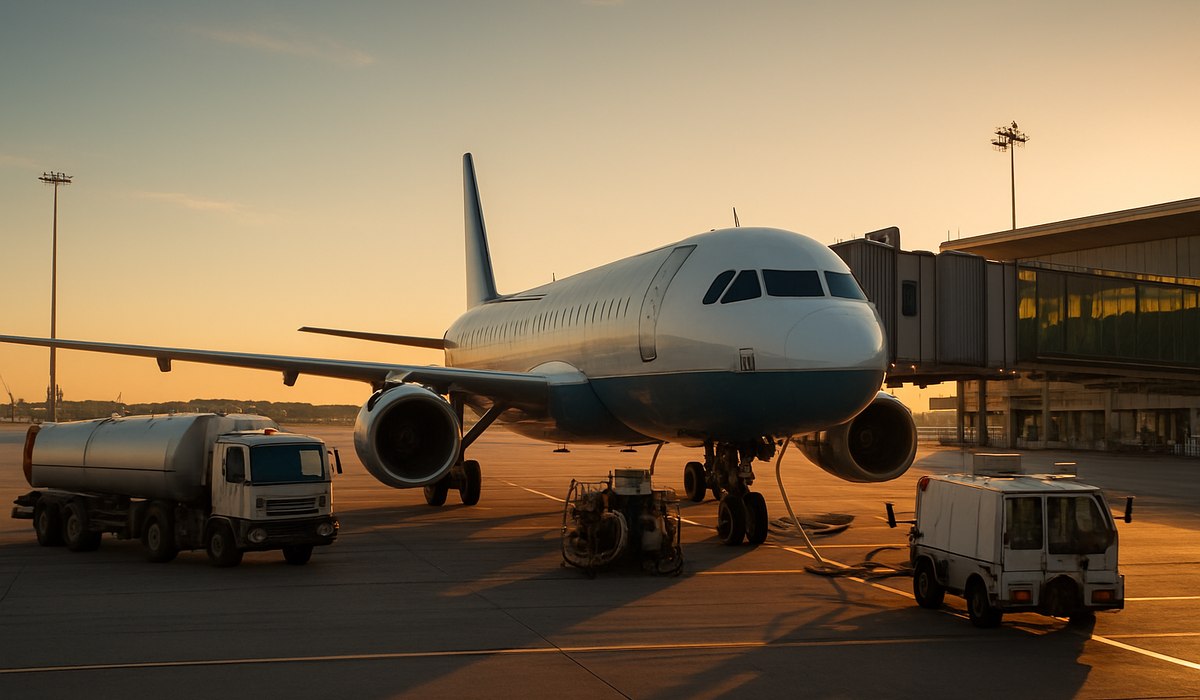
Image generated by AI
Fuel Shortages Loom as Middle East Crisis Threatens European Summer Travel
Fuel shortages loom over European airlines as geopolitical conflict in the Middle East disrupts critical jet fuel supplies just as summer 2026 approaches. Major budget carriers including Ryanair and easyJet face potential capacity reductions across key European hubs, threatening flight availability and pushing fares higher during peak holiday season. Partial closure of the Strait of Hormuz, a vital shipping corridor supplying refined petroleum products to European refineries, has created a fragile fuel supply backdrop entering April and May—the critical period when airlines ramp up schedules for school holidays and summer vacation travel.
The situation presents an unprecedented challenge for both carriers and travelers. Airlines must balance operational demands against uncertain fuel availability at major airports, while passengers risk higher ticket prices, schedule disruptions, and potential cancellations on popular routes to Mediterranean destinations.
Middle East Conflict Pushes Jet Fuel Supply to the Brink
The 2026 Middle East conflict involving Iran has directly impacted crude oil and refined product flows through one of the world's most critical maritime chokepoints. The Strait of Hormuz traditionally channels enormous volumes of petroleum destined for European refineries via major Gulf suppliers. This disruption arrives at a particularly vulnerable moment: Europe entered spring 2026 with limited refining capacity after years of underinvestment and a difficult winter heating season that depleted strategic reserves.
Industry analysts describe the situation as a developing jet fuel crisis rather than an immediate shortage, but the trajectory remains concerning. European refineries and fuel distributors are already reallocating available supplies, prioritizing nearer markets in Asia and the Middle East over European buyers. This geographic reallocation forces European airlines to source kerosene from alternative suppliers including the United States and North Africa—a shift that strains logistics networks unprepared for such rapid volume changes and adds both cost and delivery uncertainty.
Storage facilities in some European markets have provided temporary cushioning, but this buffer is finite. Energy majors and policy documents from recent weeks indicate that the region could face outright fuel shortages by late April or May if Hormuz disruptions persist—precisely when airlines begin peak summer operations.
Europe's Fragile Fuel Infrastructure Tested
European aviation and energy infrastructure faces mounting pressure from converging challenges. The continent's refining sector operates with minimal excess capacity following years of consolidation and investment cuts. Winter 2025-26 consumed substantial strategic petroleum reserves, leaving less flexibility to absorb supply disruptions during the traditionally high-demand spring transition period.
Geographic disadvantages compound the problem. Unlike Asian refineries positioned closer to Gulf suppliers, European facilities depend on extended supply chains. Alternative fuel sources from North America and North Africa require longer shipping times and higher transportation costs, adding expense that airlines ultimately pass to passengers. The logistics networks connecting these suppliers were never designed to replace the volume traditionally sourced from the Strait of Hormuz.
Policy makers and energy executives warn that fuel shortages loom if the current conflict persists through May or June. Airlines have begun stress-testing their networks, identifying which routes possess passenger alternatives and which flights could be trimmed with minimal traveler disruption. This scenario planning suggests that summer 2026 could see selective capacity reductions rather than system-wide collapses, but the financial impact remains substantial.
Budget Carriers Brace for Summer Disruptions
Low-cost airlines face particular vulnerability due to their operational model. Budget carriers operate on razor-thin margins with minimal cost reserves and limited ability to absorb sudden fuel price spikes. These airlines also depend on high aircraft utilization rates—meaning every cancelled flight represents disproportionate financial loss.
Ryanair, Europe's largest budget carrier by passenger volume, has publicly flagged potential fuel gaps beginning in late May or June if Middle East disruptions continue. The airline has hedged a significant portion of fuel costs through early 2027 at locked-in prices, providing some financial protection. However, hedging protects against price volatility but cannot guarantee physical fuel availability at airport fueling pits when aircraft arrive.
The carrier's internal planning scenarios suggest potential capacity reductions of 5-10 percent at constrained European hubs. Ryanair is expected to prioritize flights to primary leisure destinations including Spain, Italy, Greece, and Portugal while temporarily reducing capacity on secondary city routes and frequency services where passengers have alternative flight options.
easyJet faces similar pressures but emphasizes operational flexibility. The airline's diversified intra-European network and sourcing strategy provide somewhat greater adaptability if specific airports experience delivery delays or informal rationing. However, fuel now represents a larger expense share per ticket, pushing the airline toward fare increases even before any physical shortages force capacity cuts.
Ryanair and Industry Response
Ryanair's public statements to investors and media outlets provide the clearest indication of industry-wide concern regarding fuel shortages loom prospects. Leadership has warned that if supply tightens beyond current projections, the airline may need to implement temporary capacity reductions on secondary routes rather than cancelling entire destinations.
The airline's hedging strategy offers financial protection but creates operational constraints. Ryanair cannot pass full fuel surcharges to passengers while maintaining its budget carrier positioning, forcing the airline to absorb costs that reduce profitability. This financial squeeze limits the airline's ability to maintain current capacity levels if fuel prices climb further alongside supply restrictions.
Other European carriers have issued similar warnings through investor updates and industry conferences. The collective message suggests that European airlines anticipate managing the crisis through selective schedule adjustments rather than system-wide shutdown, but only if fuel supplies stabilize by early June.
Check FlightAware for real-time flight tracking and [the FAA website](https://www.faa.gov) for broader aviation updates during this period.
Impact on Popular Summer Routes and Passengers
European travelers planning summer holidays should prepare for potential changes affecting Mediterranean and Southern European destinations. Spain, Italy, Greece, and Portugal—primary summer leisure markets—face heightened disruption risk as airlines prioritize these routes while cutting capacity on secondary city connections.
Family holidays and school vacation travel departing June through August may experience higher fares due to fuel surcharges and reduced seat availability. The most likely scenario involves fewer daily frequencies on major routes rather than complete flight cancellations, but popular departures during school holiday weeks may fill faster than normal.
Passengers booking travel during this period should expect:
- Premium fares on peak summer dates (late June through August)
- Reduced advance seat availability on major routes
- Possible schedule changes as airlines finalize summer capacity adjustments
- Increased airline communication regarding fuel situation and potential adjustments
Business travelers on secondary routes face higher disruption risk than leisure travelers on major trunk routes, as budget airlines prioritize high-density leisure travel during peak summer.
| Aspect | Current Status | Risk Level | Expected Impact |
|---|---|---|---|
| Jet Fuel Supply | Declining | High | Potential 10-20% shortages at major hubs by late May |
| Flight Capacity | Under Review | Medium | 5-10% potential reductions at constrained airports |
| Ticket Prices | Rising | High | Fuel surcharges pushing fares up across routes |
| Mediterranean Routes | Prioritized | Low | Core leisure destinations maintained longer |
| Secondary City Routes | Vulnerable | High | Frequency cuts and temporary suspensions likely |
| Hedged Airline Protection | Partial | Medium | Protects price but not physical availability |
Traveler Action Checklist
Follow these steps to protect your summer 2026 travel plans during the fuel shortage period:
-
Book early: Secure tickets now for June-August travel before further price increases and seat availability tightens across popular routes.
-
Verify airline fuel hedging status: Check your carrier's investor updates or contact customer service to understand their fuel supply protections and potential disruption scenarios.
-
Set flight alerts: Use FlightAware to track real-time flight operations and receive notifications if your bo
Disclaimer
This article is for informational and educational purposes only. It does not constitute legal, financial, or professional advice. While we strive to provide accurate and up-to-date information, travel policies, regulations, and conditions change rapidly. Always verify information with official sources before making travel decisions. Nomad Lawyer makes no representations about the accuracy, reliability, completeness, or suitability of the information provided. Readers should consult qualified professionals for advice specific to their circumstances. The views expressed in this article are those of the author and do not necessarily reflect the views of Nomad Lawyer.
Preeti Gunjan
Contributor & Community Manager
A passionate traveller and community builder. Preeti helps grow the Nomad Lawyer community, fostering engagement and bringing the reader experience to life.
Learn more about our team →