
Ancient Geological Wonders: Crater Lakes in Africa Draw Visitors to Volcanic Horizons in Uganda and Rwanda
Explore how Uganda's Lake Bunyonyi, Rwanda's Lake Kivu, Cameroon's Lake Nyos, and Cova Crater in Cabo Verde are redefining geological tourism in Africa.

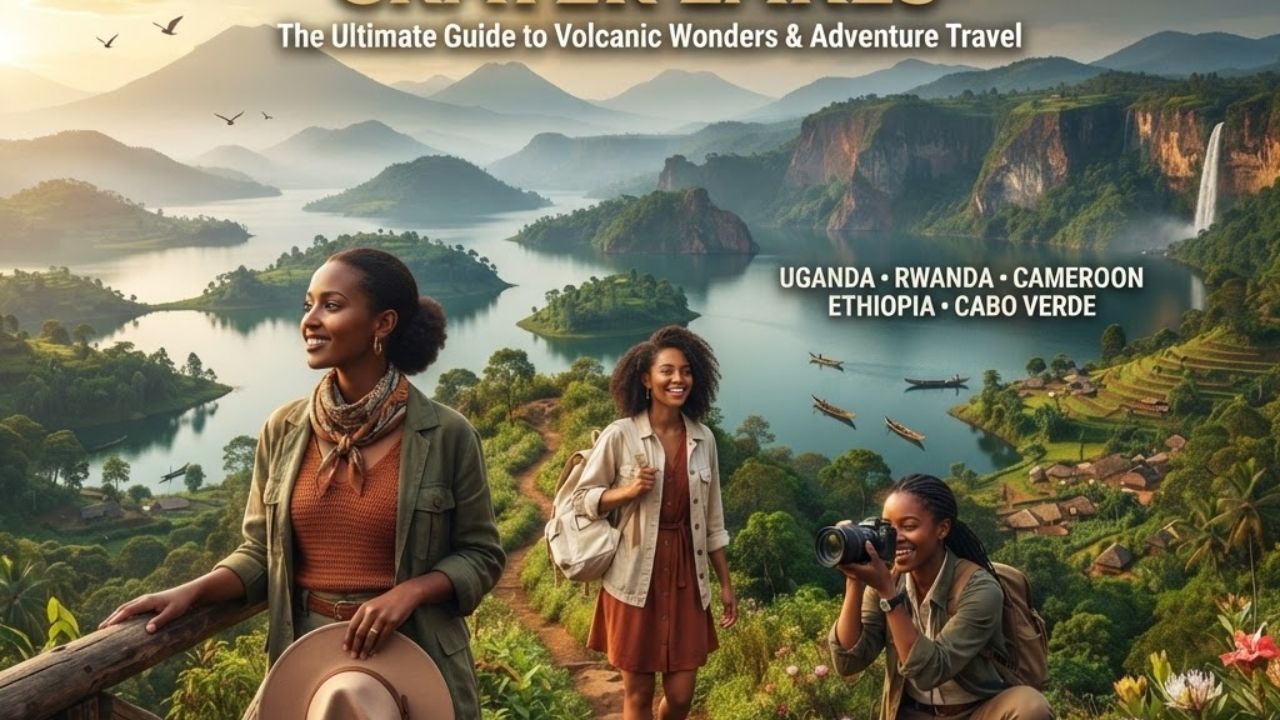
Image generated by AI
Nearly 40 years after the 1986 degassing disaster at Cameroon's Lake Nyos, crater lakes in Africa draw visitors to discover how ancient tectonic forces and collapsed volcanic structures create some of the planet's most dramatic landscapes. Travelers are increasingly looking beyond traditional wildlife safaris, choosing to hike through elevated rifts, boat across deep volcanic basins, and explore fertile agricultural craters. According to reports, destinations spanning Uganda, Rwanda, Cameroon, Ethiopia, and Cabo Verde are positioning these natural geological features as key attractions for eco-tourism, photography, and high-altitude hiking.
Tectonic History and the Shifting Appeal of African Tourism
The formation of these lake basins represents millions of years of rifting, volcanic activity, and climate shifts. The tectonic forces that created the East African Rift System also left behind collapsed volcanic peaks and deep valleys that gradually filled with water, forming high-altitude lake basins. Today, these geologic structures provide unique habitats for specialized flora and fauna, making them valuable to environmental researchers and conservation groups, such as the UNESCO World Heritage Centre.
For travelers seeking quiet, off-the-beaten-path experiences, these volcanic destinations offer an alternative to the crowded national parks. Hiking along the steep rims, interacting with local agricultural communities in the fertile craters, and photographing the dramatic landscapes have become popular elements of modern regional itineraries.
Uganda: Terraced Horizons and Island Trails at Lake Bunyonyi
Situated in the elevated Kigezi Highlands of southwestern Uganda, Lake Bunyonyi represents one of the continent's most visually striking freshwater environments. The surrounding landscape features steep, terraced hillsides and dozens of green islands scattered across the quiet waters. While not classified as a classic crater lake, the surrounding highland topography was shaped by ancient volcanic movements that blocked local valleys, creating the deep lake system visible today.
Travelers looking for recreation outside traditional safari routes are drawn to this highland destination for its relaxing atmosphere and cultural activities. Visitors can navigate the calm waters in traditional wooden canoes, hike along the ridgelines, and participate in guided birdwatching tours. The Uganda Tourism Board has highlighted the region's diverse offerings, noting that its combination of natural beauty and island community experiences offers a different view of East African travel.
Cameroon: Scientific Monitoring and Safety Restored at Lake Nyos
Deep in northwestern Cameroon, Lake Nyos stands as one of the world's most scientifically significant volcanic crater lakes. Formed inside an inactive volcanic crater, the lake historically trapped large volumes of dissolved carbon dioxide beneath its deep waters. A sudden release of this trapped gas in 1986 resulted in a major natural disaster, making the lake a focal point for international geological research and environmental safety studies.
Since the disaster, scientists have installed advanced monitoring equipment and controlled degassing pipes to release the trapped gas safely, preventing future accumulation. Today, the lake serves as a unique destination for travelers interested in geology and environmental management, showcasing how scientific research can make geological anomalies safe for nearby communities.
Rwanda: Volcanic Ridges and Virunga Views Along Lake Kivu
Bordering Rwanda and the Democratic Republic of the Congo, Lake Kivu lies within the Albertine Rift Valley, surrounded by dense forests and the dramatic Virunga volcanic mountains. The geological history of this rift valley has shaped a landscape where high-altitude ridges drop sharply into deep, expansive waters.
Travelers visiting Rwanda often combine visits to the lake's shoreline cities, such as Gisenyi and Kibuye, with gorilla trekking in nearby national parks, a trend supported by the Rwanda Development Board. The lake is popular for boat trips, water sports, and scenic hikes along the shoreline, providing an excellent vantage point to observe the ongoing geological forces that continue to shape Central Africa's rift systems.
Ethiopia: Mountain Escapes in the Tigray Highlands at Lake Ashenge
Located in the Tigray region of northern Ethiopia, Lake Ashenge is situated inside an ancient volcanic crater surrounded by rugged mountains and highland plains. The deep blue lake contrasts sharply with the arid, rocky terrain of the surrounding mountains, creating a striking landscape for hikers and photographers.
The remote highland location offers travelers a quiet wilderness experience far from crowded tourist tracks. The area provides a direct window into the ancient volcanic activity that formed the Ethiopian Highlands, one of the most geologically active highland regions on the continent.
Cabo Verde: Agriculture and Human Adaptation at Cova Crater
On Santo Antão Island in Cabo Verde, the Cova Crater demonstrates how extinct volcanic landscapes can support local communities. While the crater no longer contains a permanent body of water, the fertile volcanic soils trapped within its walls have created a productive agricultural basin.
Local farmers cultivate maize, sugarcane, and vegetables on the crater floor, creating a unique agricultural landscape surrounded by steep volcanic walls. Hiking trails leading into the crater offer spectacular views of the volcanic valleys and rural farms, showing how local communities adapt to and thrive in volcanic terrains.
Impact Analysis: How Geological Tourism Supports Rural Communities
Geological tourism centered on volcanic crater lakes redirects travel spending toward remote, rural communities that are often bypassed by standard wildlife safaris. By encouraging visitors to explore island trails, hire local hiking guides, and stay at lakeside lodges, these geological attractions create sustainable jobs in hospitality and agriculture. Furthermore, the global interest in these environments encourages local governments to invest in environmental conservation and trail maintenance, ensuring that these delicate highland ecosystems remain protected for future generations.
Why This Matters: Experiential Gastronomy and Tectonic Appreciation
For the traveler, this shift means that African itineraries are expanding to include physical adventure, scientific history, and high-altitude hiking. From a logistical standpoint, visiting these lakes requires careful preparation, as high altitudes and remote locations demand proper physical conditioning and flexible travel plans. By exploring these volcanic structures, travelers gain a deeper understanding of the earth’s geological evolution, turning their journeys into immersive educational adventures.
Related Travel Updates and Regional Guides
- Related: NOAA Aurora Forecast: Northern Lights Visibility Extends Across Northern United States This Weekend
- Related: Indonesia, Thailand, Laos, and Malaysia Join Forces to Launch High-Speed Rail Tourism Network in 2026
- Related: Iceland Highlands Summer Adventure Tourism: Safety Tips and Driving Regulations for 2026
Disclaimer
This article is for informational and educational purposes only. It does not constitute legal, financial, or professional advice. While we strive to provide accurate and up-to-date information, travel policies, regulations, and conditions change rapidly. Always verify information with official sources before making travel decisions. Nomad Lawyer makes no representations about the accuracy, reliability, completeness, or suitability of the information provided. Readers should consult qualified professionals for advice specific to their circumstances. The views expressed in this article are those of the author and do not necessarily reflect the views of Nomad Lawyer.
Kunal K Choudhary
Co-Founder & Contributor
A passionate traveller and tech enthusiast. Kunal contributes to the vision and growth of Nomad Lawyer, bringing fresh perspectives and driving the community forward.
Learn more about our team →