
Haiti Tourism Turns to Clairin Heritage as Northern Communities Revive Artisanal Cane Traditions
Haiti Tourism Turns to Clairin Heritage as Northern Communities Revive Artisanal Cane Traditions

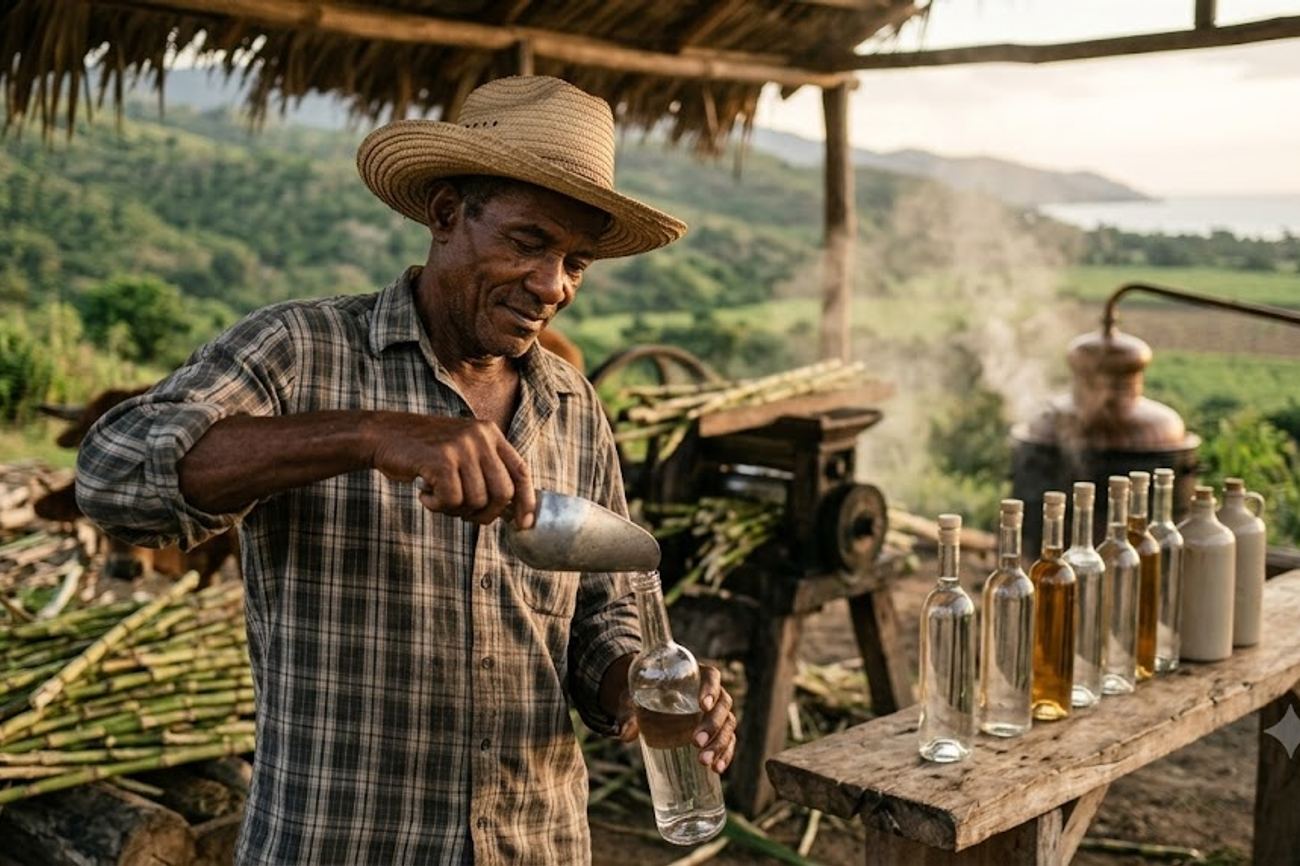
Image generated by AI
[Port-au-Prince, February 2026] — The Haitian government has officially repositioned tourism as the primary engine of national economic growth, launching a strategic pivot toward cultural and agricultural heritage in the country's northern region.
This policy shift moves away from traditional beach-centric tourism, focusing instead on "living heritage" to diversify the economy. Central to this initiative is the integration of the sugar cane industry—specifically the production of clairin, a traditional artisanal spirit—into a formalized tourism circuit. The government intends to leverage the agricultural landscapes of northern Haiti to create high-value experiential travel that benefits local farming communities and small-scale producers.
The Shift to Agritourism and Clairin
The immediate catalyst for this strategy is the desire to decentralize tourism and create sustainable income streams for rural populations. By promoting the production of clairin, the state is transforming a staple of Haitian agricultural life into a professional tourism product. Unlike industrial spirits, clairin is produced in small batches at artisanal distilleries known as guildiveries, utilizing techniques passed down through generations.
The Ministry of Tourism is now framing the entire lifecycle of sugar cane—from cultivation and harvesting to milling and fermentation—as a tourist attraction. This approach seeks to attract "cultural travelers" who prioritize knowledge and authenticity over luxury amenities. By showcasing the relationship between the land and the final product, Haiti aims to establish a niche in the global agritourism market.
Regional Impact and Affected Markets
The strategic focus is concentrated on the North, specifically targeting the corridor between Cap-Haïtien and the rural hinterlands. The following areas and sectors are the primary focus of this economic redevelopment:
- Cap-Haïtien: Serving as the primary urban hub, the city is seeing upgrades to services at the Cap-Haïtien International Airport to facilitate easier access for international arrivals.
- Milot and Dondon: These areas are being developed as key nodes for cultural circuits, linking historic monuments with rural distillery visits.
- The National Historic Park: This zone, which includes the Citadelle Laferrière and Sans-Souci Palace, will serve as the anchor for broader itineraries that include agricultural tours.
- Artisanal Producers: Local cane growers, women entrepreneurs, and distillery owners are being integrated into the official tourism value chain.
- The Haitian Diaspora: A primary target demographic, the diaspora is expected to drive demand for these heritage-based experiences to reconnect with ancestral roots.
What This Means for Travelers
For those planning a visit to Haiti, the "living heritage" model fundamentally changes the travel experience. Travelers should expect a shift from isolated resort stays to community-integrated itineraries.
Direct Impacts:
- Itinerary Diversification: Visitors can now book guided walks through cane fields and participate in traditional milling demonstrations rather than relying solely on museum visits.
- Economic Directness: A larger portion of travel spending will go directly to farmers and craftsmen through tasting sessions and workshops, bypassing large international tour operators.
- Infrastructure Changes: While luxury options may remain limited, there is a concerted effort to improve the "cultural circuits" and transportation links between Cap-Haïtien and the rural distilleries.
- Authenticity Over Scale: The government is emphasizing small-batch production. Travelers should not expect industrial-scale tasting rooms, but rather intimate, home-based distillery experiences.
Infrastructure and Future Implementation
To support this transition, the government is investing in the physical and technical capacity of northern Haiti. This includes the distribution of sugar-cane mills to local restaurateurs and entrepreneurs—a process that began in 2022—to ensure that the processing of cane is efficient enough to support tourism without losing its artisanal character.
The long-term goal is the creation of a comprehensive "Northern Network." This network will allow a traveler to land at Cap-Haïtien International Airport, visit the Citadelle Laferrière, and then transition into the rural economy of Dondon for clairin tastings and agricultural workshops. By linking these experiences, the government hopes to increase the average length of stay and the total spend per visitor.
The success of this model depends on the preservation of traditional methods. The Ministry of Tourism has stated that community organizations and local groups will be the primary partners in developing these circuits to prevent the "industrialization" of the experience, which would strip the clairin story of its cultural value.
FAQ: Haiti Cultural Tourism 2026
What is clairin and why is it central to this tourism plan? Clairin is a traditional Haitian spirit distilled from sugar cane juice or syrup. It represents the country's agricultural heritage and provides a tangible link between the land, local craftsmanship, and national identity, making it an ideal centerpiece for agritourism.
Which airports are best for accessing these new cultural circuits? Cap-Haïtien International Airport is the primary gateway for the northern heritage circuits. The government is currently upgrading services at this facility to better accommodate the projected increase in cultural and diaspora travelers.
Is this tourism model focused on luxury resorts? No. The current strategy explicitly pivots away from traditional beach and resort tourism. The focus is on "living heritage," emphasizing rural community visits, artisanal production, and historical landmarks like the Citadelle Laferrière.
How does this affect the local economy in northern Haiti? It decentralizes wealth by creating direct payment channels from tourists to small-scale farmers, distillery owners, and local guides, rather than concentrating revenue in large hotel chains or urban centers.
Haiti is betting that its ancestral spirits and sugar cane fields can drive a modern economic recovery.
#HaitiTourism2026 #CapHaitien #ClairinHeritage #AgritourismHaiti #CitadelleLaferriere #HaitianDiasporaTravel
Related Travel Guides
- Thiruvananthapuram to Tambaram Special Train Extended Through October 2026: Kerala-Tamil Nadu Festive Rail Connectivity
- Thailand Overhauls Tourist Visa Policy: 60-Day Entry Ends for 21 Countries as Digital e-Visa Rules Begin September 15, 2026
- Thailand and Uzbekistan Lead Asian Tourism Realignment: Visa Liberalization, Transit Corridors, and Silk Road Connectivity
Disclaimer
This article is for informational and educational purposes only. It does not constitute legal, financial, or professional advice. While we strive to provide accurate and up-to-date information, travel policies, regulations, and conditions change rapidly. Always verify information with official sources before making travel decisions. Nomad Lawyer makes no representations about the accuracy, reliability, completeness, or suitability of the information provided. Readers should consult qualified professionals for advice specific to their circumstances. The views expressed in this article are those of the author and do not necessarily reflect the views of Nomad Lawyer.
Naina Thakur
Contributor & Travel Specialist
Travel enthusiast and legal writer covering visa regulations, responsible tourism, and cultural journeys across global destinations.
Learn more about our team →