
Thiruvananthapuram to Tambaram Special Train Extended Through October 2026: Kerala-Tamil Nadu Festive Rail Connectivity

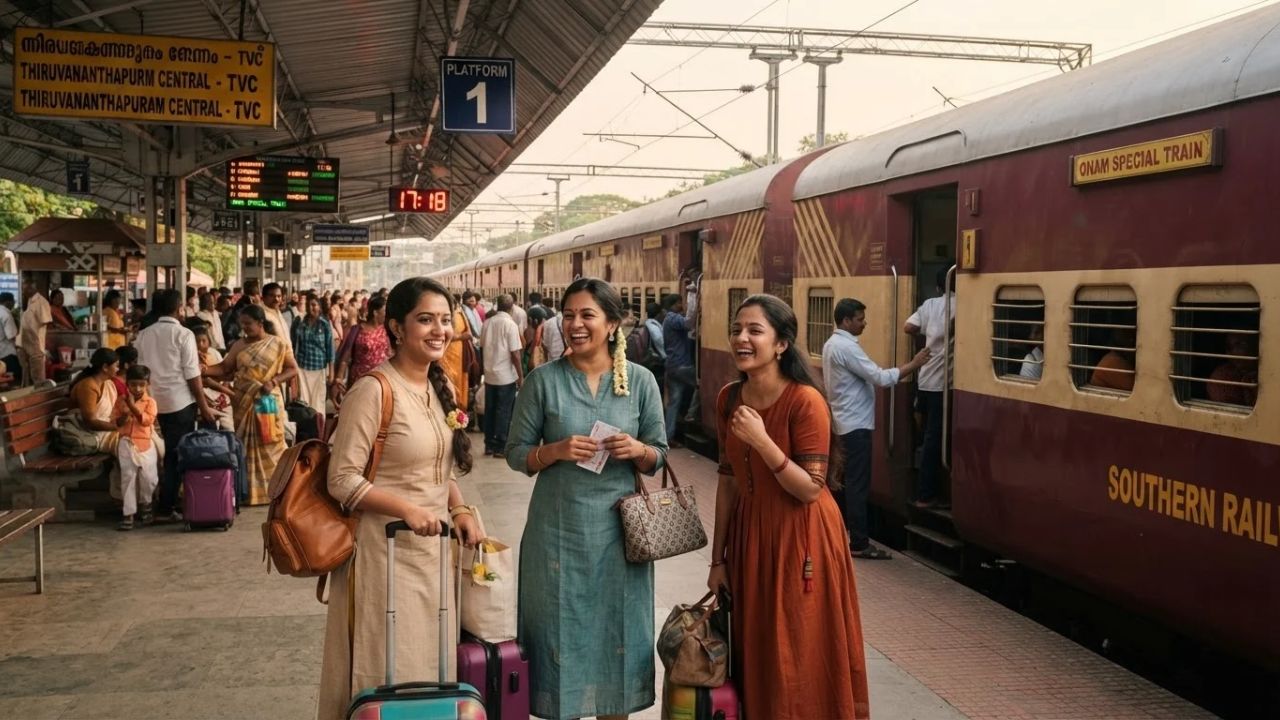
Responding to overwhelming passenger demand during the post-Onam festive rush, Southern Railway has extended the Thiruvananthapuram Central to Tambaram special train service through 28 October 2026, adding fourteen weekly departures across one of the most vital interstate transit corridors linking Kerala with Tamil Nadu. Originally slated to terminate on September 2 following the peak Onam celebration week, the service's continuation through September and October provides critical seat capacity for thousands of holiday travelers, pilgrims, students, and trade professionals during the busy Navratri and pre-Diwali travel window.
Traversing the forested contours of the Western Ghats via the historic Punalur–Sengottai mountain chord, the special service links coastal South Kerala directly with central and northern Tamil Nadu. By serving intermediate regional stations including Varkala Sivagiri, Kollam Junction, Kottarakkara, Auvaneeswaram, and Punalur before connecting with Madurai, Dindigul, Tiruchirappalli, and Villupuram, the train bridges prominent pilgrimage shrines, heritage centers, and emerging eco-tourism reserves across both southern states.
The Local Trend Revealed: Regional Rail Mobility Relieves Highway Congestion
Interstate travel between Kerala and Tamil Nadu has experienced unprecedented surges in recent years. While air routes between Trivandrum and Chennai cater primarily to corporate travelers, the vast majority of everyday families, seasonal workers, and cultural pilgrims rely on ground transit.
With National Highway 66 undergoing extensive widening and National Highway 744 through the Aryankavu Pass facing heavy freight traffic, Southern Railway's extension of the Thiruvananthapuram–Tambaram special provides a dependable, affordable, and scenic alternative:
- The Extended Departure Timetable: The special train departing Thiruvananthapuram Central operates on seven consecutive Wednesdays: September 16, September 23, September 30, October 7, October 14, October 21, and October 28, 2026.
- Return Services from Tambaram: The corresponding return train from Tambaram to Thiruvananthapuram Central operates on seven consecutive Thursdays: September 17, September 24, October 1, October 8, October 15, October 22, and October 29, 2026.
- Easing Festive Booking Queues: Popular daily express trains between Thiruvananthapuram and Chennai—such as the Ananthapuri Express and the Chennai Mail—regularly see waitlists exceed 200 passengers during September and October. The special train injects hundreds of additional reserved berths weekly across Sleeper, AC 3-Tier, and AC 2-Tier classes.
The Route Anatomy: Historic Ghats, Backwaters, and Temple Towns
What distinguishes this special rail service from conventional bypass trains is its route geography. Rather than running exclusively via the flat plains of Nagercoil and Tirunelveli, the route embraces the historic Kollam–Sengottai railway line, which was originally constructed by the British in the late 19th century to transport tea, spices, and timber from the Travancore highlands to the port of Tuticorin:
Key Stops in Kerala
- Thiruvananthapuram Central: The grand stone terminal serving Kerala’s capital, located minutes from the world-renowned Sree Padmanabhaswamy Temple, the Chalai Bazaar, and the golden beaches of Kovalam.
- Varkala Sivagiri: The coastal cliff haven famous for red laterite formations, natural mineral springs bubbling beside Papanasam Beach, and the Sivagiri Mutt spiritual retreat founded by social reformer Sree Narayana Guru.
- Kollam Junction: A major junction anchoring Ashtamudi Lake, the gateway to Kerala's historic eight-hour backwater cruise to Alappuzha and a traditional global hub for cashew processing.
- Kottarakkara: The cultural birthplace of Kathakali, where 17th-century King Kottarakkara Thampuran composed the Ramanattam dance dramas. The town is equally celebrated for the historic Mahaganapathi Temple.
- Auvaneeswaram and Punalur: The gateway to the foothills of the Agasthyamalai Biosphere Reserve. Punalur is famous for India’s first suspension bridge, an architectural marvel built in 1877 suspended over the rushing Kallada River.
Crossing into Tamil Nadu
East of Punalur, the railway snakes through the dense bamboo groves and deciduous forests of the Shendurney Wildlife Sanctuary, crossing the iconic 13 Kannara Bridge (the 13-Arch Bridge) at Kazhuthuruthi—an engineering wonder constructed entirely without cement using surki mortar and dressed stone arches—before entering Tamil Nadu at Sengottai and proceeding toward:
- Madurai Junction: The ancient temple city on the Vaigai River, anchored by the towering gopurams of the historic Meenakshi Sundareswarar Temple and the 17th-century Thirumalai Nayakkar Mahal.
- Dindigul: Famed for its imposing 17th-century hill fortress and legendary Seeraga Samba mutton biryani traditions.
- Tiruchirappalli (Trichy): Home to the soaring Rockfort Temple perched atop a 272-foot ancient rock formation and the sprawling Sri Ranganathaswamy Temple on the island of Srirangam, recognized as the largest functioning Hindu temple complex in the world.
- Villupuram and Tambaram: Linking the cultural heartland with Chennai’s southern transit hub, Tambaram provides seamless suburban rail access into central Chennai, the IT corridors of OMR, and the industrial manufacturing belt of Sriperumbudur.
Cultural & Environmental Value: Low-Carbon Travel and Eco-Tourism Access
The continued operation of this special train highlights the environmental and economic superiority of public rail transit in sensitive ecological corridors:
Sustainable Tourism in the Western Ghats
- Carbon Reduction: A single train journey with over 1,000 passengers removes dozens of diesel sleeper buses and hundreds of private cars from fragile mountain passes, dramatically reducing carbon emissions, tire particulates, and road noise within the Shendurney Wildlife Sanctuary.
- Promoting Thenmala Eco-Tourism: Passengers detraining at Punalur gain direct access to Thenmala, India’s first planned eco-tourism destination. Nestled in the foothills, Thenmala offers guided canopy walks, butterfly safaris, and sustainable boating excursions managed by local community tribes, creating livelihoods centered on forest conservation rather than resource exploitation.
- Reviving Rural Station Economies: Intermediate stops like Kottarakkara and Auvaneeswaram benefit directly from passenger footfall. Local tea vendors, cooperative snack stalls, and auto-rickshaw drivers see increased daily earnings during train arrival windows.
Visitor Insider Tips: Maximizing Your Journey Across Southern India
Planning a journey aboard the Thiruvananthapuram–Tambaram special requires practical coordination, especially during the festive autumn season:
Booking Strategies and Ticketing
- Book Early via IRCTC: Because festive special trains open for reservation in advance batches, check the IRCTC app or railway reservation counters immediately. If waitlisted, watch for quota releases 24 to 48 hours before scheduled departure.
- Tatkal and Premium Tatkal Options: If standard berths are exhausted, Tatkal booking opens at 10:00 AM (for AC classes) and 11:00 AM (for Sleeper class) on the day prior to departure from the train's originating station.
Selecting the Best Berths for Scenic Views
- Daylight Mountain Crossing: If booking the return journey from Tambaram or traveling the scenic segment during daytime hours, request window seats on the left side of the carriage when heading west (or the right side when heading east) to view the sweeping stone arches of the 13 Kannara Bridge and the deep gorges of the Kallada River valley.
- Comfort Packing: While AC coaches provide climate control, packing a lightweight shawl or cotton blanket is recommended for late-night sections across the windy Ghats. Keep wet wipes and hand sanitizer handy, along with a multi-plug adapter for charging mobile devices on older coach designs.
Station Etiquette and Transfer Guidance
- Tambaram as a Strategic Chennai Entry: If your final destination is South Chennai, the ECR beaches, or the airport, terminating at Tambaram is vastly superior to traveling all the way into Chennai Central or Egmore. Tambaram railway station is located only 8 kilometers from Chennai International Airport (MAA) and connects directly to the Chennai Suburban EMU network, allowing you to bypass city-center traffic jams.
- Temple Protocol in Madurai and Trichy: If you disembark for temple visits, observe traditional attire rules. Men must wear dhotis or formal trousers (shorts are strictly banned), while women should wear sarees, salwar kameez, or long skirts. Modern electronic gadgets, cameras, and leather belts are prohibited inside the inner sanctums of both Meenakshi Amman and Srirangam temples.
Authentic Flavors of the Corridor: A Culinary Journey Across Two States
Traveling between Thiruvananthapuram and Tambaram presents an unparalleled culinary transition from Kerala’s fragrant coconut-rich cuisine to Tamil Nadu’s fiery, spice-forward cooking:
Traditional Kerala Delicacies
- Kottarakkara Unniyappam: When the train halts at Kottarakkara, seek out fresh unniyappam—deep-brown, spherical fritters crafted from roasted rice flour, caramelized jaggery, mashed ripe bananas (poovan pazham), crushed cardamom, and roasted coconut bits, fried in pure ghee until crispy on the outside and soft within.
- Punalur Appam and Stew: Savory, fermented rice pancakes with soft, spongy centers and crispy lacy edges, paired with aromatic vegetable or chicken stew simmered in thick, freshly pressed coconut milk infused with green chilies and curry leaves.
- Crisp Banana Chips (Upperi): Pick up authentic, thinly sliced raw plantain chips freshly fried in pure unrefined coconut oil and sprinkled with sea salt at Thiruvananthapuram Central or Kollam station stalls.
Signature Tamil Nadu Specialties
- Authentic Madurai Jigarthanda: When stopping in Madurai, sample the city’s legendary chilled refresher. Made with badam pisin (natural almond tree gum), concentrated slow-simmered milk (basundi), sarsaparilla syrup (nannari), and a scoop of rich local ice cream, it is cooling, decadent, and intensely sweet.
- Chettinad Pepper Delights: In Trichy and Dindigul, regional mess halls serve spicy Chettinad preparations flavored with stone-ground black peppercorns, star anise, marathi mokku (dried flower pods), and kalpasi (black stone flower), accompanied by steamed parboiled rice and warm rasam.
- Tambaram South Indian Filter Coffee: Conclude your rail journey at Tambaram with a stainless-steel tumbler and dabarah of authentic filter coffee—strong, dark chicory-blended brew frothed with boiling unpasteurized dairy milk to create a thick golden foam.
Tourism & Regional Mobility Outlook: The Future of Interstate Rail
The enthusiastic response to the Thiruvananthapuram–Tambaram special train underscores a broader truth about Indian travel: despite the expansion of domestic low-cost flights and national expressway networks, railways remain the cultural and logistical lifeblood of regional tourism.
Southern Railway's willingness to extend operations through late October sets a positive precedent for passenger-centric scheduling during major cultural celebrations. As ongoing railway electrification and terminal modernizations continue across Kerala and Tamil Nadu, long-distance regional connections like this will help ensure that heritage cities, pilgrimage destinations, and secluded mountain valleys remain easily and affordably accessible to all.
For travelers boarding the train this autumn, the journey offers far more than simple transit; it provides a front-row seat to the changing topography, culinary soul, and enduring warmth of Southern India.
Related Travel Guides
Disclaimer
This article is for informational and educational purposes only. It does not constitute legal, financial, or professional advice. While we strive to provide accurate and up-to-date information, travel policies, regulations, and conditions change rapidly. Always verify information with official sources before making travel decisions. Nomad Lawyer makes no representations about the accuracy, reliability, completeness, or suitability of the information provided. Readers should consult qualified professionals for advice specific to their circumstances. The views expressed in this article are those of the author and do not necessarily reflect the views of Nomad Lawyer.
Raushan Kumar
Founder & Lead Developer
Full-stack developer with 11+ years of experience and a passionate traveller. Raushan built Nomad Lawyer from the ground up with a vision to create the best travel and law experience on the web.
Learn more about our team →