
Gulf Air Deploys New Airbus A321neo to Defeat Middle East Travel Chaos, Expanding Fleet to 46 Aircraft to Prevent Flight Cancellations and Regional Airport Disruptions: Latest Airline News
To combat severe regional travel chaos, Gulf Air accelerates its fleet modernization by deploying the Airbus A321neo, utilizing advanced efficiency to bypass Middle Eastern airport disruptions.

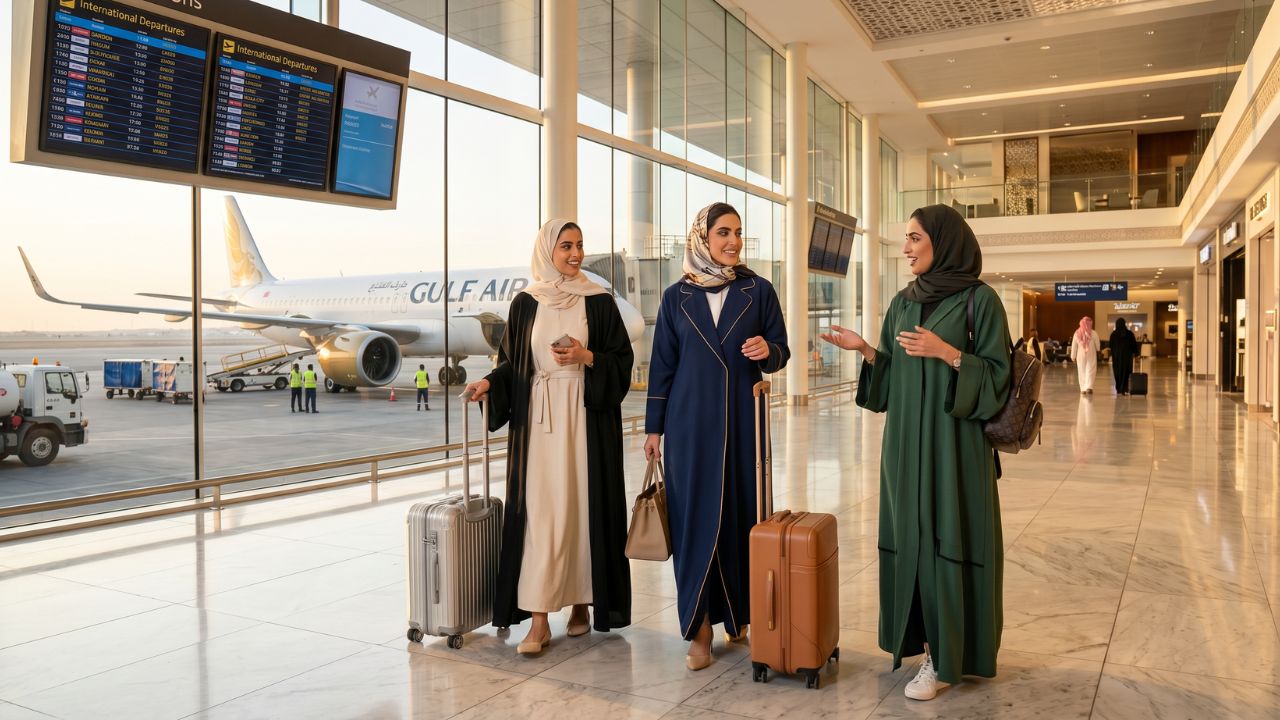
Image generated by AI
In a massive operational upgrade explicitly designed to protect its regional and international network from the devastating travel chaos and rolling flight cancellations that continually threaten the congested Middle Eastern aviation corridor, Gulf Air has aggressively expanded its operational capacity. Confirmed on June 18, 2026, the Bahrain-based national carrier has officially taken delivery of its latest highly advanced Airbus A321neo, successfully pushing its total fleet size to 46 aircraft. Recognizing that business commuters and transit passengers are entirely exhausted by the severe airport disruptions that plague legacy mega-hubs during peak travel seasons, Gulf Air is heavily investing in next-generation narrowbody agility. By deploying the A321neo—featuring an optimized dual-class cabin and a massive 20 percent improvement in fuel efficiency—the airline is fortifying its short and medium-haul routes against the operational meltdowns that routinely paralyze archaic airline networks. As panicked passengers desperately demand highly reliable, disruption-proof connectivity across Europe and Asia, this strategic fleet integration stands as the premier headline in today's breaking airline news and absolutely vital global aviation updates.
By introducing direct passenger coordination and dynamic scheduling backups, the regional aviation hubs target growing passenger demand across vital commerce sectors. The choice to coordinate flight departures in phases helps to manage gate capacity, supporting the country's broader regional transportation network.
Context: Shielding Regional Routes From Network Collapse
For the millions of passengers attempting to navigate the highly concentrated Middle Eastern transit market, the sheer scale of operational bottlenecks at primary legacy hubs has transformed routine short-haul commuting into an absolute nightmare.
Historically, when peak seasonal demand collides with airspace volatility or sudden fuel spikes, the result is instantaneous travel chaos. Airlines operating older, inefficient aircraft are frequently forced to execute massive flight cancellations simply because operating those older jets becomes financially unsustainable during a disruption. Gulf Air is fundamentally rewriting this dynamic with its Airbus A321neo fleet expansion. Instead of relying on vulnerable, aging airframes, Gulf Air is utilizing the A321neo’s advanced aerodynamics and next-generation engines. By pushing its active fleet to 46 aircraft, the airline possesses the physical redundancy required to immediately swap planes if a mechanical issue arises, heavily insulating its network from the sudden airport disruptions that instantly ground less-equipped carriers. This strategic agility ensures that routes across the Middle East, Europe, and Asia remain completely protected from the rolling delays that characterize modern aviation.
To view live flight schedules, verify the active delay status of your specific itinerary, or to track active regional airspace restrictions, travelers must consult official aviation directories. For direct booking access onto this highly resilient, disruption-proof A321neo network, travelers should aggressively utilize the official portals for Gulf Air. To explore live flight tracking and monitor the exact severity of the regional bottlenecks causing the flight cancellations you must now actively bypass, passengers can consult the official FlightAware tracking service.
Section-Wise Breakdown of the Fleet Defense
The 46-Aircraft Fortress
The delivery of this latest Airbus A321neo is a critical milestone, officially expanding Gulf Air’s total fleet size to 46 aircraft. This expanded fleet size is not merely about prestige; it is a direct defense mechanism against travel chaos. By maintaining a robust number of active airframes, Gulf Air supports increased frequency on key destinations. If one aircraft is delayed due to regional airspace congestion, the airline has the depth to deploy a backup, ensuring schedule reliability and completely preventing the need for mass flight cancellations.
The 20 Percent Efficiency Advantage
A major weapon in Gulf Air's operational arsenal is the A321neo’s reported 20 percent improvement in fuel efficiency compared with previous-generation aircraft. In an era where rising fuel costs frequently force airlines to slash unprofitable routes, this efficiency gain acts as a shield. It allows Gulf Air to operate thinner, high-demand regional routes without the severe cost exposure that triggers airport disruptions, contributing directly to cost optimization and sustainability compliance.
The Dual-Class Cabin Optimization
To survive modern travel chaos, airlines must balance high-density capacity with premium comfort. The new A321neo features a highly optimized dual-class configuration. It houses 12 seats in the exclusive Golden Falcon Business Class, catering to elite corporate commuters, and 180 seats in Economy Class. This total seating capacity perfectly aligns with high-demand regional routes, allowing Gulf Air to physically absorb large volumes of stranded passengers during broader network meltdowns.
Technical Roster: Gulf Air A321neo Integration Data
To ensure absolute factual accuracy regarding the exact parameters of this high-capacity disruption-bypass tool, the following matrix details the verified integration data for Gulf Air's latest fleet modernization:
Gulf Air A321neo Fleet Expansion Data
| Operational Metric | Strategic Specification |
|---|---|
| Operating Airline | Gulf Air |
| New Aircraft Integration | Airbus A321neo |
| Updated Total Fleet Size | 46 Aircraft |
| Business Class Capacity | 12 Golden Falcon Business Class Seats |
| Economy Class Capacity | 180 Economy Class Seats |
| Performance Enhancement | 20 percent fuel efficiency improvement |
| Primary Route Deployment | Short and medium-haul (Middle East, Europe, Asia) |
Passenger Impact: Eradicating Connection Anxiety
For the thousands of corporate road warriors and leisure travelers desperate for reliable transit across the Gulf, this fleet upgrade completely eradicates the psychological torture of being stranded during regional meltdowns.
The immediate passenger impact is the absolute elimination of short-haul travel chaos. Previously, tourists attempting to connect from Europe through the Middle East into Asia faced the daunting prospect of their regional feeder flight being cancelled due to mechanical issues on aging aircraft. By integrating the brand-new Airbus A321neo, Gulf Air guarantees exceptional mechanical reliability. Furthermore, the 180-seat Economy cabin and 12-seat Golden Falcon Business Class ensure that even if sudden airport disruptions occur, the airline has the modern, comfortable capacity required to rapidly clear the passenger backlog and execute seamless onward connections without forcing travelers into overnight terminal layovers.
Industry Analysis: The Necessity of the "Neo"
Aviation industry analysts view Gulf Air’s continued commitment to the Airbus A321neo as definitive proof that airlines must adopt next-generation narrowbodies to survive the modern era of travel chaos and constrained airport infrastructure.
Analysts note that airlines can no longer rely on gas-guzzling, previous-generation aircraft; the fuel costs and maintenance delays are simply too high. The only mathematical solution to rising demand and frequent airport disruptions is flying highly efficient jets like the A321neo. Industry experts warn that airlines operating older fleets will inevitably suffer massive financial losses when airspace congestion triggers rolling flight cancellations. Conversely, operators like Gulf Air—who leverage the advanced aerodynamics and next-generation engines of the neo family—will capture the premium market share of travelers demanding disruption-proof, high-availability regional connectivity.
Actionable Advice for Surviving Middle Eastern Gridlock
If you are navigating the highly volatile Middle Eastern transit network this summer, execute this strategic planning checklist to fully bypass regional travel chaos:
- Leverage the 46-Aircraft Fleet: When booking regional travel, choose an airline like Gulf Air that is actively expanding its fleet. An airline with 46 aircraft has the operational redundancy required to quickly recover from localized airport disruptions, unlike smaller budget carriers.
- Seek Out the A321neo: Actively look for flight itineraries operated by the Airbus A321neo. Brand-new aircraft suffer from significantly fewer mechanical delays, heavily insulating your journey from sudden, maintenance-driven flight cancellations.
- Capitalize on Golden Falcon: If traveling for vital corporate meetings, secure one of the 12 Golden Falcon Business Class seats. Premium cabins receive priority rebooking and lounge access, providing a crucial buffer if broader network travel chaos strikes the terminal.
- Monitor Fuel-Driven Route Cuts: Be highly cautious of budget airlines operating older jets; if fuel prices spike, they will cancel routes. Gulf Air’s 20 percent efficiency improvement guarantees their schedule remains highly stable regardless of global oil volatility.
FAQ: Gulf Air A321neo Operations & Travel Chaos
How is the Gulf Air A321neo defeating regional travel chaos?
By introducing highly reliable, fuel-efficient aircraft into its network, Gulf Air drastically reduces the risk of mechanical delays and ensures it can sustainably operate high-frequency routes, preventing passenger bottlenecks and airport disruptions.
What is the new total fleet size for Gulf Air?
With the delivery of this latest Airbus A321neo, Gulf Air’s total operational fleet size has officially expanded to 46 aircraft.
What is the seating configuration on the new A321neo?
The aircraft features a highly optimized dual-class layout, offering 12 seats in the premium Golden Falcon Business Class and 180 seats in Economy Class.
The Reality of Regional Aviation Security
The historic fleet modernization strategy executed by Gulf Air proves definitively that deploying next-generation narrowbody aircraft is the ultimate defense against systemic physical travel chaos. By securing the highly efficient Airbus A321neo to fortify its routes across the Middle East, Europe, and Asia, the 46-aircraft carrier has provided global commuters with a heavily armored, exceptionally reliable bypass to terminal gridlock. As archaic legacy systems desperately struggle to process surging passenger volumes with aging fleets—triggering massive queues, rolling flight cancellations, and severe airport disruptions—travelers must accept a critical new reality: avoiding brutal travel anxiety requires actively abandoning airlines that refuse to modernize, and exclusively booking itineraries on efficient, disruption-proof aircraft like the A321neo.
Key Takeaways
- Fleet Expansion to 46: Gulf Air has officially taken delivery of its latest Airbus A321neo, increasing its total operational fleet to 46 aircraft.
- Massive Efficiency Gains: The new aircraft delivers a 20 percent improvement in fuel efficiency, protecting the airline's network from cost-driven flight cancellations.
- Optimized Capacity: The dual-class cabin features 12 Golden Falcon Business Class seats and 180 Economy Class seats, perfectly sized for high-demand regional routes.
- Disruption-Proof Network: The agile A321neo provides Gulf Air with the flexibility required to execute short and medium-haul routes across the Middle East, Europe, and Asia without suffering from massive hub congestion.
- Passenger Survival: Travelers must actively prioritize modern aircraft to guarantee their itineraries are protected from the travel chaos triggered by sudden mechanical airport disruptions.
Related Travel Guides
Massive Travel Chaos Paralyzes Chicago O'Hare with 1,425 Disruptions
Disclaimer
This article is for informational and educational purposes only. It does not constitute legal, financial, or professional advice. While we strive to provide accurate and up-to-date information, travel policies, regulations, and conditions change rapidly. Always verify information with official sources before making travel decisions. Nomad Lawyer makes no representations about the accuracy, reliability, completeness, or suitability of the information provided. Readers should consult qualified professionals for advice specific to their circumstances. The views expressed in this article are those of the author and do not necessarily reflect the views of Nomad Lawyer.
Kunal K Choudhary
Co-Founder & Contributor
A passionate traveller and tech enthusiast. Kunal contributes to the vision and growth of Nomad Lawyer, bringing fresh perspectives and driving the community forward.
Learn more about our team →