
Guatemala Luxury MICE Travel 2026: Antigua Heritage, Maya Cacao & Corporate Guide

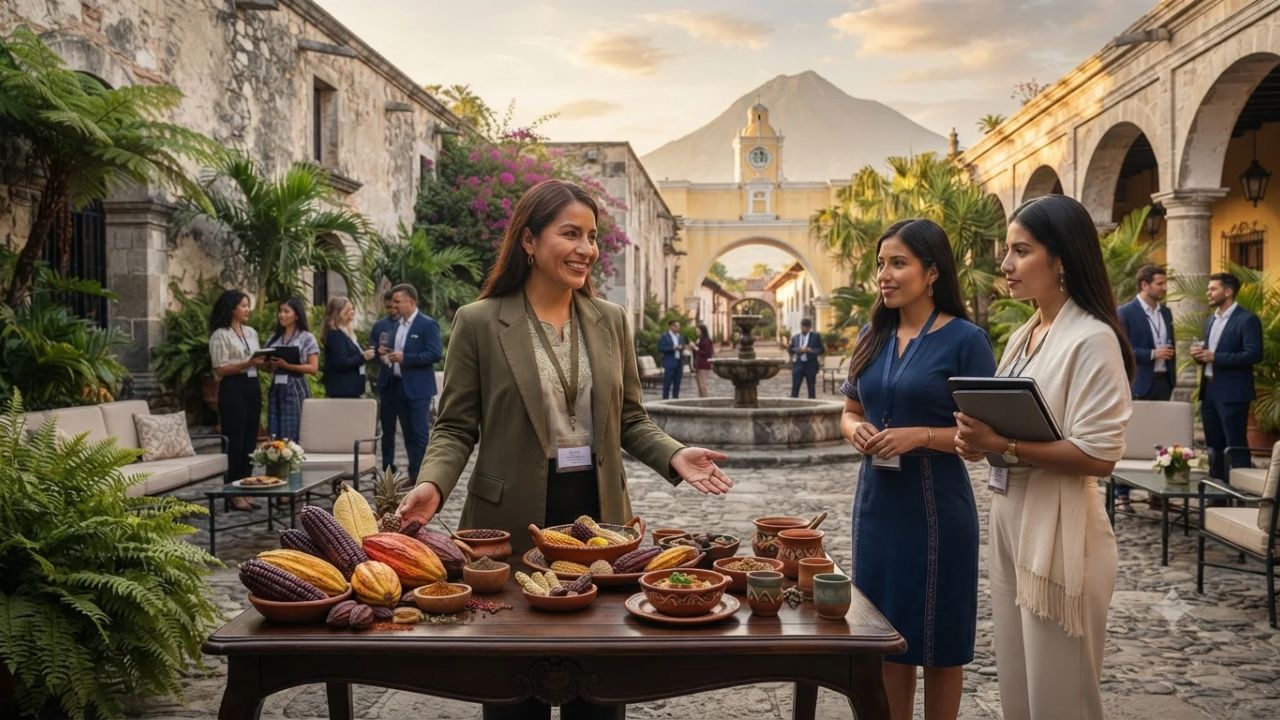
In the sixteenth-century stone courtyards of Antigua Guatemala, executive strategy meetings unfold beneath the rumbling plumes of nearby Volcán de Fuego, where attendees begin high-level negotiations with an ancestral Maya cacao ceremony rather than a standard corporate toast. That fusion of living Mesoamerican heritage and historic luxury architecture is propelling Guatemala to the forefront of the international meetings, incentives, conferences, and exhibitions (MICE) market. Bypassing cookie-cutter glass convention centers, international event organizers are staging C-suite retreats, regional summits, and incentive journeys within preserved colonial monasteries, shade-grown volcanic coffee plantations, and modern commercial hubs.
The national strategy, championed by the Guatemalan Tourism Institute (INGUAT / Visit Guatemala), creates a complementary dual-city axis. While Guatemala City's upscale Zona Viva (Zone 10) provides regional convention centers, financial headquarters, and high-capacity luxury business hotels, the historic capital of Antigua Guatemala—situated just 45 kilometers to the west—provides an intimate, walkable sanctuary of Spanish baroque ruins and repurposed monastic estates.
| Entity / Route | Metrics | Operational Status |
|---|---|---|
| MICE Destination Element | Regional Infrastructure | Corporate Delegate Experience |
| Historic Executive Center | Antigua Guatemala | Repurposed 16th-Century Convents |
| Modern Commercial Hub | Guatemala City (Zona 10) | International Trade Expos & MICE |
| Indigenous Gastronomy Integration | Ancient Maya Cuisine | Masterclasses in Pepián & Kak'ik |
| Ancestral Cultural Ritual | Criollo Cacao Tasting | Storytelling & Structured Mingling |
| Agro-Tourism Corporate Retreats | Volcanic Coffee Fincas | Single-Origin Shade-Grown Tours |
| Primary Aviation Gateway | La Aurora Airport (GUA) | Direct Flights Across Americas |
The Dual-Hub Formula: Zona Viva Modernity Meets Monastic Splendor
Guatemala's corporate travel appeal relies on the short transit corridor between its administrative capital and colonial heartland. In Guatemala City, corporate groups utilize large-scale exhibition halls and modern conference centers in Zone 10, surrounded by diplomatic embassies, international banking headquarters, and contemporary art galleries.
Following formal plenary sessions, executive delegations transfer to Antigua Guatemala, a UNESCO World Heritage site established in 1543. Framed by three towering volcanic peaks—Agua, Fuego, and Acatenango—the city preserves cobbled avenues, central stone fountains, and grand Spanish baroque facades.
Heritage properties like the historic Convent of Santo Domingo have been transformed into world-class museum hotels, where vaulted brick crypts, candlelit cloisters, and open-air courtyards host private strategy sessions and executive galas surrounded by pre-Columbian archaeological collections.
What Sets Mayan Gastronomy and Cacao Traditions Apart
What truly distinguishes Guatemala from standard incentive destinations is the authentic integration of indigenous culinary and spiritual traditions. Rather than standard banquet catering, corporate programs feature traditional Maya gastronomy led by indigenous culinary masters. Delegates participate in hands-on workshops preparing ancient ancestral stews like pepián—a rich, slow-simmered blend of roasted chiles, pumpkin seeds, sesame, and coriander—and kak'ik, a traditional Q'eqchi' turkey broth flavored with achiote, wild coriander, and chili cobanero.
Ceremonial cacao tastings serve as meaningful cultural icebreakers. Regarded in ancient Mayan cosmology as the "food of the gods" (theobroma) and used as currency across pre-Columbian Mesoamerica, pure native criollo cacao is lightly roasted, ground on traditional volcanic stone metates, and whisked with water, cardamom, and chili into an energizing, antioxidant-rich beverage.
On the slopes surrounding the Panchoy Valley, century-old coffee fincas like Finca Filadelfia invite groups into high-altitude shade-grown Arabica groves, where delegates observe the journey of single-origin Bourbon and Typica beans from volcanic soil to cupping table.
Visitor Insider Tips
- Airport-to-Antigua Transfer Strategy: When arriving at La Aurora International Airport (GUA), schedule ground transfers to Antigua before 15:00 or after 19:30 to bypass evening commuter bottlenecks exiting the capital along the Roosevelt Highway.
- Footwear and Cobblestone Etiquette: Antigua's authentic seventeenth-century cobblestone streets are uneven and protected under national historic preservation laws; wear sturdy, low-profile leather walking shoes with cushioned soles rather than narrow heels.
- Volcano Viewing Golden Hours: For views of Volcán de Fuego's active evening ash plumes without hiking high mountain ridges, reserve a rooftop terrace table near the Santa Catalina Arch between 17:30 and 19:00 as dusk settles over the valley.
- Textile Procurement Guidelines: When purchasing hand-woven textiles and huipiles, visit indigenous Kaqchikel artisan cooperatives in neighboring San Antonio Aguas Calientes or San Juan del Obispo; authentic backstrap-woven pieces use natural plant dyes and take months of skilled labor.
- Currency and Tipping Standards: While international credit cards are standard across Zona Viva and Antigua hotels, carry cash Guatemalan Quetzales (GTQ) in small denominations for tips to local coffee pickers, street artisans, and local transport drivers.
Cultural and Environmental Context
The rise of high-yield cultural MICE travel directly supports indigenous community empowerment across the Guatemalan highlands. The country is home to over twenty distinct Mayan ethnolinguistic groups, including the Kaqchikel, K'iche', Mam, and Q'eqchi', who maintain ancestral spiritual practices, agricultural cycles, and textile traditions.
Integrating authentic indigenous ceremonies and gastronomy into corporate tourism channels revenue directly to rural farming families and women-led weaving cooperatives rather than multinational intermediaries. Environmental sustainability is equally paramount: shade-grown volcanic coffee farms maintain vital canopy habitats for migratory songbirds, while community reforestation projects on the slopes of Volcán de Agua protect mountain watersheds from soil erosion. Travelers and corporate groups are encouraged to respect sacred indigenous ceremonial protocols, seek permission before photographing local residents in traditional attire, and support verified community-led social enterprises.
FAQ: Luxury MICE & Travel in Guatemala 2026
What makes Antigua Guatemala suitable for executive retreats?
Antigua offers private, converted 16th-century monastic hotels and colonial courtyards in a safe, walkable UNESCO-listed historic center just 45 minutes from the capital.
How are Maya traditions incorporated into corporate events?
Programs feature traditional criollo cacao tastings, ancient culinary masterclasses (pepián and kak'ik), volcanic coffee cuppings, and indigenous textile artisan workshops.
What is the closest international airport to Antigua Guatemala?
La Aurora International Airport (GUA) in Guatemala City is the primary gateway, located approximately 45 kilometers east of Antigua.
What is the best season for business events in Guatemala?
The dry season from November through April provides clear sunny days (20°C–25°C), cool mountain evenings, and unobstructed views of surrounding volcanoes.
[From the quiet stone cloisters of colonial convents to the ancient aroma of volcanic cacao, Guatemala transforms corporate gatherings into profound cultural encounters.]
Related Travel Guides
Disclaimer
This article is for informational and educational purposes only. It does not constitute legal, financial, or professional advice. While we strive to provide accurate and up-to-date information, travel policies, regulations, and conditions change rapidly. Always verify information with official sources before making travel decisions. Nomad Lawyer makes no representations about the accuracy, reliability, completeness, or suitability of the information provided. Readers should consult qualified professionals for advice specific to their circumstances. The views expressed in this article are those of the author and do not necessarily reflect the views of Nomad Lawyer.
Raushan Kumar
Founder & Lead Developer
Full-stack developer with 11+ years of experience and a passionate traveller. Raushan built Nomad Lawyer from the ground up with a vision to create the best travel and law experience on the web.
Learn more about our team →