
Guatemala Shifts Tourism Focus to Long-Stay Cultural Travel Amid Global Cruise and Aviation Shifts

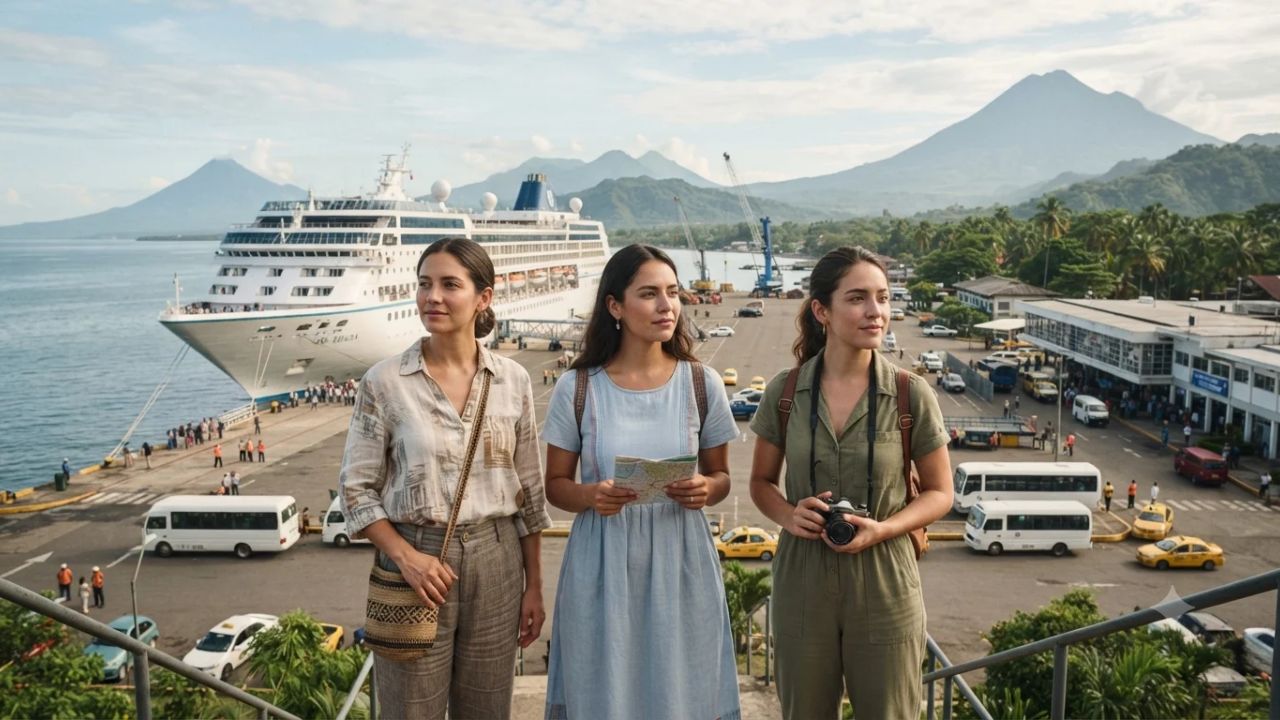
While rising marine bunker fuel prices have prompted major cruise lines to scale back secondary port calls across the Caribbean and Pacific, savvy independent travelers are finding Guatemala more rewarding than ever. Rather than relying on brief six-hour cruise shore excursions, the Central American nation is pivoting toward extended cultural journeys that connect visitors directly with Maya heritage, volcanic highlands, and indigenous artisan communities.
Global maritime and aviation realities are accelerating this strategic transition. Higher operating costs have pushed cruise conglomerates to consolidate itineraries around mega-ports, reducing scheduled stops at secondary harbors like Puerto Quetzal and Santo Tomás de Castilla. Concurrently, international airspace detours across global routes have increased fuel consumption for long-haul transatlantic flights into La Aurora International Airport in Guatemala City. In response, national tourism authorities and regional operators are encouraging travelers to book immersive, multi-week itineraries that bypass coastal cruise crowds entirely.
Navigating Flight Corridors and Shifting Port Schedules
Aviation and maritime logistics into Guatemala are adapting to economic pressures. Rising global fuel prices and extended long-haul flight routings from European hubs have placed upward pressure on ticket prices into Guatemala City's La Aurora International Airport.
To mitigate higher airfare costs, international travelers are increasingly booking multi-carrier itineraries through North American gateways like Miami, Houston, and Mexico City, or combining overland travel through neighboring Southern Mexico and Belize.
On the maritime front, reduced cruise ship arrivals have spurred coastal and highland communities to diversify their tourism offerings. Local tour guides, textile cooperatives, and private transportation providers—previously dependent on fleeting cruise passenger spending—are now developing small-group experiences centered around eco-lodges, coffee fincas, and community-managed reserves supported by the Guatemala Tourism Board (INGUAT).
What Sets Guatemala Apart: Living Maya Heritage and Highland Lakes
Guatemala provides a cultural depth unmatched in Central America, where ancient traditions remain an integral part of everyday contemporary life.
In the northern Petén jungle, Tikal National Park stands as an iconic inscribed UNESCO World Heritage site, where monumental Maya limestone pyramids rise through the rainforest canopy amid howler monkeys and keel-billed toucans. Exploring Tikal at dawn reveals an ancient ceremonial metropolis that flourished for over a millennium before its sudden decline.
Southward in the volcanic highlands, the colonial city of Antigua Guatemala charms visitors with cobblestone streets, ornate baroque church ruins, and vibrant bougainvillea spilling over monastery walls framed by the looming silhouettes of Agua, Fuego, and Acatenango volcanoes. Further west lies Lake Atitlán, a majestic volcanic caldera ringed by twelve distinct Kaqchikel and Tz'utujil Maya villages, each preserving distinctive textile weaving traditions, indigenous dialects, and community-led spiritual practices.
Visitor Insider Tips: Exploring Guatemala Like a Local
- Bypass Guatemala City Traffic for Direct Antigua Transfers: Upon landing at La Aurora International Airport (GUA), avoid staying overnight in the capital's busy commercial zones. Pre-arrange a licensed shuttle or private transfer directly to Antigua Guatemala, which takes roughly 45 to 60 minutes via the Pan-American Highway.
- Experience Sunrise at Tikal from Temple IV: Stay inside Tikal National Park at one of the rustic jungle lodges rather than in the distant island town of Flores. Entering the archaeological zone at 04:30 with an authorized local guide allows you to climb Temple IV and watch the sunrise burn through the jungle mist to the calls of waking wildlife.
- Travel Across Lake Atitlán on Public Lanchas: When exploring the villages of Lake Atitlán, use public wooden water taxis (lanchas) operating between Panajachel, San Juan La Laguna, and Santiago Atitlán. Fares average 15 to 25 Guatemalan Quetzales per leg; keep small change handy and confirm destination docks before boarding.
- Support Authentic Women's Weaving Cooperatives in San Juan: Avoid mass-produced synthetic textiles sold in crowded tourist stalls. Visit indigenous-run cooperatives in San Juan La Laguna, such as Casa Flor Ixcaco, where Tz'utujil women demonstrate traditional backstrap weaving and organic plant dyeing using avocado pits, indigo, and tree bark.
- Hike Acatenango Volcano Mid-Week: Overnight trekking on Acatenango volcano offers spectacular views of erupting Volcán de Fuego. Book a licensed local guide agency (such as community-based Old Town Outfitters or Wicho & Charlie's) for Tuesday or Wednesday ascents to avoid overcrowded base camp ridge sites on weekends.
Cultural and Environmental Context
The transition from mass cruise arrivals to low-impact, longer-stay cultural tourism directly benefits local conservation and indigenous autonomy. Traditional cruise tourism often resulted in high environmental stress with minimal financial yield for local artisans, as large international operators captured the majority of tour margins.
By contrast, independent cultural travelers spend significantly more on locally owned guesthouses, neighborhood comedores, and community-led biodiversity projects. In regions like Lake Atitlán and the Maya Biosphere Reserve, community forest concessions and indigenous-managed watersheds are proving that sustainable tourism can effectively safeguard cloud forests, reduce plastic runoff into volcanic lakes, and provide fair living wages for indigenous families.
FAQ: Visiting Guatemala in 2026
What is the best time of year to visit Guatemala?
The dry season from November to April offers clear sunny days, comfortable highland temperatures, and ideal hiking conditions for volcanic trails.
How do I travel between Guatemala City, Antigua, and Lake Atitlán?
Comfortable tourist shuttles and private vans connect Guatemala City, Antigua (1 hour), and Panajachel on Lake Atitlán (2.5 hours) with regular daily departures.
Is Tikal safe to explore independently?
Yes, Tikal is safe and well-patrolled by tourism police. Hiring a licensed local guide at the park entrance enhances the historical context and wildlife spotting.
Do I need a visa to enter Guatemala?
Citizens of the United States, Canada, the European Union, the UK, and Australia receive a 90-day visa-free entry stamp under the Central America-4 (CA-4) border agreement.
Moving beyond brief coastal stopovers reveals the true soul of Guatemala, where living traditions and volcanic heights reward those who travel slow.
Related Travel Guides
Disclaimer
This article is for informational and educational purposes only. It does not constitute legal, financial, or professional advice. While we strive to provide accurate and up-to-date information, travel policies, regulations, and conditions change rapidly. Always verify information with official sources before making travel decisions. Nomad Lawyer makes no representations about the accuracy, reliability, completeness, or suitability of the information provided. Readers should consult qualified professionals for advice specific to their circumstances. The views expressed in this article are those of the author and do not necessarily reflect the views of Nomad Lawyer.
Preeti Gunjan
Contributor & Community Manager
A passionate traveller and community builder. Preeti helps grow the Nomad Lawyer community, fostering engagement and bringing the reader experience to life.
Learn more about our team →