
Greece Extends Summer Peak into September 2026: Shoulder Season Savings, Island Rhythms, and Crowd Relief

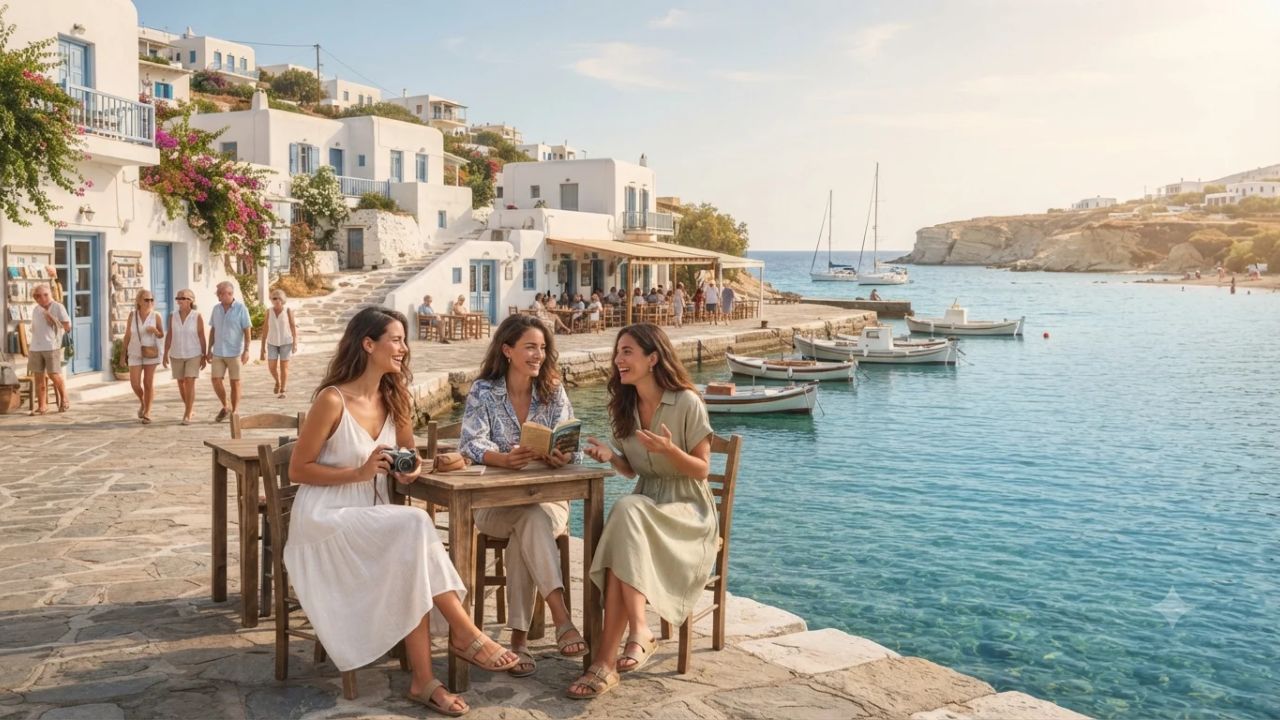
While Greece generated approximately US$15.5 billion in tourism revenue during the first seven months of the year, a decisive shift in traveler behavior saw June arrivals surge nearly 7% while average spending per trip dropped by more than 6%. Rather than paying peak premiums during the scorching heatwaves of July and August, international visitors are extending the Aegean high season well into September, trading gridlocked island lanes for comfortable Mediterranean warmth, lower lodging tariffs, and relaxed seaside tavernas.
This extension of the holiday calendar reflects a structural evolution in global travel habits. Facing rising airline fares and accommodation costs, travelers are prioritizing value-driven cultural immersion and outdoor activities over expensive, hurried itineraries. For Greece, September has emerged as the linchpin of a year-round sustainable tourism model.
The September Phenomenon: Calmer Waters, Lower Tariffs, and Stronger Value
For generations, the Greek tourism economy concentrated its commercial capacity into an intense eight-week window spanning July and August. While this influx filled hotels across Santorini, Mykonos, Rhodes, and Crete, it strained island water infrastructure, overcrowded ancient archaeological monuments, and pushed flight and ferry prices to seasonal maximums.
In response, international travelers are restructuring their vacation timing. September maintains Aegean sea temperatures between 24°C and 26°C (75°F to 79°F), while average daily hotel rates across the Cyclades and Dodecanese decline by 25% to 40% compared to peak August levels.
Seasonal Travel Comparison: Peak Summer vs. September Shoulder in Greece
| Travel Factor | July & August Peak | September Shoulder Season | Practical Traveler Advantage |
|---|---|---|---|
| Sea & Air Climate | 35°C – 40°C+; intense midday sun | 27°C – 30°C air; 25°C sea temp | Ideal for hiking, open-air archaeological touring, and swimming |
| Accommodation Costs | Peak seasonal tariffs across all tiers | 25% – 40% reduction from peak | Access to premium boutique suites and caldera views at lower rates |
| Ferry & Flight Availability | High sell-out risk on high-speed hydrofoils | Steady schedules with open seating | Flexible island-hopping itineraries without mandatory advance lock-in |
| Crowd Index (Santorini/Mykonos) | Extreme congestion; 2–3 hr sunset queues | Moderate, relaxed visitor flows | Unobstructed photography and easier walk-in dining at traditional tavernas |
| Archaeological Site Access | Midday heat closures at Acropolis/Knossos | Full daily operating hours without heat stress | Comfortable exploration of UNESCO World Heritage landmarks |
| Local Hospitality Rhythm | Strained staffing and hurried service | Receptive hosts, harvest festivals, and authentic culinary engagement | Deep cultural connection with islanders post-peak rush |
What Makes Greece in September Different
The Aegean Sea at Peak Swimming Temperature
While spring months like May feature warm air but brisk waters, September benefits from four continuous months of summer sun that heat the Aegean, Ionian, and Cretan Seas. Swimmers and divers encounter calm sea conditions with reduced Meltemi winds—the strong northern gusts that frequently disrupt summer ferry crossings in the Cyclades during July and August.
Authentic Cultural Connection and Grape Harvests
September coincides with Trigos, the traditional wine grape harvest celebrated across villages in Crete, Santorini, Naxos, and the Peloponnese. Visitors exploring inland villages encounter communal grape-stomping festivities, olive oil tastings, and seasonal fish catches that rarely make it to tourist menus during the chaotic peak months.
Official destination insights from the Greek National Tourism Organisation (GNTO) emphasize that shoulder-season exploration allows travelers to engage directly with local craftspeople, cheese makers, and family-run vineyards without the transactional rush of midsummer.
Unhurried Exploration of Ancient Monuments
Visiting the Parthenon in Athens, the Palace of Knossos in Crete, or the sanctuary of Delphi in September avoids the mandatory heatwave closures imposed during 40°C summer afternoons. Travelers can explore ancient ruins recognized by the UNESCO World Heritage Centre under clear, golden autumn light with minimal tour-bus congestion.
Visitor Insider Tips: Navigating Greece Beyond the Peak
- Book Regional Ferries over Domestic Flights: Take advantage of reliable post-peak ferry connections operated by major Greek lines. Sea transfers between Athens (Piraeus or Rafina) and the Cyclades offer open-air deck seating and scenic coastal approaches at a fraction of high-demand domestic airfares.
- Base Yourself on Secondary Islands: If Santorini or Mykonos feel too commercialized, consider neighboring islands such as Naxos, Paros, Sifnos, or Milos. These islands offer dramatic volcanic coastlines, authentic marble villages, and superior farm-to-table cuisine at substantially lower nightly rates.
- Carry Modest Dress for Byzantine Monasteries: When visiting monastic complexes like Meteora in Thessaly or the Monastery of Saint John on Patmos, ensure knees and shoulders are covered; skirts are provided or required for women at monastery entrances.
- Dine in the Neighborhood Kafenio: Look for village squares where older locals gather for Greek coffee and tsipouro. Ordering small meze plates (mezedes) of grilled octopus, fava dip, and seasonal wild greens (chorta) provides an authentic taste of local food culture at modest prices.
- Verify Ferry Schedules for Late September: While primary island routes operate year-round, high-speed catamaran frequencies begin tapering in late September. Verify schedule transitions through the Ministry of Tourism or official port authorities when planning late-month transfers.
Cultural and Environmental Context: Mitigating Overtourism and Preserving Island Heritage
The shift toward September travel directly supports environmental conservation and economic equity across the Greek archipelago. Peak midsummer overcrowding places severe strain on fragile island ecosystems, particularly groundwater aquifers and municipal waste systems in dry island environments.
By dispersing arrivals into the shoulder months, tourism revenue flows more steadily to year-round island residents, fishermen, and farmers rather than seasonal corporate concessionaires. This balanced cadence prevents burnout among local service workers and protects ancient marble monuments from accelerated physical wear, preserving Greece's cultural landscape for future generations.
FAQ: Visiting Greece in September 2026
Is the weather warm enough for swimming in Greece in September?
Yes. September offers some of the best swimming conditions of the year, with average water temperatures hovering between 24°C and 26°C across the Aegean and Ionian Seas.
How much can I save by traveling to Greece in September compared to August?
Accommodation prices and private boat charters generally drop by 25% to 40% in September, while restaurant menus and transport options remain fully operational at standard rates.
Are island shops, restaurants, and ferry lines open in September?
Yes. All major tavernas, beach clubs, historical museums, and ferry routes operate fully throughout September, with seasonal scaling only beginning in late October.
What is the best way to travel between Athens and the islands?
High-speed catamarans and conventional car ferries depart daily from Piraeus and Rafina ports in Athens, providing reliable transit to the Cyclades, Saronic, and Dodecanese islands.
In September, Greece sheds its frantic summer armor, revealing an intimate landscape where warm Aegean tides, golden afternoon light, and unhurried village hospitality reign supreme.
Related Travel Guides
Disclaimer
This article is for informational and educational purposes only. It does not constitute legal, financial, or professional advice. While we strive to provide accurate and up-to-date information, travel policies, regulations, and conditions change rapidly. Always verify information with official sources before making travel decisions. Nomad Lawyer makes no representations about the accuracy, reliability, completeness, or suitability of the information provided. Readers should consult qualified professionals for advice specific to their circumstances. The views expressed in this article are those of the author and do not necessarily reflect the views of Nomad Lawyer.
Naina Thakur
Contributor & Travel Specialist
Travel enthusiast and legal writer covering visa regulations, responsible tourism, and cultural journeys across global destinations.
Learn more about our team →