
Mona Island Maritime Safety: Navigating Puerto Rico's Remote Wildlife Reserve and the Mona Passage

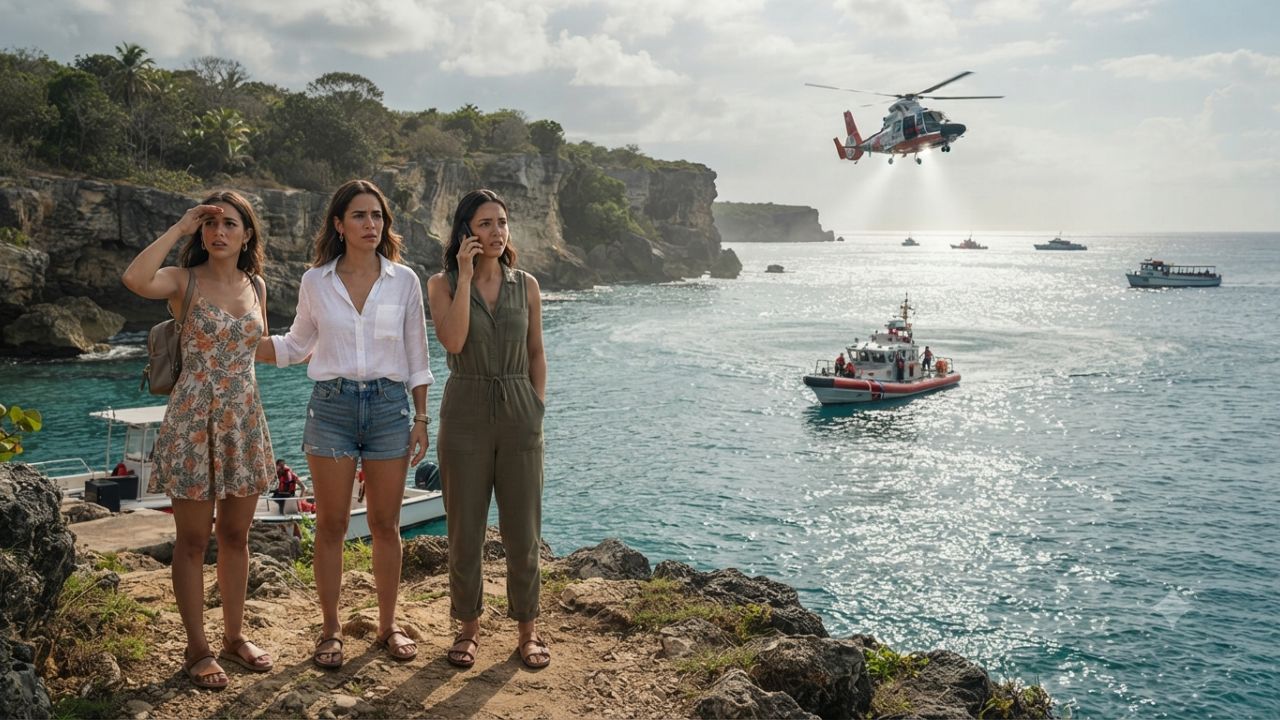
Located in the treacherous Mona Passage 41 miles west of Puerto Rico, Mona Island represents the territory's most isolated nature reserve, where visiting requires strict government permits, self-contained survival provisions, and licensed maritime charters. A recent maritime emergency involving a makeshift vessel capsizing 10 miles offshore—resulting in 49 rescues, 3 recovered fatalities, and 10 missing passengers—has focused renewed attention on the vital difference between regulated ecotourism expeditions and unauthorized open-sea transit across this unpredictable Caribbean strait.
The emergency occurred late Sunday night when a makeshift boat carrying 62 individuals overturned following a reported onboard altercation involving a machete. Responders from the United States Coast Guard, Puerto Rico Police, and the Dominican Republic Air Force initiated a multi-agency search-and-rescue operation, with survivors transferred to Homeland Security Investigations and U.S. Customs and Border Protection for processing. Investigators noted that none of the passengers on the improvised vessel were wearing personal flotation devices.
The Ecological Allure and Strict Protocols of Isla de Mona
Often described by biologists as the Galápagos of the Caribbean, Mona Island is an uninhabited, 14,000-acre limestone plateau administered by the Puerto Rico Department of Natural and Environmental Resources (DRNA). Renowned for its endemic Mona ground iguanas, subterranean cave networks, and pristine coral reefs, the reserve operates under stringent conservation controls designed to prevent ecological degradation.
Legitimate visitation to Mona Island is strictly regulated. The DRNA requires all prospective campers and scientific expeditions to submit formal permit applications at least five working days prior to departure. To safeguard the reserve's delicate ecology and manage water supply limitations, overnight stays are restricted to designated campsites at Playa Pájaros (capped at 50 people) and Playa Sardinera (capped at 60 people), with an established camping fee of $10 per person per night.
Reaching Mona Island demands an arduous three- to four-hour crossing over the Mona Passage from Cabo Rojo or Mayagüez aboard licensed, high-end ocean charters. The adjacent island of Monito remains completely closed to the general public, reserved exclusively for accredited environmental researchers.
Incident Metrics and Official Visitor Guidelines
Comparing the circumstances of the offshore rescue with the operational standards of regulated reserve travel highlights the necessity of strict maritime planning.
| Key Metric / Protocol | Maritime Incident Detail | Official DRNA Visitor Standard |
|---|---|---|
| Vessel Type & Origin | Improvised makeshift craft; undisclosed origin | US Coast Guard-certified offshore commercial charter |
| Total Passengers / Capacity | 62 individuals aboard overloaded craft | Strictly capped: 50 at Playa Pájaros, 60 at Playa Sardinera |
| Safety Equipment | Zero life jackets reported in use | Mandatory Type I commercial marine life vests per passenger |
| Incident Outcome | 49 rescued, 3 fatalities, 10 missing | Zero commercial ecotourism disruptions recorded |
| Permit & Access Requirements | Unauthorized maritime crossing | Advance DRNA permit required (minimum 5 working days) |
| Reserve Camping Fee | Not applicable | $10 per person per night |
| Alcohol & Resource Rules | Unregulated | Alcohol strictly banned; zero-waste pack-in/pack-out rule |
| Search & Enforcement Agencies | USCG, PR Police, Dominican Republic Air Force | DRNA Park Rangers, US Fish & Wildlife Service |
Puerto Rico's Expanding Tourism Sector and Travel Safety
While the tragedy in the Mona Passage underscores the inherent dangers of unregulated maritime movement, Puerto Rico's broader tourism industry continues to achieve historic milestones. Official performance figures from Discover Puerto Rico confirm that the island welcomed 8.1 million visitors in 2025, generating approximately $8.2 billion in total economic impact—an 8% increase compared to 2024 and the fifth consecutive year of record performance.
Aviation and cruise gateways demonstrate the sheer scale of the destination's mainstream infrastructure. Luis Muñoz Marín International Airport in San Juan recorded approximately 6.8 million arriving air passengers in 2025, while the Port of San Juan cruise terminals processed more than 1.59 million cruise travelers.
As tourism marketing expands to encourage exploration of regional natural reserves, bioluminescent bays in Vieques, and mountain trails in El Yunque, destination authorities emphasize maritime safety. The U.S. Department of State reminds ocean travelers that Caribbean currents and localized weather conditions require booking excursions solely through fully licensed, insured operators with verified emergency communication capabilities.
Visitor Insider Tips for Exploring Remote Puerto Rican Waters
Exploring Puerto Rico’s remote marine sanctuaries requires thorough preparation and strict adherence to safety protocols.
- Book Only Certified Charter Captains: Ensure your boat charter holds active United States Coast Guard commercial passenger certification and carries operational VHF marine radios, EPIRB satellite beacons, and sufficient offshore life vests.
- Plan Mona Expeditions Six Months Ahead: Because daily visitor limits on Mona Island are capped under 110 total campers across both beaches, submit your DRNA camping permits months in advance, especially for the prime dry season between December and April.
- Pack Absolute Self-Sufficiency: Mona Island has no commercial stores, potable water hookups, or electricity. Visitors must transport all drinking water (a minimum of one gallon per person per day), cooking gas, food, medical kits, and heavy-duty trash bags to pack out every piece of waste.
- Respect Conservation Bans: Alcohol is strictly prohibited within the Mona Island reserve to maintain safety and prevent brush fires. Avoid disturbing nesting sea turtles along the sandy coves and refrain from touching historical Taíno petroglyphs inside the cliff caves.
Cultural and Environmental Context of the Mona Passage
The Mona Passage has served as a strategic maritime corridor for centuries, linking the Atlantic Ocean with the Caribbean Sea between Hispaniola and Puerto Rico. Its deep submarine trenches and opposing tidal currents create one of the most hydrodynamically complex marine environments in the Americas, historically utilized by Taíno seafaring navigators and early Spanish maritime expeditions.
Ecologically, Mona Island represents a vital biodiversity refuge. The surrounding coral reefs house endangered hawksbill sea turtles, migratory humpback whales, and thriving grouper populations. Because the island lacks permanent human habitation, maintaining strict carrying capacities prevents the introduction of invasive species and shields subterranean archaeological caverns from vandalism.
For travelers, engaging with Puerto Rico's offshore wilderness through legitimate, conservation-minded outfitters ensures that delicate island habitats remain protected while providing vital revenue for local ranger programs and ecological research.
FAQ: Visiting Mona Island and Caribbean Waters in 2026
Can tourists visit Mona Island on a day trip?
Yes, but day trips require a four-hour open-ocean crossing each way from western Puerto Rico and an approved DRNA entry permit. Most visitors choose multi-day camping.
How do I apply for a Mona Island camping permit?
Applications must be submitted directly to the Puerto Rico Department of Natural and Environmental Resources (DRNA) at least five working days before departure, paying the $10 nightly fee.
Is traveling on boat tours in Puerto Rico safe?
Yes. Mainstream commercial boat tours, snorkeling catamarans, and registered charters comply with strict United States Coast Guard maritime safety standards.
Are there facilities or hotels on Mona Island?
No. Mona Island is an uninhabited nature reserve with rustic composting toilets and designated clearings at Playa Pájaros and Playa Sardinera; visitors must bring all water and food.
In the wild expanse of the Caribbean, true adventure requires honoring the power of the sea and respecting the rules that preserve our most untouched frontiers.
Related Travel Guides
Disclaimer
This article is for informational and educational purposes only. It does not constitute legal, financial, or professional advice. While we strive to provide accurate and up-to-date information, travel policies, regulations, and conditions change rapidly. Always verify information with official sources before making travel decisions. Nomad Lawyer makes no representations about the accuracy, reliability, completeness, or suitability of the information provided. Readers should consult qualified professionals for advice specific to their circumstances. The views expressed in this article are those of the author and do not necessarily reflect the views of Nomad Lawyer.
Preeti Gunjan
Contributor & Community Manager
A passionate traveller and community builder. Preeti helps grow the Nomad Lawyer community, fostering engagement and bringing the reader experience to life.
Learn more about our team →