
Southern Africa Responsible Tourism Guide 2026: Sustainable Safaris Across Botswana, Namibia, Mozambique, and South Africa

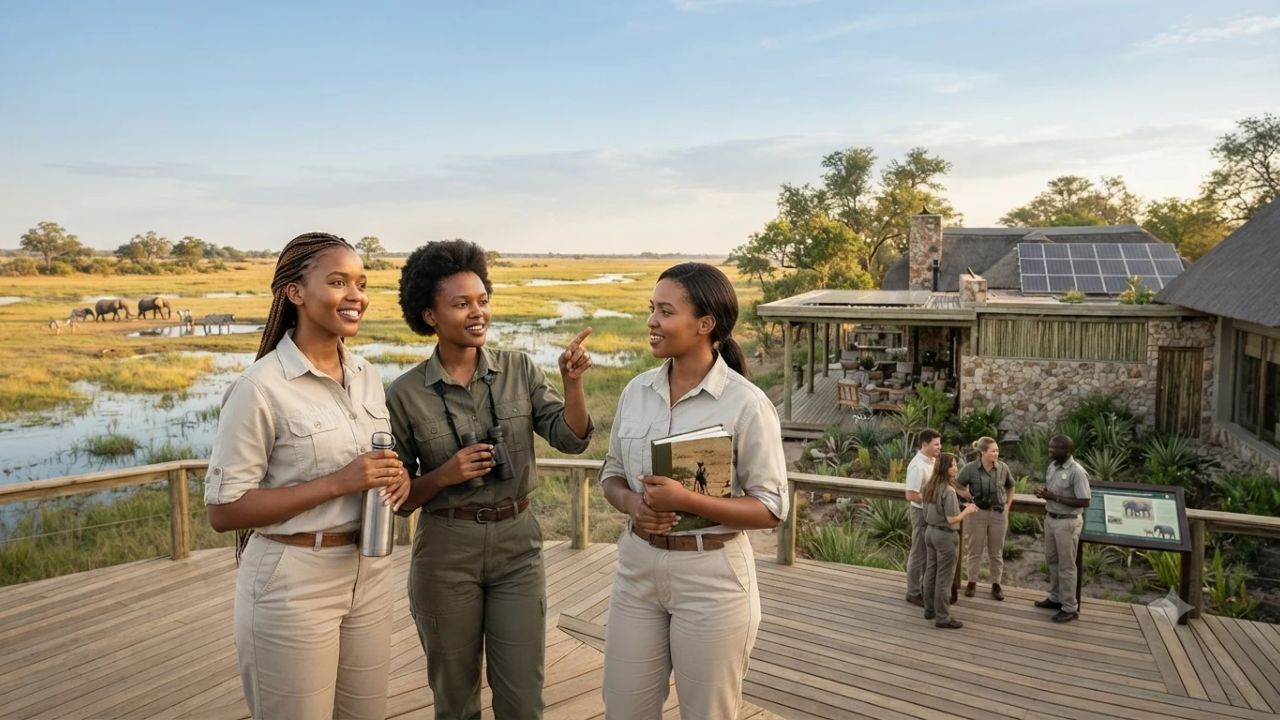
In a regional alignment that is transforming safari travel across Southern Africa, Botswana, Namibia, Mozambique, and South Africa are linking national conservation networks under verified Fair Trade Tourism standards to guarantee that visitor spending directly finances indigenous landholders and anti-poaching units. Rather than relying on self-declared eco-labels, luxury lodges and wilderness concessions across the Okavango Delta, the Namib Desert, and the Bazaruto Archipelago now undergo independent third-party audits to verify fair local wages, carbon mitigation, and wildlife corridor protection.
This regional movement empowers travelers to distinguish authentic community-owned conservancies from superficial greenwashing. By establishing transparent cross-border criteria, Southern Africa offers a sustainable travel blueprint where low-impact wilderness exploration preserves fragile ecosystems while providing rural communities with durable economic independence.
The Regional Sustainability Architecture: Verified Standards and Conservation Models
Nature-based tourism forms the foundation of Southern Africa's visitor economy. To prevent habitat degradation and ensure tourism benefits reach beyond corporate concessionaires, regional governments are embedding independent certification across nature reserves, marine parks, and cultural heritage sites.
Comparative Framework: Sustainable Tourism Models Across Southern Africa
| Country | Primary Tourism Focus | Core Environmental & Social Mechanism | Flagship Conservation Destinations |
|---|---|---|---|
| Botswana | High-Value, Low-Density Safari Tourism | Concession quotas; direct community royalty leases; strict motorized limits | Okavango Delta, Chobe National Park, Moremi Game Reserve |
| Namibia | Community Conservancies & Desert Expeditions | Legal wildlife management rights granted to local communal trusts | Namib Desert, Etosha National Park, Damaraland Conservancies |
| Mozambique | Marine Conservation & Island Eco-Tourism | Marine protected area zoning; artisanal fishery partnerships | Bazaruto Archipelago, Quirimbas, Ponta do Ouro Marine Reserve |
| South Africa | Multi-Sector Heritage & Wilderness Travel | National park stewardship via SANParks; Fair Trade Tourism audits | Kruger National Park, iSimangaliso Wetland Park, Cape Floral Region |
These frameworks, audited in partnership with Fair Trade Tourism, enforce rigorous criteria including equitable employment terms, transparent resource usage, ethical wildlife interaction codes, and support for local food supply chains.
What Makes Southern Africa's Sustainable Model Unique
Botswana: High-Yield, Low-Impact Wilderness Stewardship
Botswana pioneered Africa's premier low-density tourism model. Administered through the Botswana Tourism Organisation (BTO), the government restricts vehicle and bed capacities in sensitive wetlands. In the Okavango Delta—a wetland wilderness recognized by the UNESCO World Heritage Centre—safari operators pay substantial concession fees to local community trusts, financing habitat preservation and water protection across the Kalahari basin.
Namibia: The Communal Conservancy Success Story
Under the leadership of the Ministry of Environment, Forestry and Tourism, Namibia established legislation granting indigenous rural populations communal ownership over local wildlife resources. In regions surrounding Etosha National Park and the red sand dunes of the Namib Desert, local pastoralists manage safari concessions, transforming former poaching hotspots into secure habitats for desert-adapted lions, elephants, and black rhinos.
Mozambique: Marine Sanctities and Coastal Co-Management
In Mozambique, sustainable tourism centers on marine ecosystem preservation. Across the coral reefs of the Bazaruto Archipelago, eco-lodges collaborate with artisanal fishing villages to enforce marine protected zones. These partnerships protect endangered dugongs, manta rays, and sea turtles while providing island residents with employment as licensed diving guides, boat skippers, and marine researchers.
South Africa: Broad-Spectrum Conservation and Heritage
South Africa combines wildlife protection across South African National Parks (SANParks) with cultural tourism. From private game reserves surrounding Greater Kruger to community heritage trails along the Wild Coast, verified properties demonstrate that tourism can stimulate regional economies while restoring indigenous biodiversity.
Visitor Insider Tips: Booking Certified Sustainable Safaris
- Look for the Fair Trade Tourism Label: When booking safari camps or coastal retreats, verify whether the property holds active Fair Trade Tourism certification or mutual recognition under Global Sustainable Tourism Council (GSTC) standards. Certified lodges guarantee fair wages, ethical staff working conditions, and verified community revenue shares.
- Support Community-Run Concession Camps: Opt to stay in lodges built on communal land trusts rather than entirely private freehold estates. In community conservancies, a defined percentage of your nightly bed fee is transferred directly to village education, clean water, and healthcare funds.
- Avoid Artificial Wildlife Interactions: Ethical operators across Southern Africa enforce strict bans on commercial cub petting, predator walking safaris, or baiting wild animals. Choose game drives that observe animals behaving naturally in unconfined habitats.
- Carry Reusable Filtration Water Bottles: High-end sustainable lodges have banned single-use plastic water bottles. Bring a durable stainless steel bottle; camps provide chilled, multi-stage filtered borehole water for daily game drives.
- Tip Conservation Trackers and Lodge Staff Directly: While concession fees cover operational costs, direct gratuities provided to field trackers, spotters, and back-of-house culinary teams directly support extended families in neighboring rural villages.
Cultural and Environmental Context: Climate Resilience and Anti-Poaching Partnerships
Southern Africa's wildlife regions face increasing climate pressures, including fluctuating rainfall and multi-year droughts. In response, certified lodges are investing heavily in off-grid infrastructure: 100% solar microgrids, closed-loop wastewater recycling, and energy-efficient thermodynamic cooling systems that operate without fossil fuels.
Equally important are community-led anti-poaching initiatives. By ensuring that local communities receive tangible financial returns from photographic tourism, residents become active protectors of regional wildlife. In Damaraland and the Greater Limpopo transfrontier conservation area, former poachers are employed as wildlife rangers, demonstrating that economic empowerment is the most effective tool for species survival.
FAQ: Sustainable Travel in Southern Africa 2026
What does Fair Trade Tourism certification mean for travelers?
Fair Trade Tourism certification verifies that a safari lodge, tour operator, or activity complies with independent global criteria for fair wages, safe working conditions, community benefit sharing, and ethical environmental management.
How does Botswana maintain low tourist density in the Okavango Delta?
Botswana limits the total number of tourist beds and vehicles permitted within each concession area, prioritizing high-value, low-density tourism that minimizes ecological disturbance.
Are community conservancies in Namibia safe for self-drive travelers?
Yes. Namibia's communal conservancies feature well-maintained 4x4 tracks, signposted community campsites, and local information centers staffed by resident conservancy guides.
What is the best season for sustainable wildlife safaris in Southern Africa?
The dry winter season (May through October) offers prime game viewing around shrinking waterholes in Botswana, Namibia, and South Africa, while marine diving in Mozambique is excellent year-round.
By choosing verified sustainable lodges, travelers in Southern Africa help ensure that ancient elephant migration routes and pristine coral reefs remain safeguarded for generations to come.
Related Travel Guides
Disclaimer
This article is for informational and educational purposes only. It does not constitute legal, financial, or professional advice. While we strive to provide accurate and up-to-date information, travel policies, regulations, and conditions change rapidly. Always verify information with official sources before making travel decisions. Nomad Lawyer makes no representations about the accuracy, reliability, completeness, or suitability of the information provided. Readers should consult qualified professionals for advice specific to their circumstances. The views expressed in this article are those of the author and do not necessarily reflect the views of Nomad Lawyer.
Raushan Kumar
Founder & Lead Developer
Full-stack developer with 11+ years of experience and a passionate traveller. Raushan built Nomad Lawyer from the ground up with a vision to create the best travel and law experience on the web.
Learn more about our team →