
Luang Prabang Luxury Heritage Guide 2026: Boutique Hospitality, French-Lao Architecture, and Mekong Rhythms

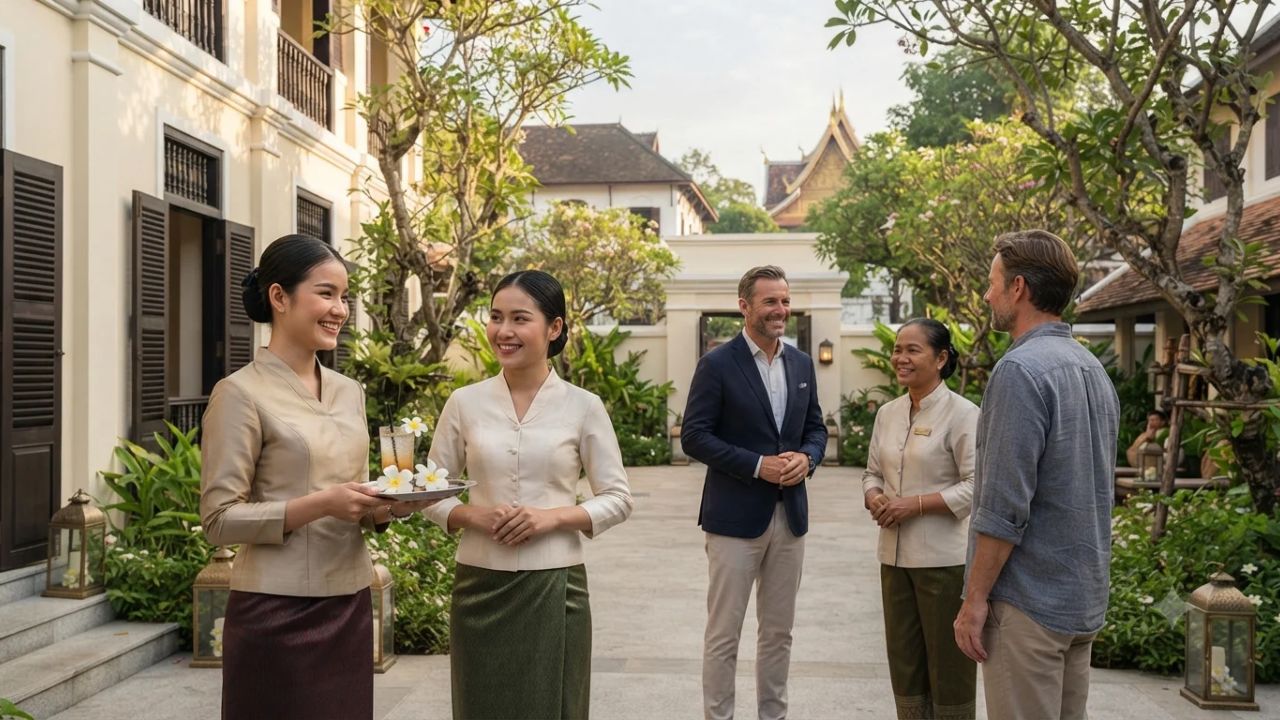
Positioned directly across from the evening handicraft market in a peninsula cradled by the Mekong and Nam Khan rivers, the 53-room Avani+ Luang Prabang is redefining boutique heritage hospitality following the expansion of Minor Hotels across Laos. Under the new leadership of Swiss hotelier Patrick Manthe—who brings more than 25 years of luxury resort management across Asia-Pacific and Europe—this sanctuary exemplifies how sensitive contemporary architecture can integrate into the protected UNESCO World Heritage core of Luang Prabang.
The appointment marks a pivotal chapter for luxury travel in Laos. Following the launch of Avani+ Lanexang Vientiane in July 2026, the brand's presence in Luang Prabang connects discerning international travelers with century-old Buddhist monasteries, French colonial villas, and riverway expeditions along the upper Mekong basin.
Boutique Hospitality in a UNESCO Sanctuary: Property Profile and Heritage Context
Luang Prabang's strict heritage zoning laws prohibit high-rise construction, ensuring that properties like Avani+ maintain intimate low-rise profiles centered around open courtyards, ancient banyan trees, and 25-meter swimming pools. The 53 rooms and suites incorporate teakwood furnishings, woven Lao textiles, and French louvered doors that open onto shaded balconies.
Hospitality & Heritage Profile: Avani+ Luang Prabang & Laos Network
| Operational Dimension | Property Specification | Cultural & Guest Significance |
|---|---|---|
| Inventory & Footprint | 53 Luxury Rooms & Suites | Low-density boutique scale preserving intimate heritage ambiance |
| Location & Setting | Central Historic Peninsula | Directly opposite the Night Market; walking distance to Wat Xieng Thong |
| General Management | Patrick Manthe (Swiss National) | 25+ years experience (former GM at Crimson Boracay, Amari Pattaya, Chatrium Bangkok) |
| Parent Hospitality Group | Minor Hotels | Second branded property in Laos following Avani+ Lanexang Vientiane (July 2026) |
| UNESCO Designation | Town of Luang Prabang | Preserves 34 Buddhist monasteries and fusion French-Lao urban fabric |
| Culinary & Wellness | Bistro Dining & Anantara Spa links | Indigenous Lao farm-to-table cuisine paired with traditional herbal therapies |
With Patrick Manthe holding a Higher Diploma in Hotel Management from the Swiss School of Hotel and Tourism Management and speaking German, English, and French, the property's operational vision focuses on community-rooted hospitality that connects guests with local artisanal weaving cooperatives and organic farms along the Mekong.
What Makes Luang Prabang Different: Monastic Serenity and Colonial Grace
Recognized since 1995 by the UNESCO World Heritage Centre, Luang Prabang is celebrated for its preservation of traditional Lao wooden architecture fused with European colonial civic structures.
The Sacred Dawn: Tak Bat Almsgiving
Every morning at daybreak, the ancient ritual of Tak Bat unfolds as hundreds of saffron-robed Buddhist monks walk barefoot through the mist-shrouded streets to receive sticky rice offerings from local residents. Witnessing this centuries-old meditation in silence provides a profound spiritual introduction to Lao culture.
Architectural Masterpieces: Wat Xieng Thong and Royal Heritage
At the tip of the peninsula where the Nam Khan meets the Mekong stands Wat Xieng Thong (Temple of the Golden City). Built in 1560, its sweeping multi-tiered roofs sweep low to the ground, adorned with intricate gold leaf stenciling and the famous "Tree of Life" glass mosaic. Nearby, Mount Phousi rises 100 meters above the town center, offering 360-degree views of the forested karst mountains.
Official travel guidance from Tourism Laos highlights how regional rail links via the modern Laos-China Railway now connect Vientiane and Vang Vieng to Luang Prabang in under two hours, making multi-stop cultural itineraries seamless.
Visitor Insider Tips: Navigating Luang Prabang Like a Local
- Respect Tak Bat Etiquette: If observing the morning almsgiving ritual, maintain a respectful distance across the street. Dress modestly with shoulders and knees covered, do not use camera flashes, and avoid positioning yourself above or in the path of the walking monks.
- Explore by Bicycle: Luang Prabang's historic core is quiet and compact. Borrow one of the complimentary vintage bicycles from the hotel lobby to explore back alleys, hidden temple gardens, and quiet French bakeries along the riverfront.
- Sample Authentic Northern Lao Flavors: Dine at local riverside stalls to taste Khao Soi Luang Prabang (spicy minced pork and fermented soybean soup over hand-cut rice noodles), Or Lam (aromatic herbal stew flavored with sakhan pepper wood), and grilled Mekong river fish with Jeow Bong chili paste.
- Take a Sunset Longtail River Cruise: Charter a traditional wooden longtail boat in the late afternoon to cruise upstream past rural fishing hamlets, watching the sun dip behind the limestone peaks of the Mekong gorge.
- Visit Kuang Si Falls Early: Beat day-tripper crowds to the turquoise multi-tiered pools of Kuang Si Waterfalls by arriving at 8:30 AM. Combine swimming with a visit to the adjacent Tat Kuang Si Bear Rescue Centre.
Cultural and Environmental Context: Preserving Heritage and Supporting Artisans
Luang Prabang's status as a UNESCO World Heritage site requires careful management of visitor flows and architectural integrity. Municipal building codes strictly mandate the use of traditional materials—such as clay roof tiles, lime-washed plaster, and indigenous hardwoods—in all restorations.
Furthermore, luxury boutique hospitality plays an active role in sustainable community development. Properties like Avani+ partner with traditional silk-weaving centers like Ock Pop Tok to preserve indigenous dye-making traditions, while culinary teams source fresh river herbs, bamboo shoots, and organic vegetables from local farmers' collectives, ensuring tourism spending supports rural livelihoods.
FAQ: Visiting Luang Prabang 2026
What is the best time of year to visit Luang Prabang?
The dry, cool season between November and February offers pleasant daytime temperatures around 25°C to 28°C and cool evenings, ideal for walking, cycling, and river cruising.
How do I get to Luang Prabang from Vientiane?
Travelers can take the high-speed Laos-China Railway from Vientiane to Luang Prabang in approximately 2 hours, or book a 45-minute domestic flight to Luang Prabang International Airport (LPQ).
Do international travelers need a visa for Laos?
Most international visitors can secure a 30-day tourist visa-on-arrival at Luang Prabang International Airport or apply online for an official Lao e-Visa prior to departure.
How many days should I spend in Luang Prabang?
A stay of 3 to 4 full days allows travelers to explore the UNESCO historic quarter, visit Kuang Si and Pak Ou Caves, and take a leisurely river expedition.
In Luang Prabang, time moves to the rhythm of temple drum beats and flowing river tides, offering a rare sanctuary where sacred traditions and refined hospitality endure.
Related Travel Guides
Disclaimer
This article is for informational and educational purposes only. It does not constitute legal, financial, or professional advice. While we strive to provide accurate and up-to-date information, travel policies, regulations, and conditions change rapidly. Always verify information with official sources before making travel decisions. Nomad Lawyer makes no representations about the accuracy, reliability, completeness, or suitability of the information provided. Readers should consult qualified professionals for advice specific to their circumstances. The views expressed in this article are those of the author and do not necessarily reflect the views of Nomad Lawyer.
Preeti Gunjan
Contributor & Community Manager
A passionate traveller and community builder. Preeti helps grow the Nomad Lawyer community, fostering engagement and bringing the reader experience to life.
Learn more about our team →