
Greece and Italy Lead Europe Tourism Revival With Record 2026 Visitor Growth and New Connectivity
Greece, Italy, Spain, and Bulgaria are redefining European tourism in 2026 through high-value experiences, record-breaking visitor numbers, and strategic infrastructure investments to diversify travel beyond peak summer months.

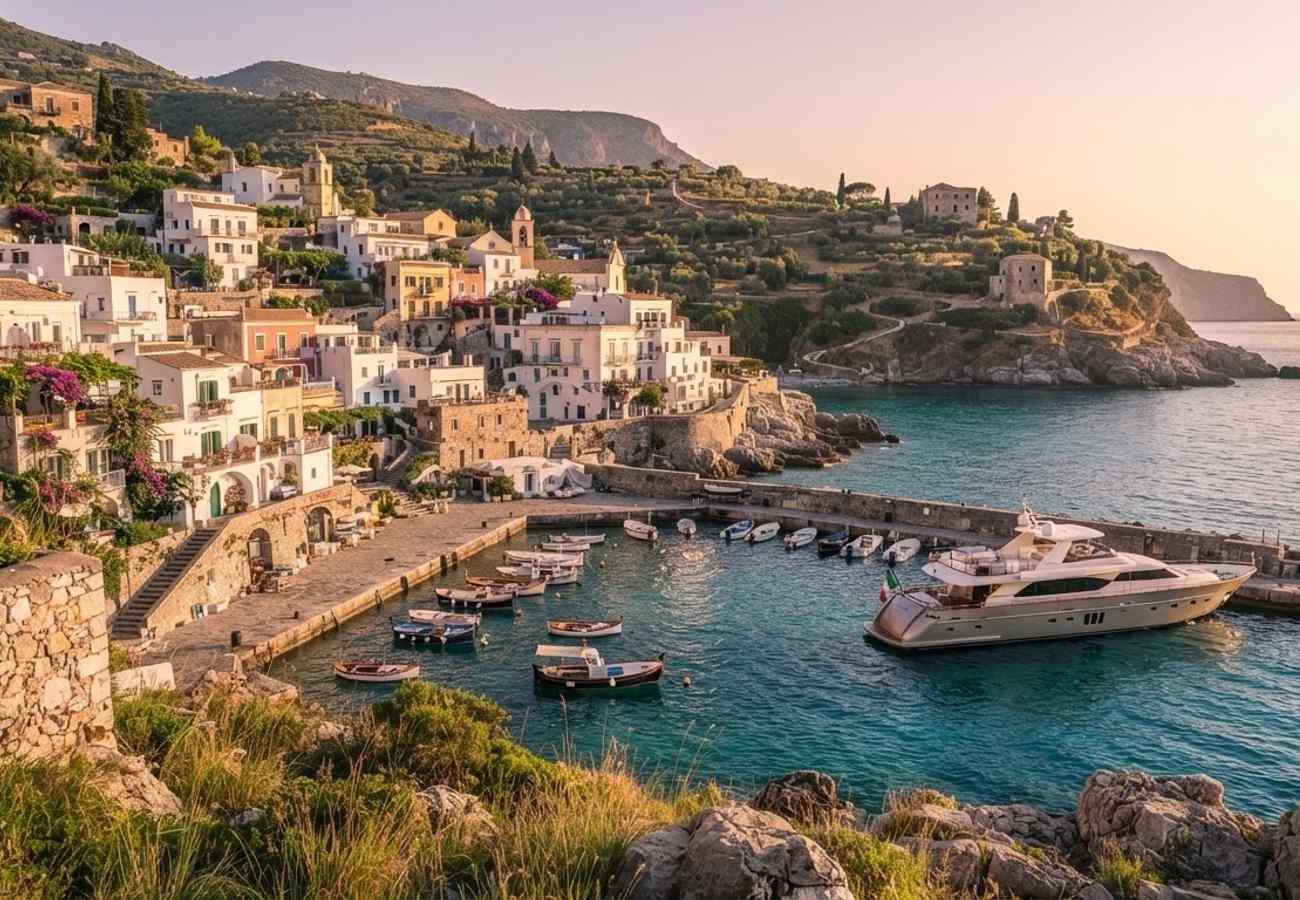
Image generated by AI
European tourism is undergoing a structural shift in 2026, moving away from mass-market volume toward high-value, regionalized travel. Greece and Italy are currently spearheading this revival by leveraging improved accessibility and authentic, off-the-beaten-path experiences.
Strategic Shifts in Mediterranean Tourism
The European travel landscape in 2026 is defined by a pivot toward sustainability and the redistribution of tourist traffic. While traditional hubs remain popular, national strategies are now focused on "shoulder-season" travel to combat climate challenges and overcrowding.
Greece: Prioritizing Value Over Volume
Greece has seen a rapid surge in inbound demand, but the focus has shifted toward increasing the economic yield per visitor. Despite record arrivals, a slight decline in average spending per person has prompted a strategic move toward luxury and wellness sectors.
- Visitor Growth: 15.4% increase in inbound travelers.
- Total Arrivals: 13.49 million visitors (H1 2026).
- Economic Impact: Tourism receipts reached €8.80 billion.
- Accessibility Trends: Road border crossings surged by 49.3%, while airport arrivals grew by 7.3%.
Italy: The Authenticity Advantage
Italy is utilizing a competitive pricing model and a push toward "slow travel" to outpace regional competitors. By promoting rural regions over saturated city centers, Italy is maintaining high occupancy rates.
- Arrival Growth: 4.4% increase in the first half of 2026.
- Occupancy Rate: 51.2% average accommodation occupancy.
- Price Point: Average nightly accommodation cost is approximately €153.
- Emerging Hubs: Increased momentum in Calabria, Sardinia, and Umbria.
Spain: Economic Dominance and Scale
Spain continues to set the benchmark for tourism scale in Europe, showing significant growth in both visitor numbers and direct financial contributions to the economy.
- International Arrivals: 58.1 million tourists (January–July 2026).
- Year-on-Year Growth: 4.6% increase in visitors.
- Tourism Expenditure: €82.05 billion (a 7.8% increase).
- Primary Markets: United Kingdom (11.5 million visitors), followed by France and Germany.
Bulgaria: Infrastructure and Market Expansion
Unlike the Mediterranean leaders, Bulgaria is currently in a recovery and investment phase, focusing on aviation connectivity to reverse a slight dip in overnight stays.
- Overnight Stays: Declined by 1.7% in H1 2026.
- Strategic Intervention: Launch of the Connectivity and Promotion Fund.
- Aviation Capacity: Over 100,000 airline seats secured, primarily from Germany.
- Target Hubs: Increased focus on Burgas and Varna (Black Sea coast).
2026 European Tourism Performance Metrics
| Country | Visitor Growth (H1 2026) | Key Financial Metric | Primary Strategy |
|---|---|---|---|
| Greece | +15.4% | €8.80 Billion Receipts | High-value/Luxury pivot |
| Italy | +4.4% | €153 Avg. Nightly Rate | Regional diversification |
| Spain | +4.6% | €82.05 Billion Spending | Market scale & infrastructure |
| Bulgaria | -1.7% (Stays) | 100k+ New Seats | Connectivity & Visa reform |
Why This Matters: Industry Analysis
From a logistical perspective, the data indicates a decoupling of "visitor volume" and "economic success." Greece's experience—where arrivals rose by 15.4% but spending per head dipped—is a warning sign for the industry. It proves that mass tourism alone does not guarantee proportional economic growth.
For travelers, the real impact is the decentralization of the European experience. The push toward regions like Umbria in Italy or the mainland of Greece means that infrastructure in secondary cities is improving. We are seeing a transition where "luxury" is no longer just about five-star hotels, but about "exclusive access" to authentic, rural lifestyles.
From an aviation standpoint, Bulgaria's Connectivity and Promotion Fund is a critical move. By using tourism tax revenue to subsidize airline seats, Bulgaria is acknowledging that accessibility is the primary bottleneck for growth, not the quality of the destination.
Industry Outlook
Expect a continued aggressive push into the "shoulder seasons" (Spring and Autumn) as Mediterranean countries attempt to mitigate the impact of summer heatwaves. We anticipate more bilateral visa agreements, particularly in Eastern Europe, to reduce reliance on the EU market. Spain is on track to surpass 100 million international visitors by the end of 2026, which will likely trigger stricter visitor management policies in Catalonia and the Balearic Islands to prevent over-tourism.
The era of the "summer-only" European holiday is ending, replaced by a year-round, value-driven travel economy.
Related Travel Guides
Disclaimer
This article is for informational and educational purposes only. It does not constitute legal, financial, or professional advice. While we strive to provide accurate and up-to-date information, travel policies, regulations, and conditions change rapidly. Always verify information with official sources before making travel decisions. Nomad Lawyer makes no representations about the accuracy, reliability, completeness, or suitability of the information provided. Readers should consult qualified professionals for advice specific to their circumstances. The views expressed in this article are those of the author and do not necessarily reflect the views of Nomad Lawyer.
Preeti Gunjan
Contributor & Community Manager
A passionate traveller and community builder. Preeti helps grow the Nomad Lawyer community, fostering engagement and bringing the reader experience to life.
Learn more about our team →