
Great White Shark Ecotourism Drives Massive Travel Growth Across Cape Cod Massachusetts Beaches in 2026
Cape Cod is experiencing a surge in ecotourism as great white shark sightings transform Massachusetts beaches into a premier global destination for marine wildlife observation.

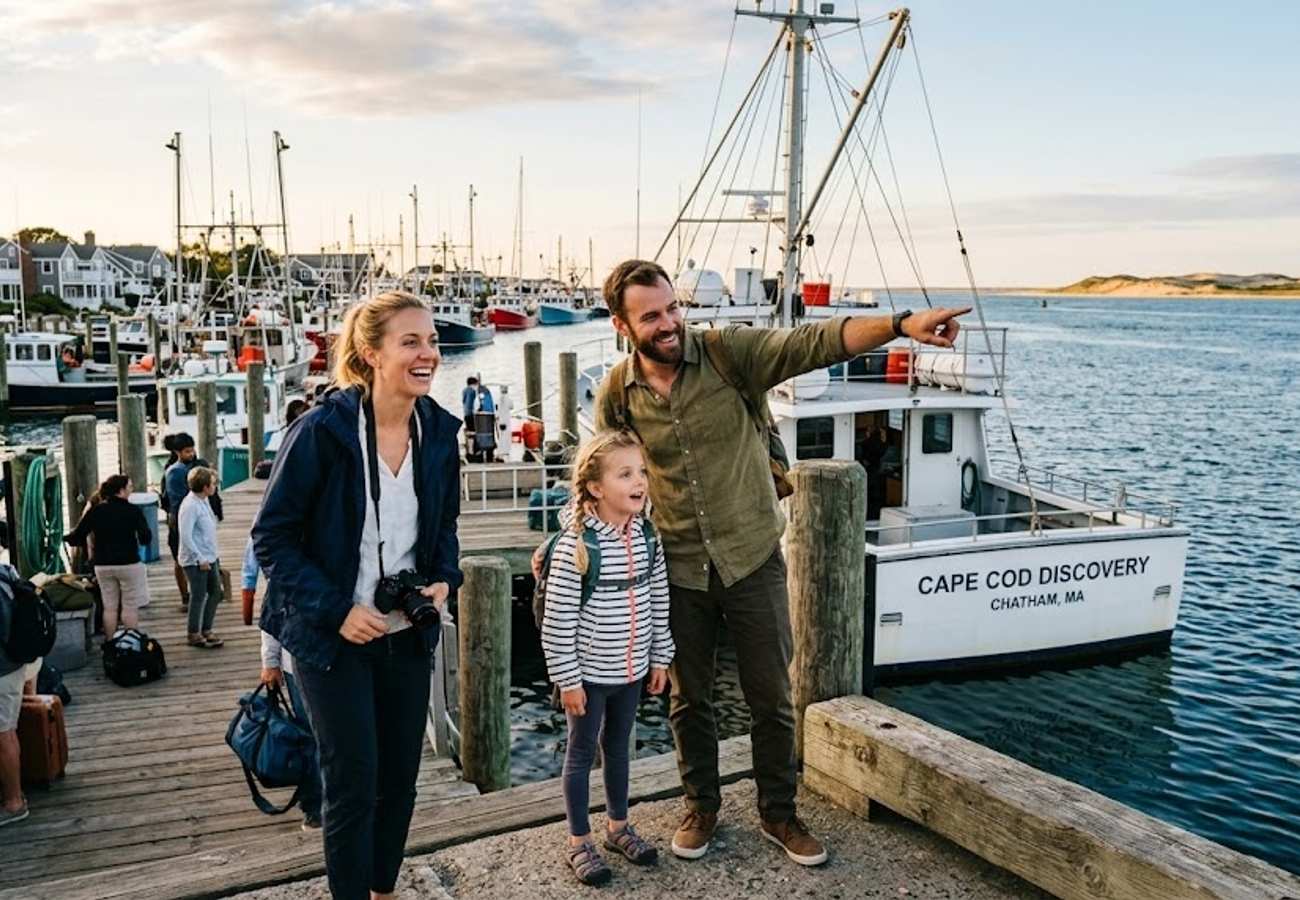
Image generated by AI
[Cape Cod, MA] — The coastal landscape of Cape Cod, Massachusetts, is undergoing a significant transformation as the region evolves from a traditional summer beach destination into a global epicenter for great white shark ecotourism. Record numbers of international and domestic travelers are now visiting the New England peninsula, opting for high-seas wildlife expeditions over standard shoreline vacations.
Historically known for its historic lighthouses and dunes, the region is now seeing a surge in demand for marine naturalist-led tours and spotter-pilot excursions. This shift is converting previous public apprehension regarding apex predators into a sustainable economic engine that supports both local hospitality and critical marine conservation.
Recovery of Apex Predators in Massachusetts Waters
The current abundance of great white sharks along the Massachusetts coast is the result of a long-term ecological recovery. Approximately 50 years ago, the area saw a sharp decline in these predators due to targeted hunting and the collapse of gray seal populations, which serve as the sharks' primary prey.
The trajectory changed following the implementation of the federal Marine Mammal Protection Act of 1972. Under the supervision of the U.S. Fish and Wildlife Service and the National Oceanic and Atmospheric Administration (NOAA) Fisheries, gray seal populations began to stabilize and grow. This recovery provided a consistent food source, drawing great white sharks back to the shallow coastal waters between May and October.
The area now known as "Shark Alley"—which encompasses Wellfleet, Chatham, and Monomoy Island—is currently one of the densest seasonal habitats for white sharks globally. Industry sources indicate that the Atlantic White Shark Conservancy (AWSC), working alongside the Massachusetts Division of Marine Fisheries, has shifted the narrative from public safety risk to scientific opportunity.
Hannah Leary, the ecotourism coordinator for the Atlantic White Shark Conservancy, reports that the majority of visitors now travel to Cape Cod specifically to observe these sharks. Due to this overwhelming demand, the conservancy has increased its operations to three charter excursions per day during the peak summer window.
New Experiences for Cape Cod National Seashore Visitors
The influx of shark-centric tourism has introduced several new high-tech and educational components to the visitor experience at the Cape Cod National Seashore.
Citizen Science Integration Travelers are no longer passive observers. Specialized marine charters now allow passengers to participate in active research. These vessels utilize hydrophones to detect tagged sharks, and visitors help log sighting coordinates and field data for research teams.
Digital Safety Infrastructure To manage the interaction between swimmers and sharks, state authorities and the AWSC developed the Sharktivity mobile application. This tool provides users with real-time push notifications regarding acoustic receiver detections, confirmed sightings, and immediate beach closures.
Shoreline Management Municipal beach managers and National Park Service rangers have implemented a rigorous flag-based warning system. When a shark is identified near the shore, lifeguards enforce temporary swimming bans to ensure the safety of paddlers, surfers, and swimmers.
Land-Based Education For those not venturing into the open ocean, the AWSC Shark Center facilities in Provincetown and Chatham offer interactive exhibits and workshops designed to educate all age groups on marine biology.
Sustainable Tourism Models and Economic Impact
Aviation and marine industry observers note that Cape Cod is setting a benchmark for sustainable wildlife interaction. Rather than using invasive chumming or baiting techniques, private charters departing from Chatham utilize overhead spotter aircraft to locate sharks by identifying silhouettes against the white sandy seabed.
Data from the Massachusetts Division of Marine Fisheries shows that acoustic tagging programs have successfully identified hundreds of individual sharks. This scientific framework ensures that tourism does not disrupt natural behaviors. Furthermore, the revenue generated from these eco-tours directly funds non-profit research, the maintenance of acoustic receivers, and community safety training, such as "Stop the Bleed" emergency workshops.
The National Park Service maintains strict oversight to ensure all commercial vessels adhere to safe distance guidelines, preventing the harassment of marine wildlife.
Essential Planning Details for Marine Excursions
Visitors planning to witness the apex predators of the Atlantic should note that peak demand occurs from early July through mid-October. Due to high volume, charters frequently sell out several weeks in advance.
Cape Cod Shark Tourism Overview
| Category | Details |
|---|---|
| Primary Locations | Chatham, Wellfleet, Monomoy Island (Massachusetts) |
| Peak Season | July through October |
| Key Agencies | AWSC, MA Division of Marine Fisheries, Cape Cod National Seashore |
| Official App | Sharktivity (iOS and Android) |
| Departure Hubs | Ryders Cove, Outermost Harbor Marine (Chatham, MA) |
| Charter Pricing | $500 to $2,650 (depending on vessel and duration) |
National Park Service "Shark Smart" Safety Guidelines
To ensure safety during the 2026 season, officials recommend the following protocols:
- Avoid Seal Haul-outs: Do not swim or surf near dense gray seal colonies or areas with jumping fish.
- Stay Shallow: Recreate in areas where the seabed is reachable and lifeguards are present.
- Group Activity: Always kayak or swim in groups; avoid murky waters during dawn and dusk.
- Follow Flags: Immediately obey purple advisory flags and lifeguard instructions.
Why This Matters: The Shift Toward Regenerative Travel
The evolution of Cape Cod's tourism model represents a broader shift in the travel industry toward "Information Gain" and regenerative tourism. By transforming a perceived threat into a scientific asset, Massachusetts has created a closed-loop system where tourism directly funds the conservation of the species being observed.
This model proves that high-density wildlife tourism can be sustainable if it is decoupled from invasive practices (like chumming) and integrated with real-time technology (like the Sharktivity app). For the broader aviation and travel sector, this highlights a growing consumer preference for "adventure with a purpose," where the traveler acts as a citizen scientist. The success of "Shark Alley" suggests that other coastal regions may adopt similar frameworks to protect endangered species while driving local economic growth.
The intersection of cutting-edge marine science and luxury eco-tourism has turned the Cape Cod shoreline into a living laboratory for the 21st century.
Related Travel Guides
Disclaimer
This article is for informational and educational purposes only. It does not constitute legal, financial, or professional advice. While we strive to provide accurate and up-to-date information, travel policies, regulations, and conditions change rapidly. Always verify information with official sources before making travel decisions. Nomad Lawyer makes no representations about the accuracy, reliability, completeness, or suitability of the information provided. Readers should consult qualified professionals for advice specific to their circumstances. The views expressed in this article are those of the author and do not necessarily reflect the views of Nomad Lawyer.
Kunal K Choudhary
Co-Founder & Contributor
A passionate traveller and tech enthusiast. Kunal contributes to the vision and growth of Nomad Lawyer, bringing fresh perspectives and driving the community forward.
Learn more about our team →