
Goa Monsoon Travel Guide 2026: Top 5 Destinations Including Dudhsagar Falls and Fontainhas
Explore the best of Goa's monsoon season 2026, featuring a detailed breakdown of top destinations from Dudhsagar Falls to Divar Island for rainy season travelers.

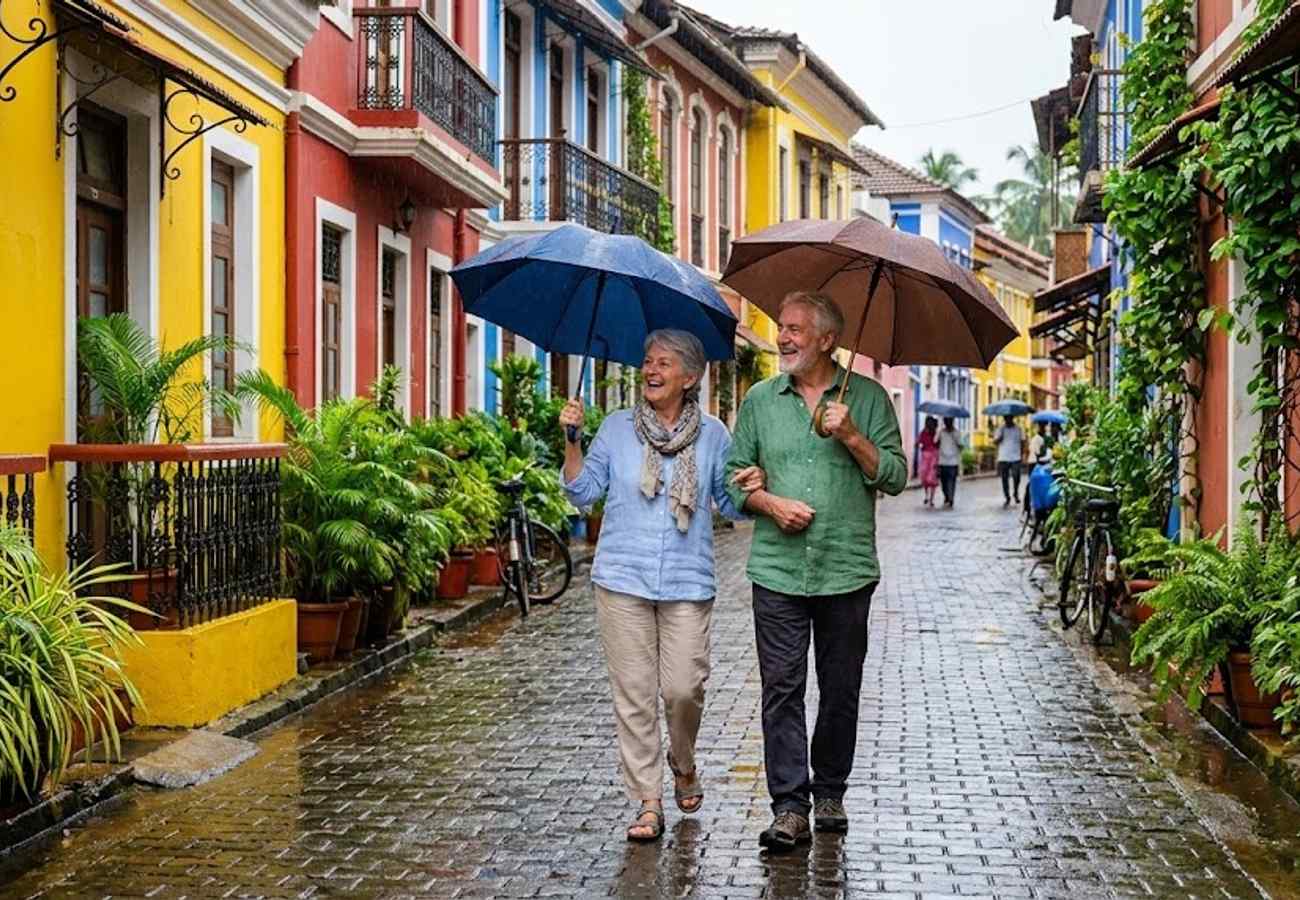
Image generated by AI
Headline Options:
- Factual/News: Goa 2026 Monsoon Travel Report: Five Key Destinations Including Dudhsagar Falls and Cotigao Sanctuary Now Peak Attractions
- Curiosity-Gap (Discover): Forget the Beaches: Why These 5 Hidden Goa Destinations Are the Real Stars of the 2026 Monsoon
- Problem-Solving (Search): How to Visit Goa in the Monsoon: Best Safe Destinations and Travel Tips for 2026
The coastline is not the only draw this season. For 2026, Goa has transitioned into a lush, high-impact monsoon destination where waterfalls and heritage districts outperform traditional beach hubs.
While many international and domestic travelers avoid the region during the rainy months, our analysis indicates that the monsoon provides a critical window for experiencing Goa’s authentic interior. The season transforms the state's geography, filling the Western Ghats' river systems and intensifying the colors of the colonial architecture in Panaji.
Primary Monsoon Destinations and Impact Analysis
The following locations represent the peak of Goa's natural and cultural transformation during the 2026 rainy season:
- Dudhsagar Falls: Located near the Goa–Karnataka border in the Western Ghats, this waterfall drops nearly 310 metres. It is currently one of the tallest waterfalls in India and is characterized by a "milky" appearance due to high-volume water flow.
- Cotigao Wildlife Sanctuary: Spanning approximately 86 square kilometres in Canacona, this sanctuary is a primary hub for biodiversity. It is currently a critical site for birdwatchers tracking hornbills, woodpeckers, and trogons.
- Fontainhas: The Latin Quarter in Panaji. The rain-washed colonial streets provide a high-contrast visual experience, making it a primary destination for architectural photography and cultural heritage.
- Harvalem Falls: A more accessible alternative in North Goa, reaching approximately 50 metres in height. It serves as a central point for day trips combined with the Arvalem Caves and Rudreshwar Temple.
- Divar Island: Accessible via ferry on the Mandovi River, this island represents the rural, tranquil side of Goa, characterized by paddy fields and traditional village architecture.
Passenger Rights & Safety Advisory
For the affected traveler, visiting Goa during the monsoon requires a shift in logistical planning. Our analysis of regional safety protocols and travel guidelines suggests the following:
Transport and Access Rights Heavy rainfall often leads to localized flooding and road closures, particularly in the Western Ghats. If you are using organized tour operators, ensure your contract includes a "Force Majeure" clause or a flexible rebooking policy. Under standard consumer protection guidelines, you should be entitled to a partial refund or a rescheduled itinerary if a designated site (like Dudhsagar Falls) is closed by forest authorities for safety.
Safety Protocols for Nature Treks
- Footwear: High-traction, waterproof footwear is mandatory. Slippery pathways at Harvalem and Dudhsagar increase the risk of injury.
- Wildlife Precautions: In Cotigao, insect protection and rain gear are essential. Be aware that forest departments may impose sudden restrictions on trekking trails during periods of extreme precipitation.
- Water Safety: Avoid entering fast-moving currents. The volume of water at Dudhsagar during the peak monsoon can be volatile.
Industry Analyst View
The shift toward "Monsoon Tourism" in Goa reflects a broader trend in the Indian travel market: the diversification of seasonal offerings. By promoting the Western Ghats and heritage districts, Goa is successfully reducing its dependence on the winter sun-and-sand model.
Flight tracking and tourism data suggest that while beach occupancy drops, boutique stays in the interior and heritage homes in Panaji see a surge in "slow travel" enthusiasts. This transition is beneficial for the local economy, distributing tourist spend across a wider geographical area and reducing the environmental strain on coastal hubs.
Goa's interior is no longer a secondary option; it is the primary event for the 2026 rainy season.
Related Travel Guides
Disclaimer
This article is for informational and educational purposes only. It does not constitute legal, financial, or professional advice. While we strive to provide accurate and up-to-date information, travel policies, regulations, and conditions change rapidly. Always verify information with official sources before making travel decisions. Nomad Lawyer makes no representations about the accuracy, reliability, completeness, or suitability of the information provided. Readers should consult qualified professionals for advice specific to their circumstances. The views expressed in this article are those of the author and do not necessarily reflect the views of Nomad Lawyer.
Kunal K Choudhary
Co-Founder & Contributor
A passionate traveller and tech enthusiast. Kunal contributes to the vision and growth of Nomad Lawyer, bringing fresh perspectives and driving the community forward.
Learn more about our team →