
Lush Landscapes and Hidden Gems Fuel Monsoon Tourism in Goa, Highlighting Five Must-Visit Nature and Heritage Destinations: New Travel Alert
Discover how rainy season adventures are driving monsoon tourism in Goa, showcasing Dudhsagar Falls, Cotigao sanctuary, and heritage streets.

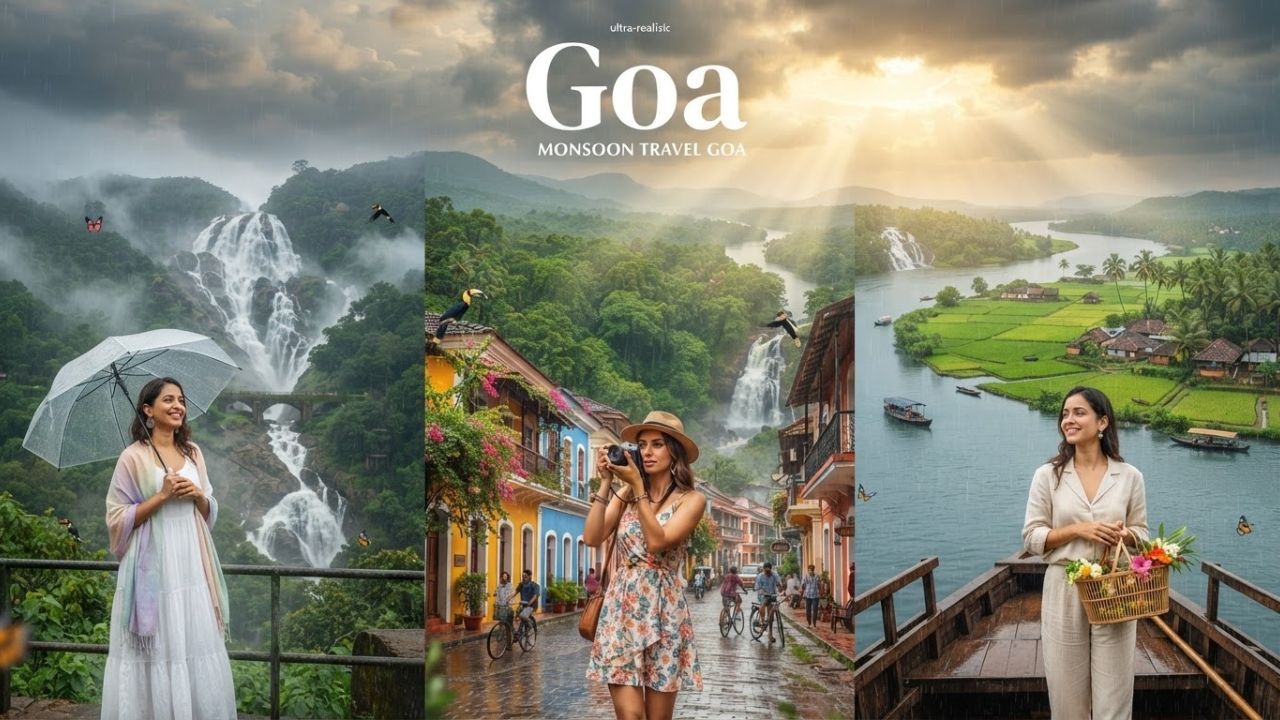
Image generated by AI
Published on July 26, 2026
A dramatic natural and cultural transformation is fueling a surge in monsoon tourism in Goa, as travelers increasingly look beyond the state's famous sandy beaches to explore its lush interior. The arrival of the rainy season revitalizes hidden waterfalls, fills winding rivers, freshens dense forests, and adds a nostalgic charm to historic neighborhoods. Travelers planning an off-season journey can discover five remarkable inland destinations that showcase Goa's wild, green scenery, rich colonial architecture, and quiet village life.
Quick Summary
- Breathtaking Cascades: Powerful waterfalls like Dudhsagar Falls and Harvalem Falls reach their peak flows, creating dramatic natural spectacles.
- Lush Forest Reserves: Protected sanctuaries like Cotigao Wildlife Sanctuary cover the region in vibrant tropical vegetation and seasonal streams.
- Rain-Washed History: The historic Fontainhas district in Panaji comes alive with rain-washed heritage lanes and brightly colored colonial buildings.
- Mandovi River Escape: Divar Island offers a peaceful riverside getaway, providing a slower, more authentic rural lifestyle during the rains.
- Logistical Preparedness Needed: Heavy rain can block forest trails and make walking pathways slippery, requiring travelers to follow safety warnings.
Context and Background: Rebounding Travel and the Growth of Monsoon Tourism in Goa
While many tourists traditionally avoid the coastal state during the wet summer months, the rainy season actually reveals some of the region's most spectacular and untouched landscapes. In recent years, regional travel boards have focused on promoting green vacations to balance visitor distribution throughout the year. Supported by the Goa Tourism Development Corporation (GTDC) to promote eco-tourism routes, this seasonal shift helps travelers connect directly with the state's historic traditions and rich ecosystems.
This local initiative matches standards set by United Nations Tourism (UN Tourism) for promoting green regional hubs and reducing seasonal overtourism. By showcasing activities outside the main beach strips, Goa successfully positions itself as a year-round travel destination, appealing to birdwatchers, photographers, and heritage explorers who value slow, immersive travel.
Event and Incident Details: Five Core Attractions Supporting Monsoon Tourism in Goa
The monsoon transformation highlights five distinct sites across North and South Goa, each offering a unique look at the state's natural and historical character.
Goa Monsoon Destination and Infrastructure Matrix:
| Destination Name | Type / Feature | Key Location & Specs | Main Monsoon Attractions & Tips |
|---|---|---|---|
| Dudhsagar Falls | Tallest forest waterfall | Goa–Karnataka border; ~310m high | Milky stream cascades, railway bridge backdrop; check for high-water safety bans |
| Harvalem Falls | Accessible rocky waterfall | North Goa; ~50m high | Impressive monsoon flow; easily paired with Arvalem Caves and Rudreshwar Temple |
| Cotigao Wildlife Sanctuary | Protected tropical forest | Canacona, South Goa; ~86 sq. km | Elevated forest watchtower, birdwatching (hornbills, woodpeckers, trogons) |
| Fontainhas Quarter | Historic Portuguese district | Panaji, central Goa | Colonial-era architecture, local cafés, traditional Goan snacks |
| Divar Island | Quiet river island | Mandovi River near Panaji | Scenic ferry transit, green paddy fields, historic churches |
For tourists, visiting these spots provides a balanced experience, combining the dramatic water flows of Dudhsagar and Harvalem with the peaceful rainforest trails of Cotigao, the historic lanes of Fontainhas, and the rural fields of Divar Island.
Risk and Impact: Slippery Trails, Flash Currents, and Forest Closures
While exploring Goa's green landscapes during the rains is highly rewarding, travelers must prepare for specific seasonal risks and potential disruptions:
- Slippery Walking Conditions: Wet clay soils and mossy stone steps near waterfalls and historic quarters can become extremely slippery, leading to fall risks.
- Sudden Water Current Surges: Heavy rainfall in the Western Ghats can cause river levels and waterfall flows to rise rapidly, making swimming highly dangerous.
- Temporary Forest Route Closures: The forestry department frequently restricts access to trails inside Dudhsagar and Cotigao during periods of intense rainfall.
- Insect and Pest Activity: Rainy forest floors are active with insects, mosquitoes, and leeches, requiring proper physical protection.
- Ferry Transit Interruptions: Strong Mandovi River currents and wind gusts can occasionally delay or halt public ferry services to Divar Island.
What Authorities and Safety Boards Are Saying
State safety boards and forestry officials advise visitors to remain cautious and strictly follow local safety guidelines. The local administration recommends that tourists wear proper non-slip footwear, carry water protection, and maintain a safe distance from fast-moving streams and pools. Authorities emphasize that entering restricted zones at Dudhsagar or Harvalem Falls is illegal and will lead to strict penalties. Checking weather warnings before heading into the hills is essential to ensure a safe trip.
Practical Traveler Advice: Planning Your Monsoon Trip
To ensure a safe, comfortable, and memorable trip through Goa's rainy landscapes, travel guides suggest taking the following actions:
- Monitor Local Weather Bulletins: Check regional meteorological department reports before scheduling trips to remote waterfalls or forests.
- Pack Essential Outdoor Gear: Carry a high-quality raincoat or poncho, waterproof covers for electronic equipment, and insect repellent.
- Explore on Foot Responsibly: Take a walking tour through Fontainhas, allowing you to appreciate the colorful houses and stop at local cafés for Goan snacks.
- Utilize Public Ferry Systems: Take the public ferry to Divar Island to experience a slower pace of life, green paddy fields, and historic churches.
- Coordinate Day Trips Around North Goa: Pair a visit to Harvalem Falls with stops at the nearby Arvalem Caves, Rudreshwar Temple, and Mayem Lake.
Broader Context: Beyond the Beaches of Western India
The growth of monsoon tourism in Goa highlights a broader trend where travelers seek out authentic, nature-focused experiences rather than standard beach holidays. By moving away from the coastal resorts, visitors find a richer cultural identity shaped by generations of history and local heritage. This shift supports inland communities, providing economic benefits to small businesses, local guides, and regional restaurants during what was traditionally considered the off-season.
Looking Ahead: Digital Safety Alerts and Eco-Tourism Upgrades
Looking forward, regional planners are working to improve safety signs, introduce digital weather alert systems at key waterfall trailheads, and upgrade walking pathways. Tourism boards plan to continue marketing the state's cultural and natural heritage, ensuring that local ecosystems remain protected while welcoming travelers from around the world. These developments will help secure Goa's position as a leading destination for sustainable, year-round travel in India.
Conclusion: A Greener Side of India Awaits
Ultimately, Goa's monsoon season offers a refreshing, green escape, showing a quieter and more peaceful side of the state. By making responsible travel choices, staying prepared, and respecting safety guidelines, visitors can enjoy a memorable holiday. Planning your itinerary carefully will guarantee an unforgettable journey through Goa's rainy paradise.
FAQ: Travel Tips for Goa's Monsoon Season
What makes Dudhsagar Falls a top monsoon attraction?
Dudhsagar Falls, standing at 310 meters, is one of India's tallest waterfalls. During the monsoon, the milky stream cascades powerfully down the mountain slopes, surrounded by lush green forests and a historic railway bridge.
How do I travel to Divar Island and what can I do there?
Divar Island is located on the Mandovi River near Panaji. You can access the island via a short public ferry ride. Once there, you can explore traditional villages, green paddy fields, old churches, and historic homes at a relaxed pace.
What are the main safety concerns when visiting waterfalls in Goa?
The primary safety concerns include slippery walking paths, sudden rises in water currents due to heavy rainfall, and temporary trail closures by the forest department. Visitors must avoid restricted zones and stay away from fast-flowing pools.
What bird species can be found in Cotigao Wildlife Sanctuary?
Cotigao Wildlife Sanctuary protects a rich forest ecosystem in Canacona. Birdwatchers can encounter species native to the Western Ghats, including hornbills, woodpeckers, trogons, and other forest birds.
Related Travel Guides
- California Coastal Treasure Struggles with Overcrowding, Forcing Leaders to Balance Overtourism and Economic Vitality in Carmel-by-the-Sea: New Travel Alert
- Record-Breaking Skyscraper Project Soars 484 Meters, Introducing Latin America’s Tallest Skyscraper as a Futuristic Lifestyle Landmark: New Travel Alert
- Vietnam Introduces New E-Visa System Upgrades to Simplify Entry Procedures and Boost International Tourist Arrivals: New Travel Alert
Suggested SEO Metadata & Assets
- Meta Title: Monsoon Tourism in Goa: Five Best Destinations
- Meta Description: Explore Goa during the rainy season. Discover Dudhsagar Falls, Cotigao sanctuary, Fontainhas heritage streets, and essential safety tips.
- URL Slug: goa-monsoon-tourism-nature-destinations-2026
- Tags:
Destination News,goa,India,Travel News,Travel Alert - Featured Image Alt Text: A stunning, lush green travel photograph of Dudhsagar Falls in Goa during the monsoon, with mist and a train crossing the railway bridge in front of the gushing waterfall, representing monsoon tourism.
Disclaimer
This article is for informational and educational purposes only. It does not constitute legal, financial, or professional advice. While we strive to provide accurate and up-to-date information, travel policies, regulations, and conditions change rapidly. Always verify information with official sources before making travel decisions. Nomad Lawyer makes no representations about the accuracy, reliability, completeness, or suitability of the information provided. Readers should consult qualified professionals for advice specific to their circumstances. The views expressed in this article are those of the author and do not necessarily reflect the views of Nomad Lawyer.
Kunal K Choudhary
Co-Founder & Contributor
A passionate traveller and tech enthusiast. Kunal contributes to the vision and growth of Nomad Lawyer, bringing fresh perspectives and driving the community forward.
Learn more about our team →