
Global Anti-Tourist Movement 2026: Slow Tourism and the Rise of Secondary Cities
A global anti-tourist movement is restructuring travel in 2026, as Barcelona, Venice, and Kyoto implement visitor caps, shifting demand toward secondary cities like Valencia and Utrecht.

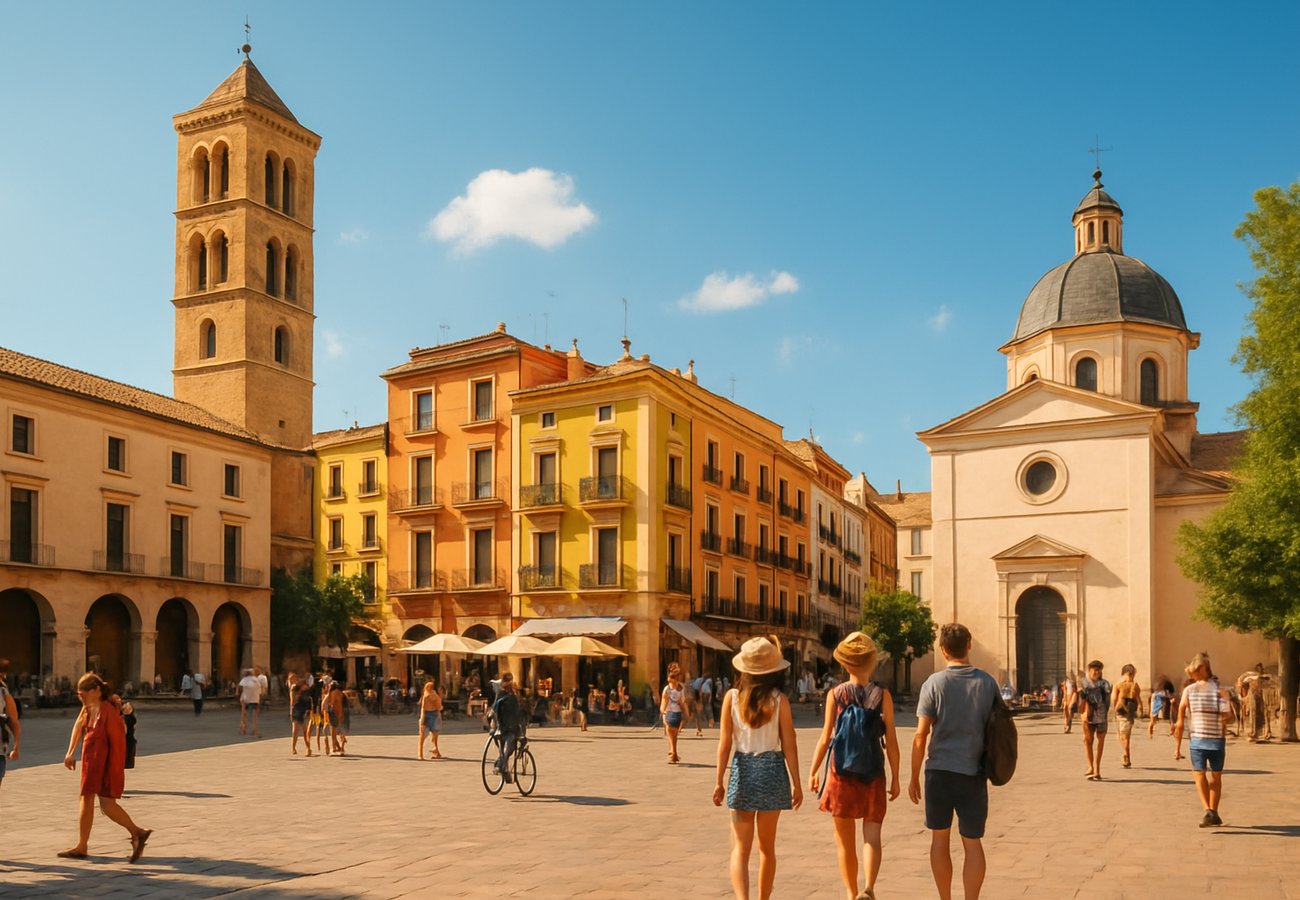
Image generated by AI
Quick Summary
- Regulatory Pushback: Major hubs including Barcelona, Lisbon, Venice, and Amsterdam have implemented record-high tourist taxes, visitor caps, and short-term rental bans in 2026.
- Alternative Migration: Travellers are increasingly bypassing famous capitals in favor of "Secondary Cities" such as Valencia, Utrecht, and Lyon, which offer lower density and authentic local interaction.
- Slow Travel Shift: Industry data shows that 82% of Gen Z and Millennial travellers now build unstructured "buffer days" into their itineraries, prioritizing skill-based experiences over landmark-heavy tours.
- Decision-Detox: A new luxury trend has emerged where travellers outsource entire planning phases to "experience architects" to avoid digital choice fatigue.
The global tourism landscape is undergoing a structural realignment in 2026 as the "anti-tourist" sentiment evolves from grassroots protests into government-level policy. High-volume destinations across Spain, Italy, and Japan are no longer competing for visitor numbers but are instead prioritizing "high-value, low-impact" arrivals. This shift is fueling the explosive growth of slow tourism, where the goal is participation rather than observation. As iconic landmarks like the Sagrada Família and the canals of Venice implement reservation-only access and entry fees, travellers are pivoting toward quieter, community-centered destinations that offer meaningful cultural immersion without the friction of mass-market crowds.
Global Overtourism Response 2026: Major Hubs vs. Secondary Alternatives
The "30-Minute Rule" is defining 2026 travel strategies, with visitors staying in smaller cities located just outside major capitals.
| Major Hub (High Pressure) | Secondary Alternative (Growth Zone) | Primary Policy Measure | Trending Experience |
|---|---|---|---|
| Barcelona | Valencia | Short-term rental bans | Culinary & Coastal Slow Travel |
| Amsterdam | Utrecht | Behavioral & Cruise limits | Split-level Canal Kayaking |
| Paris | Lyon | Luxury visitor management | Gastronomy & Silk Weaving |
| Venice | Bologna / Padua | Entry Fees & Monitoring | Regional Train-based Food Tours |
| Kyoto | Kanazawa / Nara | Temple zone restrictions | Traditional Craft Workshops |
| Dubrovnik | Split / Zadar | Cruise arrival scheduling | Coastal Heritage Immersion |
| Bali | Lombok / Flores | Water & Traffic monitoring | Wellness & Digital Nomad Stays |
The Pushback: Protests and Policy Shifts in Barcelona and Venice
The anti-tourist movement has moved beyond rhetoric into strict legal frameworks:
- Barcelona: Has intensified hotel compliance checks and restricted new tourist apartment licenses to stabilize local housing costs.
- Venice: Operates a sophisticated digital entry management system to monitor day-tripper density and preserve residential integrity.
- Lisbon: Is reviewing tax structures for digital nomads and implementing stricter port scheduling for massive cruise vessels.
Secondary Cities: The Rise of Valencia, Utrecht, and Lyon
Secondary cities are the primary beneficiaries of the 2026 travel reset:
- Valencia: Emerging as the quieter alternative to Barcelona, focusing on neighborhood-centric hospitality and sustainable beachfronts.
- Utrecht: Offers the canal-side charm of Amsterdam but with a residential atmosphere and lower accommodation costs.
- Lyon: Attracting travelers seeking authentic French culinary culture and historic silk-weaving districts away from the Paris rush.
Slow and Skill-Based Tourism: Participation Over Observation
Travellers are increasingly trading "viral checklists" for personal growth:
- Skill Acquisition: High demand for perfume-making in France, ceramic art in Portugal, and pasta-making retreats in Italy.
- Neighborhood Cafés: A preference for Riverside bookstores and local workshops over major monuments.
- Extended Stays: The average trip duration has increased as visitors prioritize deeper engagement with a single community.
Decision-Detox: The New Luxury Trend in Trip Planning
As digital choice fatigue peaks in 2026, a new category of "surprise travel" has taken hold:
- Experience Architects: Travelers are outsourcing planning to experts who reveal hidden destinations only days before departure.
- Minimal Tech: A growing preference for "minimal app usage" during vacations to ensure a total mental reset.
- Unscheduled Days: 76% of younger travelers now prioritize unstructured days for "decision-free" wandering.
Technology and Logistics: Biometrics and Rail-Based Slow Travel
The 2026 travel infrastructure is adapting to the slow-tourism shift:
- EU Biometrics: Automated pre-check systems are reducing airport friction, favoring travelers who use digital identity validation.
- Rail Connectivity: A massive surge in regional train journeys across Europe and Japan, as tourists choose rail passes over short-haul flights.
- Shoulder Season Growth: May, June, and September have officially surpassed July and August as the preferred months for high-value travelers seeking crowd-free experiences.
FAQ: Global Anti-Tourist Movement 2026
Which cities have the strictest tourism rules in 2026? Barcelona, Venice, Amsterdam, and Kyoto have the most comprehensive visitor management systems, including taxes and reservation-based access.
What is "Secondary City" travel? It involves visiting smaller, high-character cities (like Utrecht or Bologna) instead of famous capitals to avoid crowds and reduce travel costs.
Is travel getting more expensive due to these movements? While tourist taxes are rising in major hubs, secondary cities often offer better value, making the "slow travel" model economically viable for many.
Related Travel Guides
Disclaimer
This article is for informational and educational purposes only. It does not constitute legal, financial, or professional advice. While we strive to provide accurate and up-to-date information, travel policies, regulations, and conditions change rapidly. Always verify information with official sources before making travel decisions. Nomad Lawyer makes no representations about the accuracy, reliability, completeness, or suitability of the information provided. Readers should consult qualified professionals for advice specific to their circumstances. The views expressed in this article are those of the author and do not necessarily reflect the views of Nomad Lawyer.
Kunal K Choudhary
Co-Founder & Contributor
A passionate traveller and tech enthusiast. Kunal contributes to the vision and growth of Nomad Lawyer, bringing fresh perspectives and driving the community forward.
Learn more about our team →